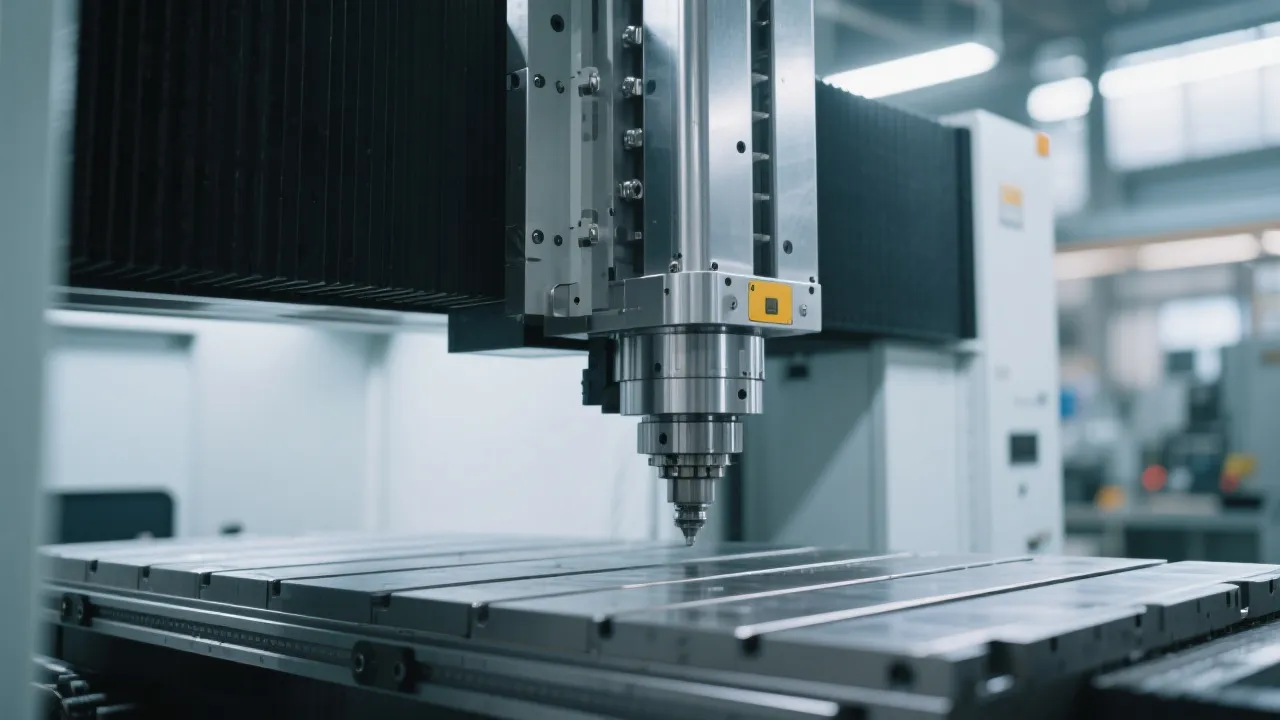
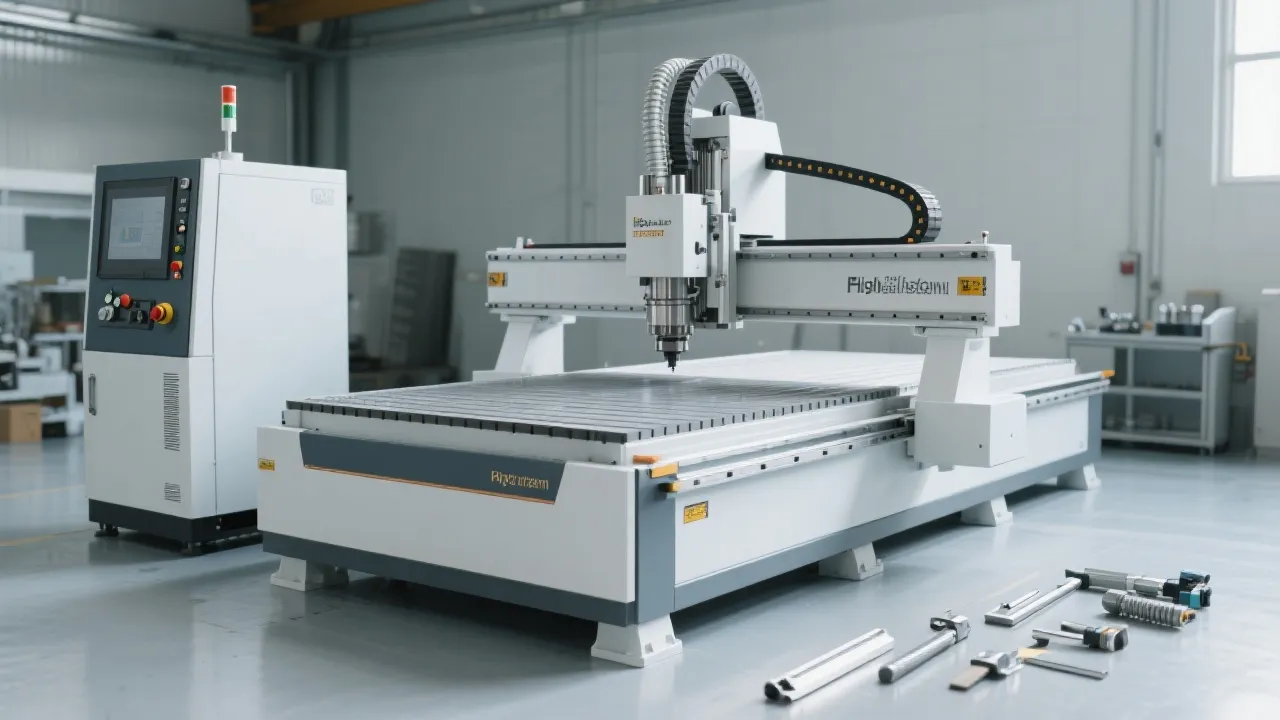
Ningbo Kaibo CNC Machinery brings decades of expertise to CNC engraving router technology, vital for advanced manufacturing sectors including mold making, tooling, and precision parts production. This guide provides a detailed overview of how to effectively match materials, workpieces, and machining capabilities with CNC engraving routers to achieve superior processing quality and efficiency.
Selecting the right material is fundamental to CNC engraving router success. Different materials—ranging from metals like aluminum and brass to plastics and composites—require tailored tooling and spindle speed configurations.
CNC engraving routers are widely applied across various sectors, particularly:
Optimal CNC engraving router performance depends on aligning machine specifications with the demands of the intended manufacturing task. Key factors include:
| Capability Aspect | Manufacturing Requirement | Matching Criteria |
|---|---|---|
| Spindle Speed and Power | Material hardness and cutting depth | Higher power and adjustable speeds for metals; moderate for plastics |
| Axis Configuration (3/4/5-axis) | Complex shape machining and multi-angle access | Use 5-axis for complex contours; 3/4-axis for simpler geometries |
| Tooling Options | Precision finish and repeatability | Customization and high-quality tool holders enhance accuracy |
With 26 sales and service offices worldwide, Ningbo Kaibo CNC Machinery ensures comprehensive pre-sale consultation and post-sale support to optimize machine uptime and maintain consistent product quality. Their commitment to innovation and quality empowers manufacturers to confidently adopt CNC engraving routers tailored for their specialized needs.
"Matching material, tooling, and machine capabilities is essential to exploit the full potential of CNC engraving routers and achieve precision in mold and complex surface machining."