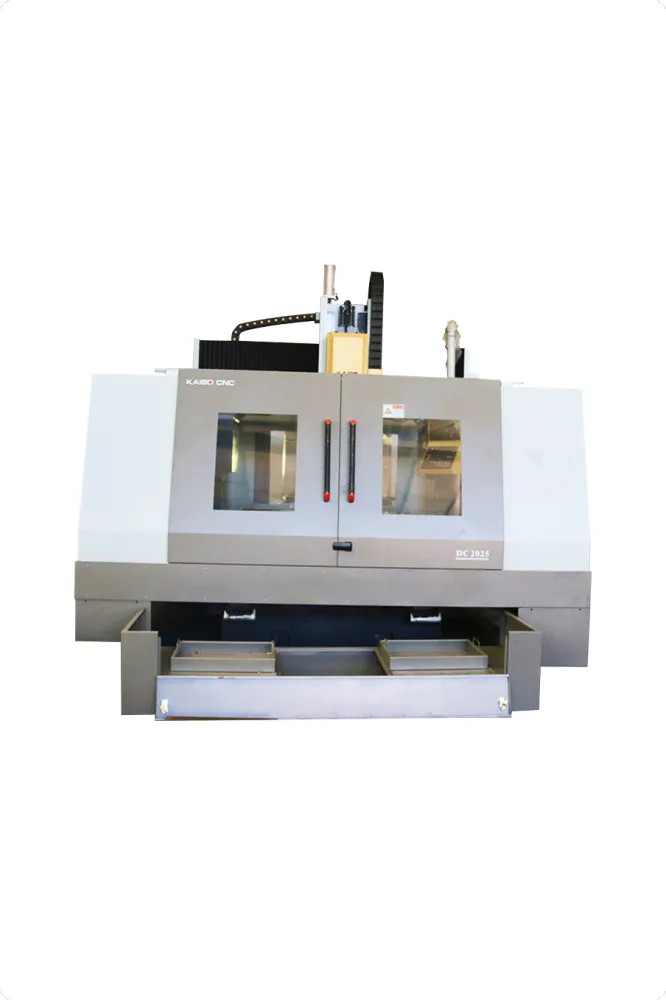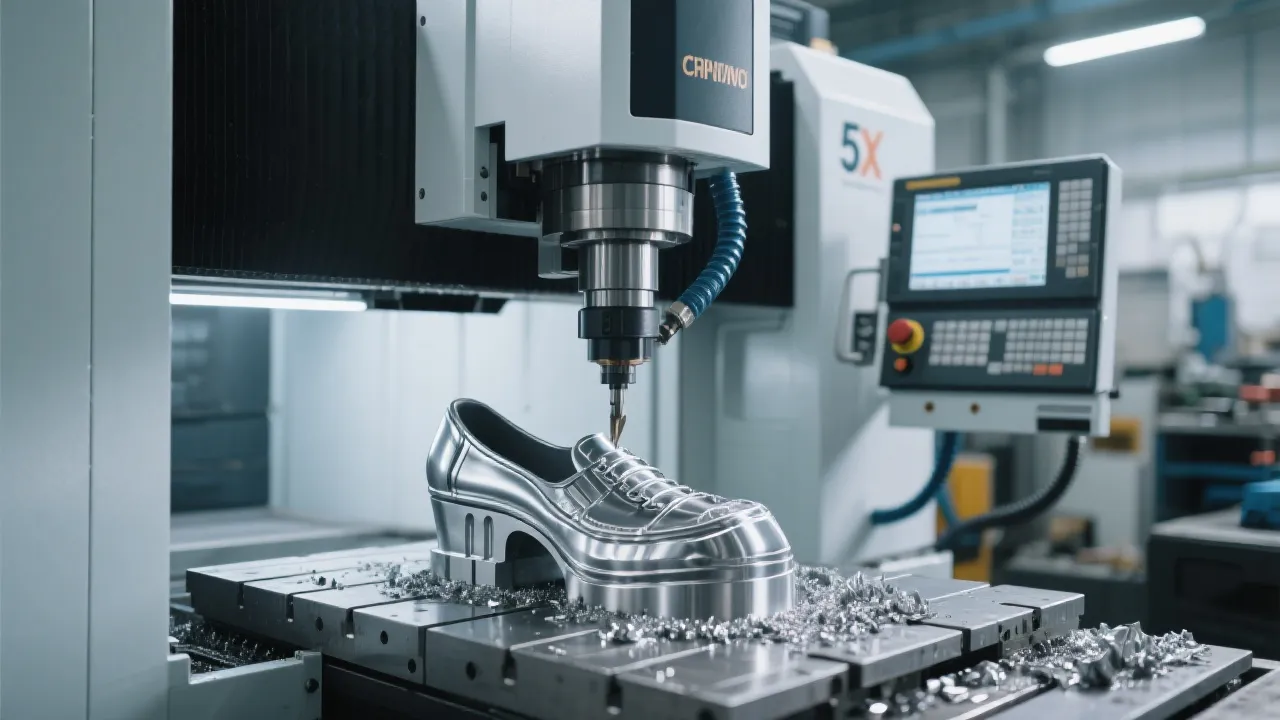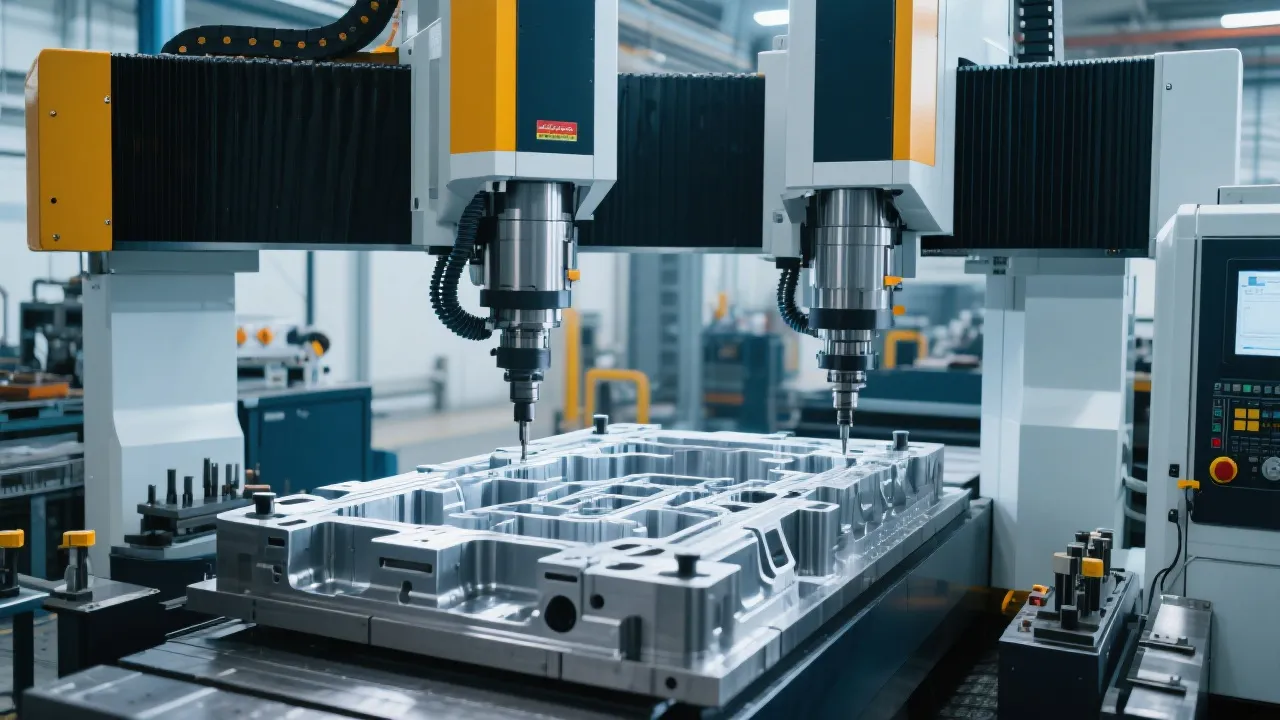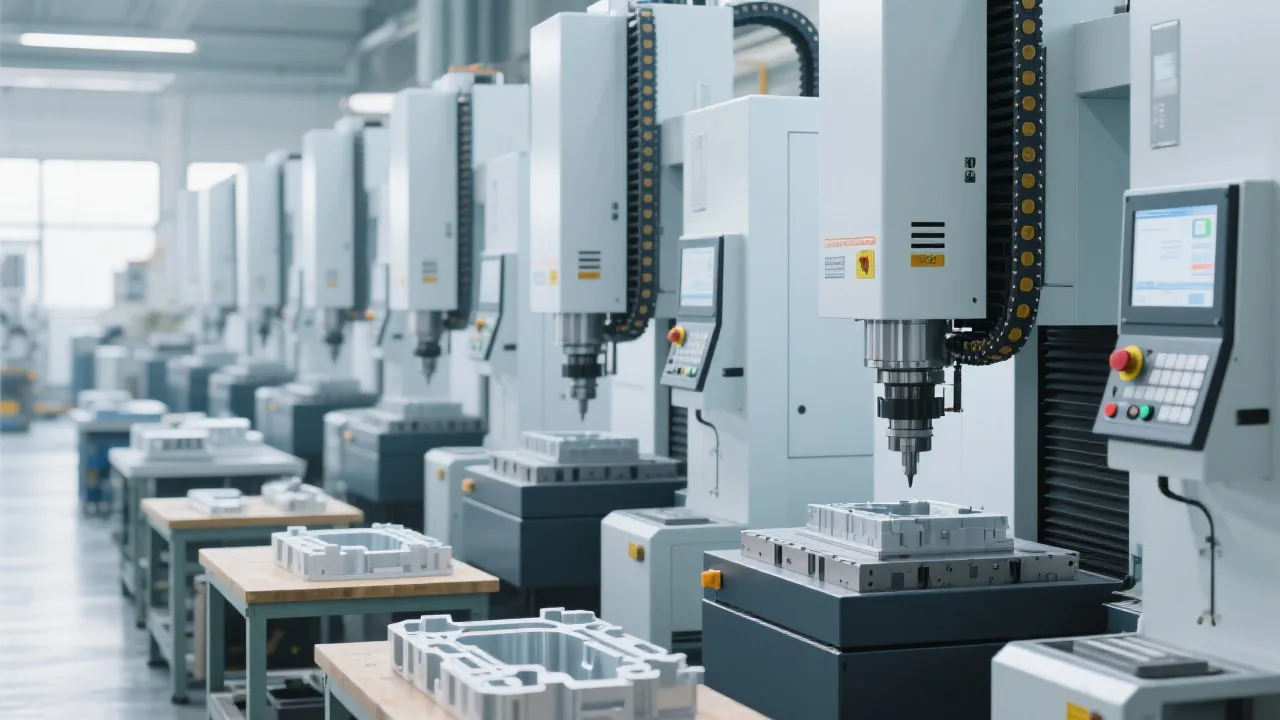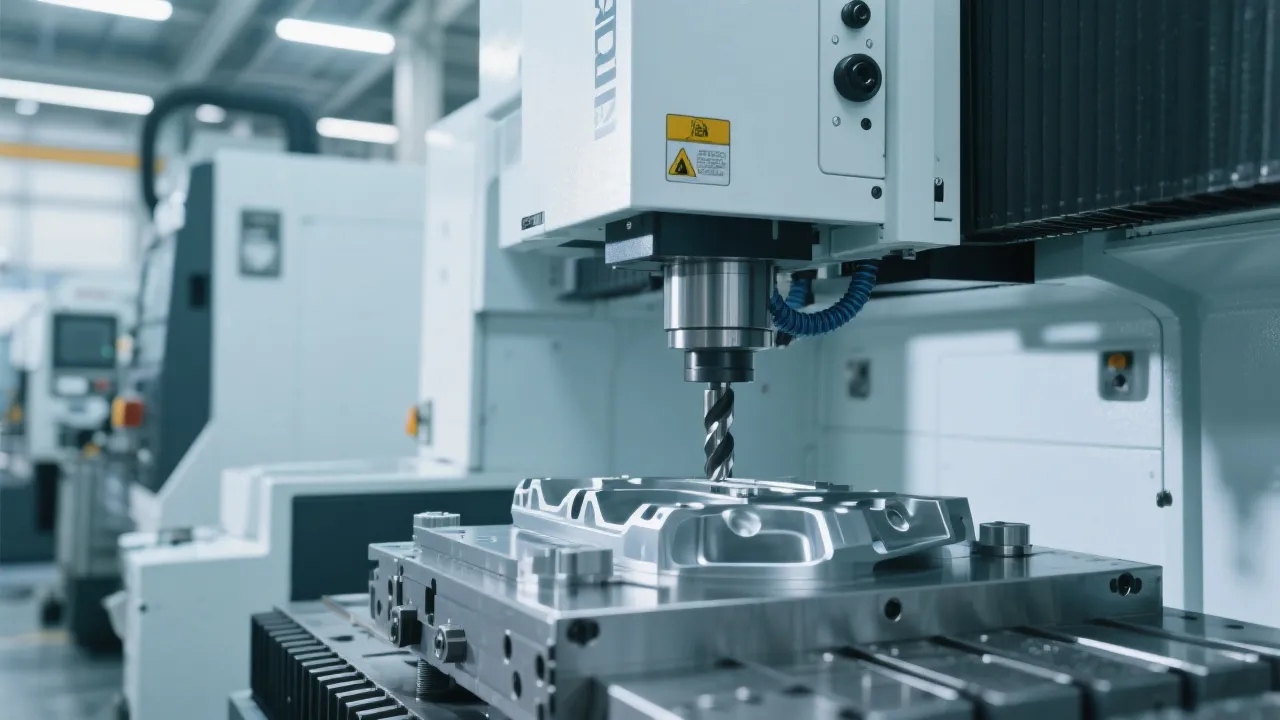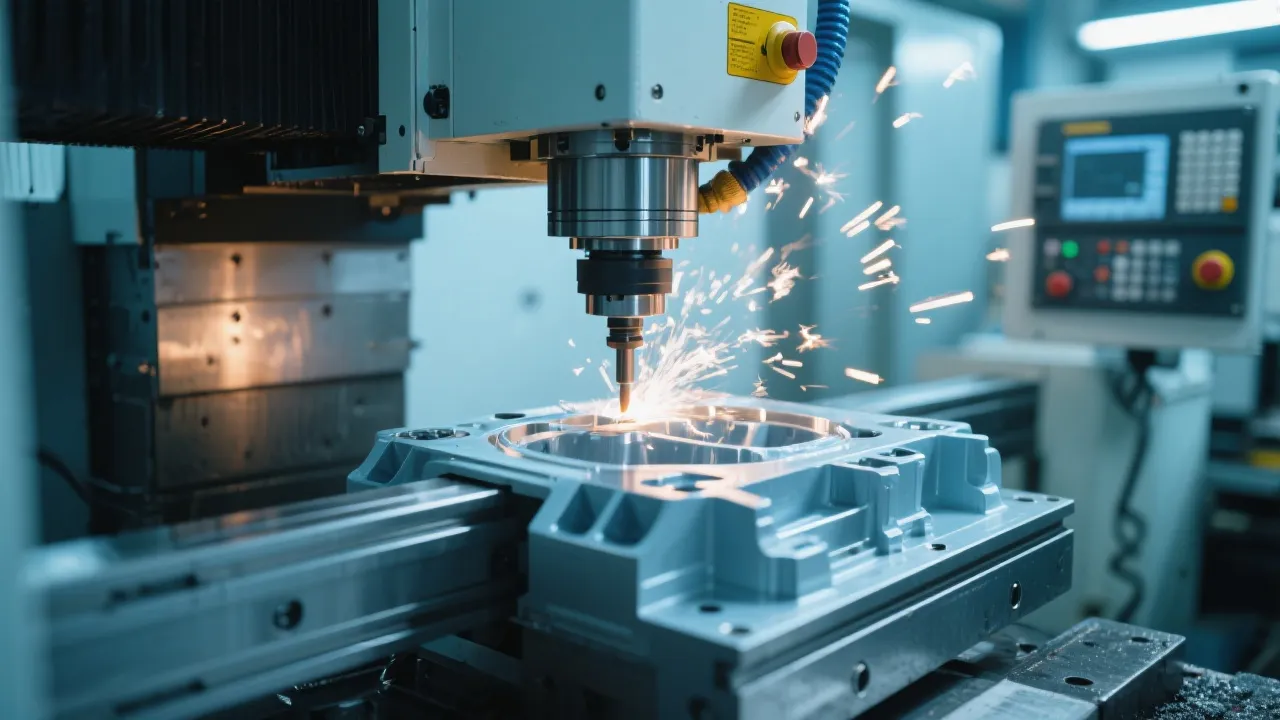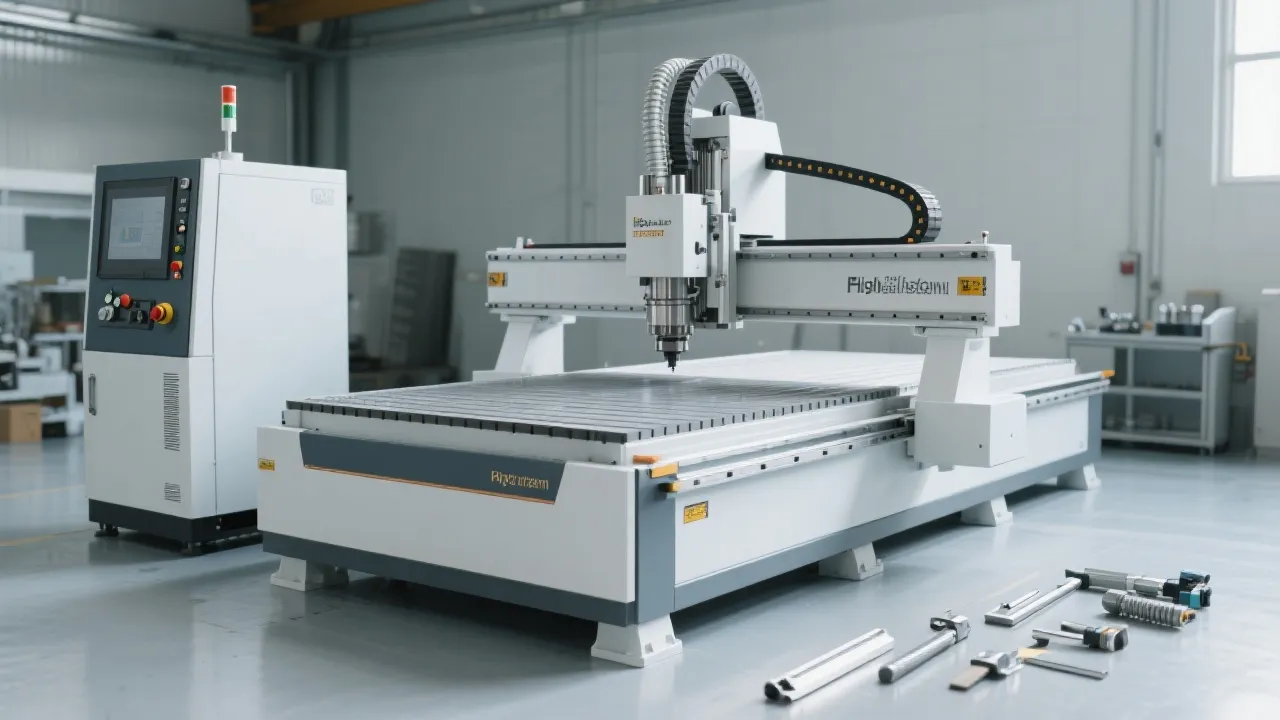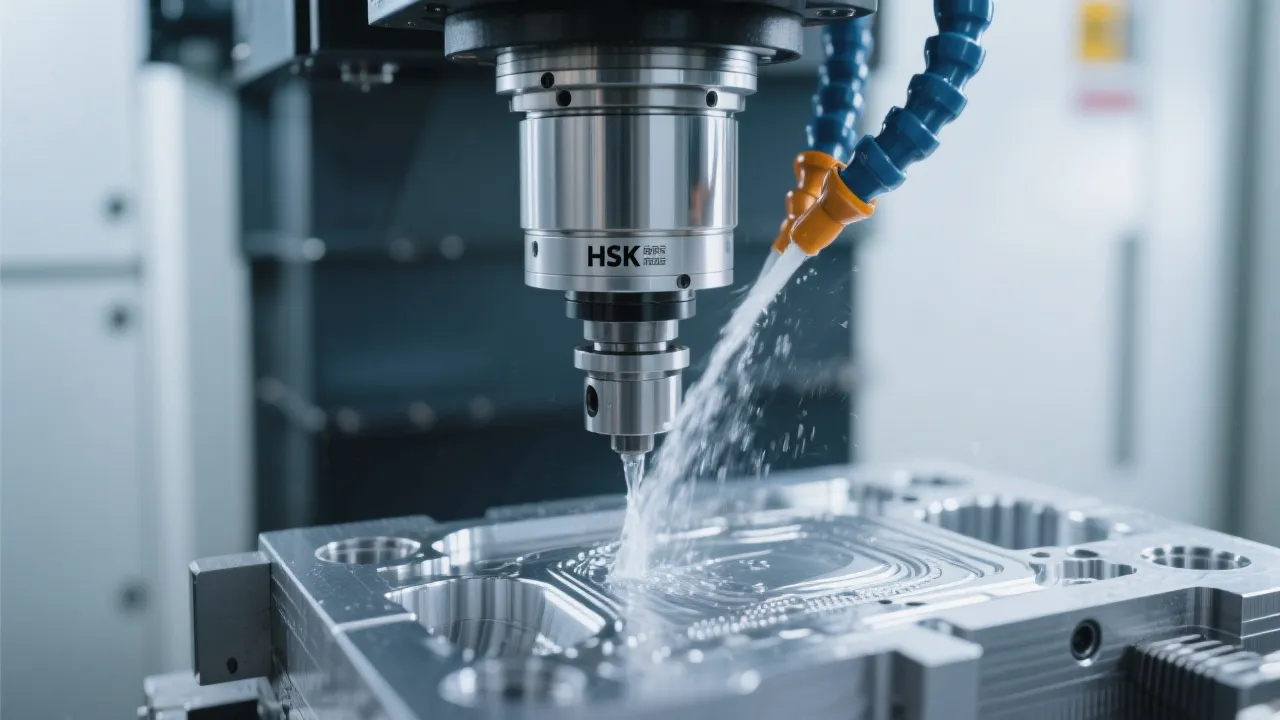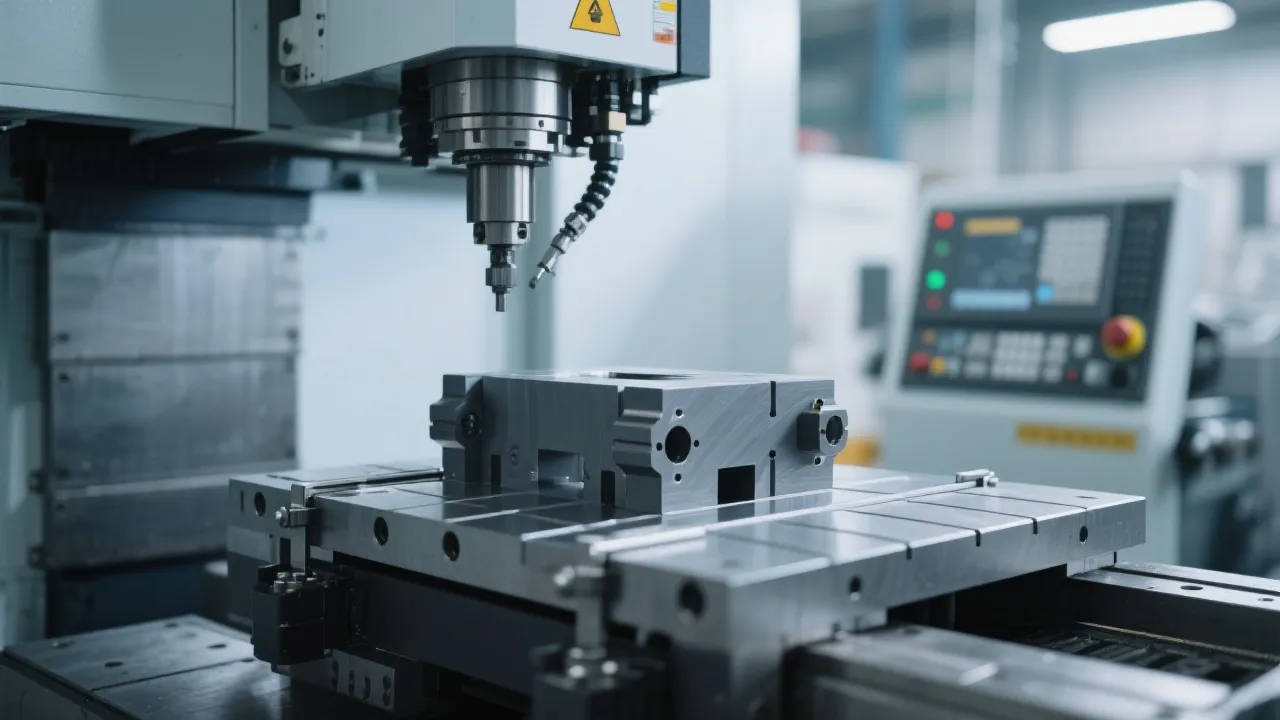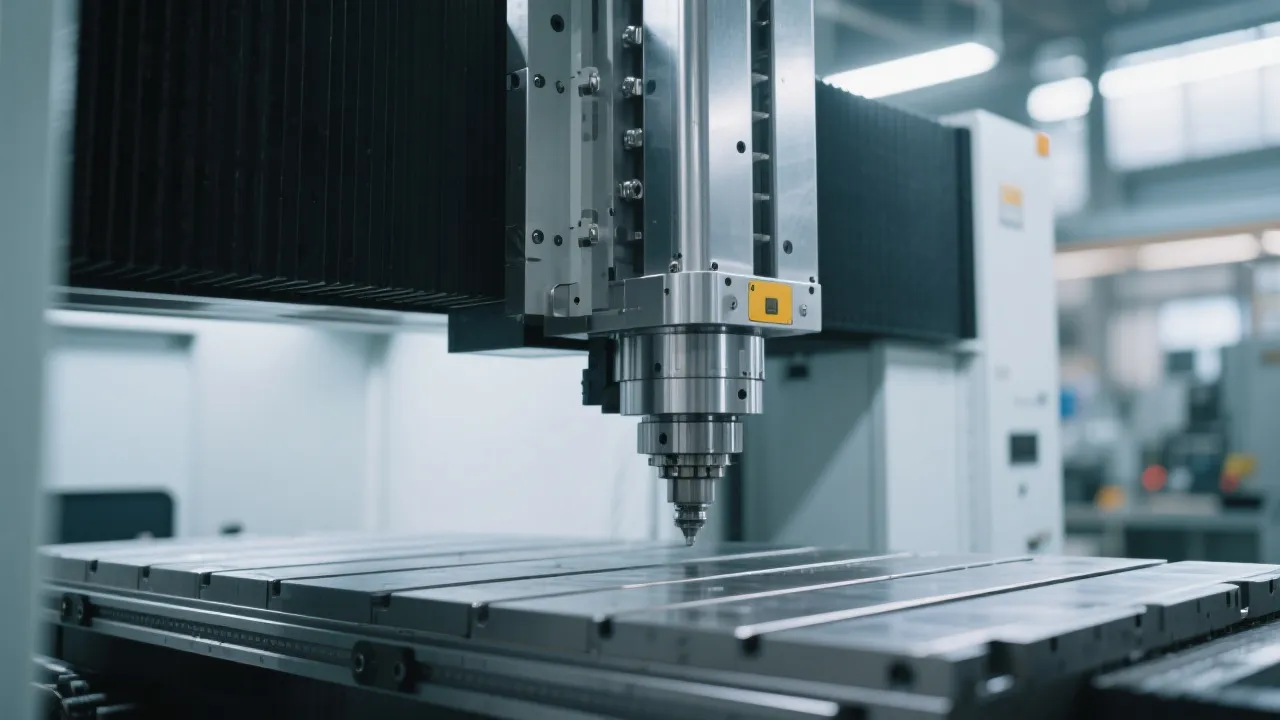
CNC milling of graphite materials demands specialized approaches due to graphite's unique physical properties—its brittleness, anisotropy, and thermal conductivity distinctly affect machining accuracy and stability. This guide from Kaibo CNC systematically unpacks the entire graphite milling workflow, emphasizing key cutting parameter adjustments, tool selection strategies, and innovative cooling & lubrication techniques designed to mitigate common defects such as warping and fracture.
Graphite's layered crystal structure and softness require minimizing mechanical shocks during milling. Its high thermal conductivity, while beneficial for heat dispersion, can lead to dimensional instability if cooling is improperly managed. Precision milling must account for these factors to maintain tight tolerances often within ±0.01 mm essential for high-end applications in aerospace, electronics, and energy industries.
Effective CNC milling necessitates fine-tuning spindle speeds, feed rates, and depth of cut to reduce tool wear and avoid cracking. Research and in-field data suggest spindle speeds in the range of 3000-6000 RPM combined with feed rates of 100-300 mm/min yield optimal surface finish without compromising structural integrity. Depth of cut is preferably kept shallow (0.1-0.3 mm) to prevent sudden material failure.
Data Insight: Kaibo CNC's process trials demonstrated a 15% increase in flatness stability by adjusting feed rates within the specified range, directly correlating to improved export product acceptance rates.
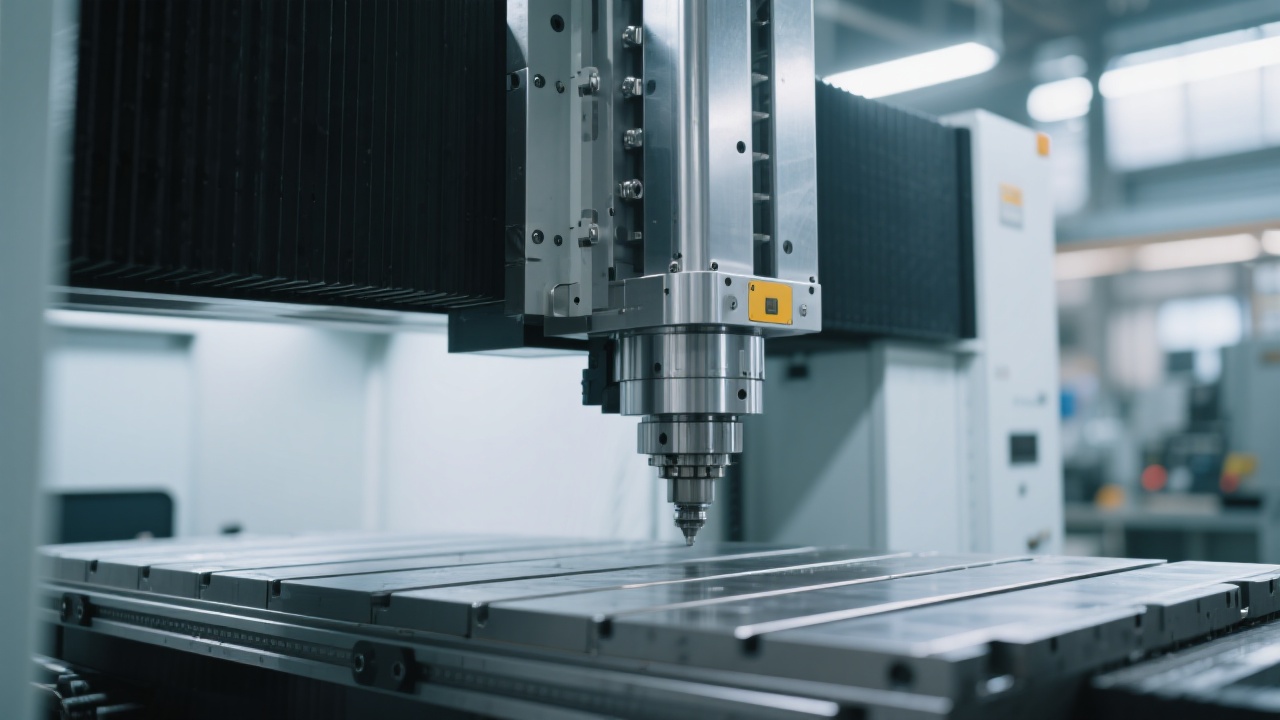
Selecting carbide or polycrystalline diamond (PCD) coated milling tools enhances cutting efficiency and extends tool life when machining graphite. Proper tool geometry that minimizes edges susceptible to chipping is critical. Routine tool inspection and reconditioning prevent compromised part quality due to tool wear-induced vibration.
To prevent thermal deformation and graphite oxidation, contour-controlled minimal quantity lubrication (MQL) or CO2-based cooling is recommended. These methods maintain surface integrity without saturating the material, which can lead to dimensional inaccuracies.
Case Data: Implementation of controlled MQL reduced surface roughness (Ra) by approximately 10% compared to dry machining in Kaibo CNC's graphite projects.
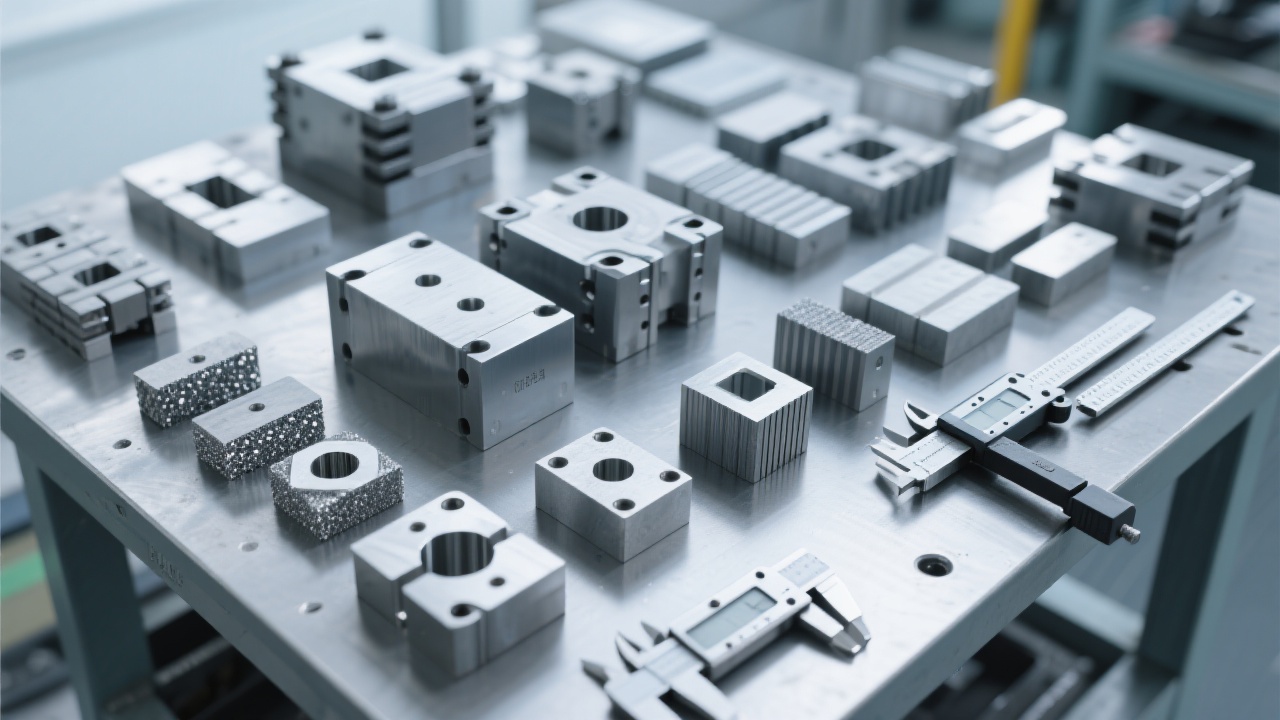
Warping primarily arises from residual stresses during milling and improper cooling. Multi-pass shallow cuts combined with stress-relief annealing post-machining improve flatness by distributing mechanical loads evenly. For fracture prevention, avoiding sudden feed increments and using defect-free raw graphite blocks are core strategies.
Real-world examples from the energy sector show warping rates reduced by up to 40% after adopting Kaibo CNC's recommended multi-pass cutting and cooling protocols.
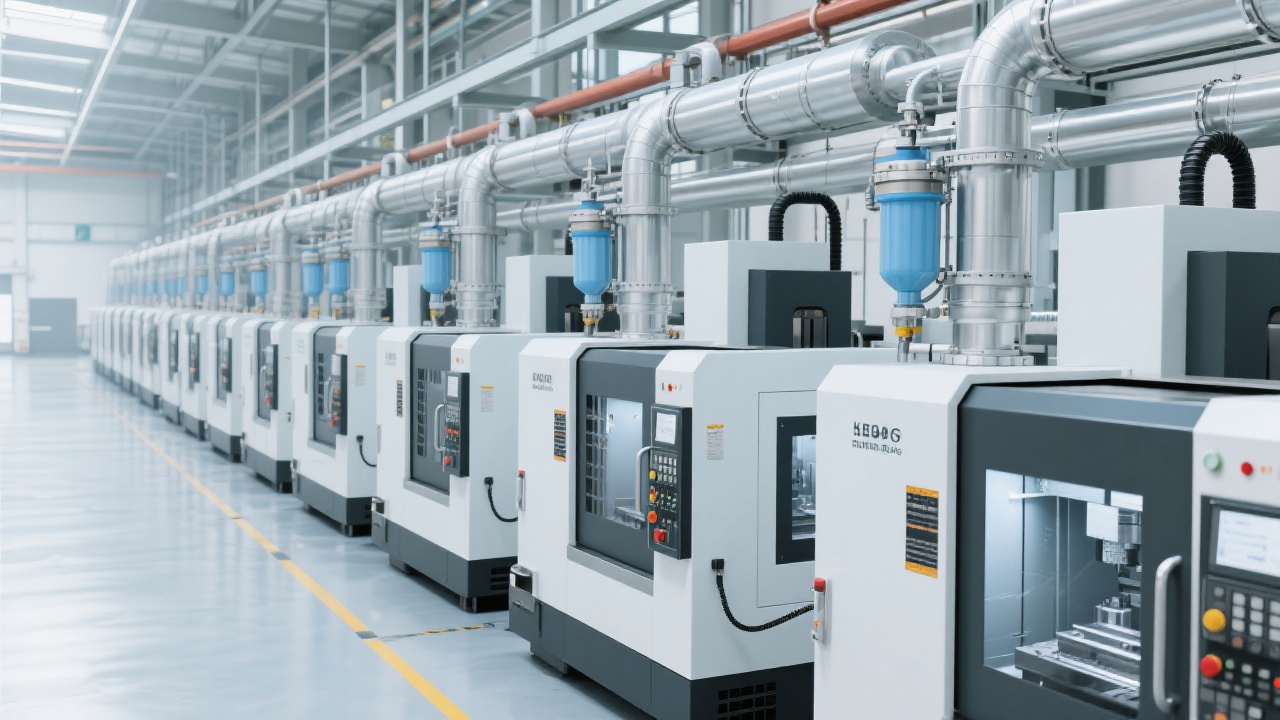
From high-temperature furnace components to semiconductor graphite electrodes, CNC milling precision directly influences product lifespan and performance. Kaibo CNC's documented best practices enable manufacturers to cut machining times by up to 20%, while maintaining export-quality standards imperative for international markets.
Pro Tip Box: