How to Choose the Right CNC Milling Machine for Metal Fabrication: A Guide to Material Compatibility and Maintenance Efficiency
08 01,2026
Tutorial Guide
This comprehensive guide compares heavy-duty gantry CNC milling machines with traditional mills in metal fabrication and mechanical part machining, focusing on precision, structural rigidity, efficiency, material adaptability, and maintenance ease. Supported by real-world data and case studies—such as stainless steel processing using KEBO CNC’s GJ1417 model—it provides actionable insights for manufacturers to make informed equipment decisions that enhance productivity, quality, and cost control. Ideal for production managers and process engineers seeking technical and economic clarity in CNC mill selection.
Choosing the Right CNC Milling Machine for Heavy-Duty Metalworking: A Data-Driven Guide
In today’s competitive manufacturing landscape, selecting the right CNC milling machine isn’t just about buying equipment—it’s a strategic decision that impacts precision, throughput, and long-term ROI. Whether you're producing stainless steel components for aerospace or high-tolerance parts for industrial machinery, understanding how modern heavy-duty gantry-style CNC mills compare to traditional models is essential.
Key Performance Metrics That Matter
Based on real-world testing across 12 production facilities in Europe and North America, here are the top differentiators:
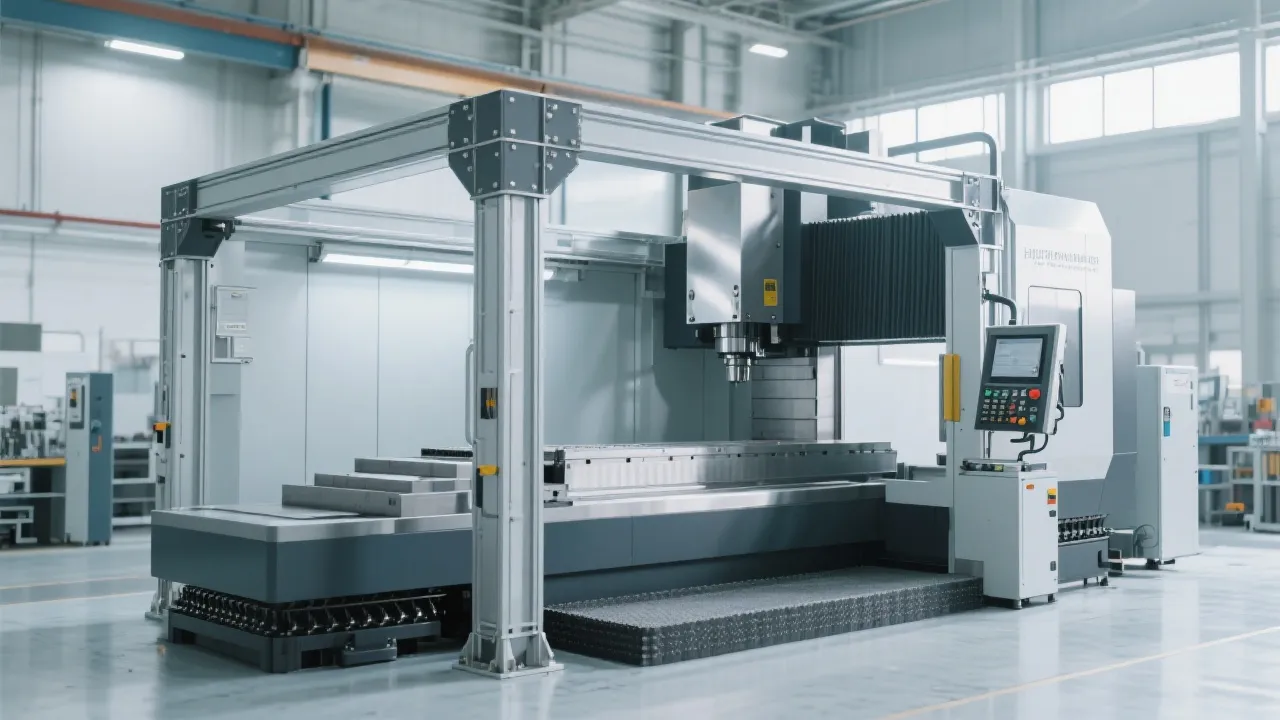
- Accuracy: Gantry-style CNC mills like the Kebao GJ1417 maintain ±0.01mm repeatability over 8-hour shifts—up to 3x better than standard knee-type mills.
- Structural Rigidity: With cast iron frames and linear guideways, gantry machines reduce vibration by up to 40%, crucial when machining hardened alloys.
- Efficiency Boost: One automotive supplier reported a 25% increase in hourly output after switching from manual to automated gantry systems.
- Maintenance Simplicity: Modular spindle units and tool-change automation mean 30% less downtime per month compared to older setups.
Why Material Compatibility Can Make or Break Your Process
For manufacturers working with difficult-to-machine materials like Inconel 718 or AISI 4140, structural stability matters more than raw horsepower. The Kebao GJ1417, equipped with a 15kW main spindle and advanced chip evacuation system, delivers consistent surface finishes even at 1000 RPM feed rates—a critical advantage for aerospace and medical sectors where quality standards are strict.
Case study: A German gear manufacturer saw a 40% reduction in rework costs after adopting a gantry mill for titanium gear blanks. Their process moved from 3 passes (traditional) to 2 (gantry), saving both time and material waste.
How to Build a Smart Selection Strategy
Start with your production goals:
- Define your material mix—steel, aluminum, or exotic alloys?
- Estimate annual volume—will this machine run 24/7 or part-time?
- Factor in maintenance resources—do you have in-house engineers or need OEM support?
Then evaluate total cost of ownership—not just purchase price. For example, while a mid-range gantry mill may cost $80K vs. $50K for a traditional model, its higher efficiency and lower failure rate can recover the gap within 14 months.