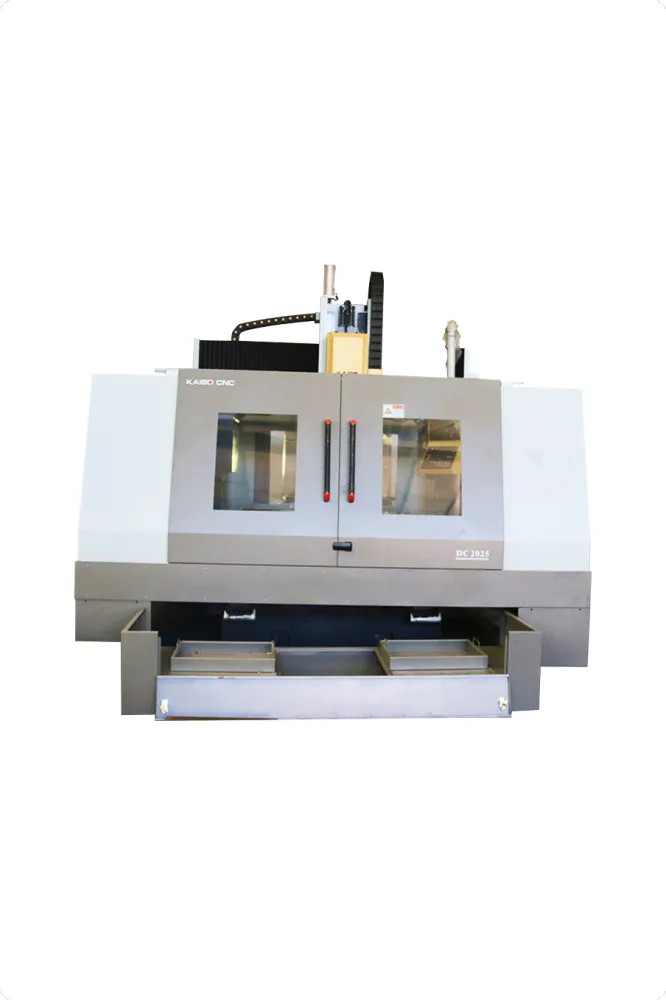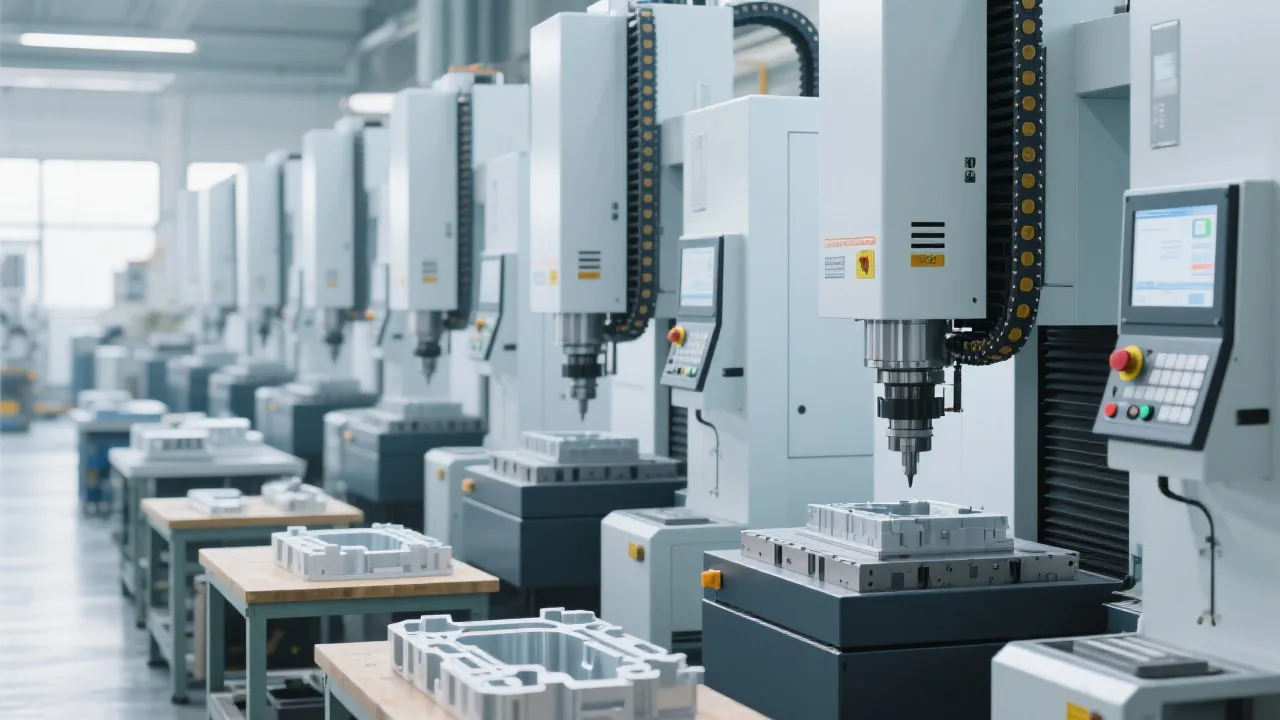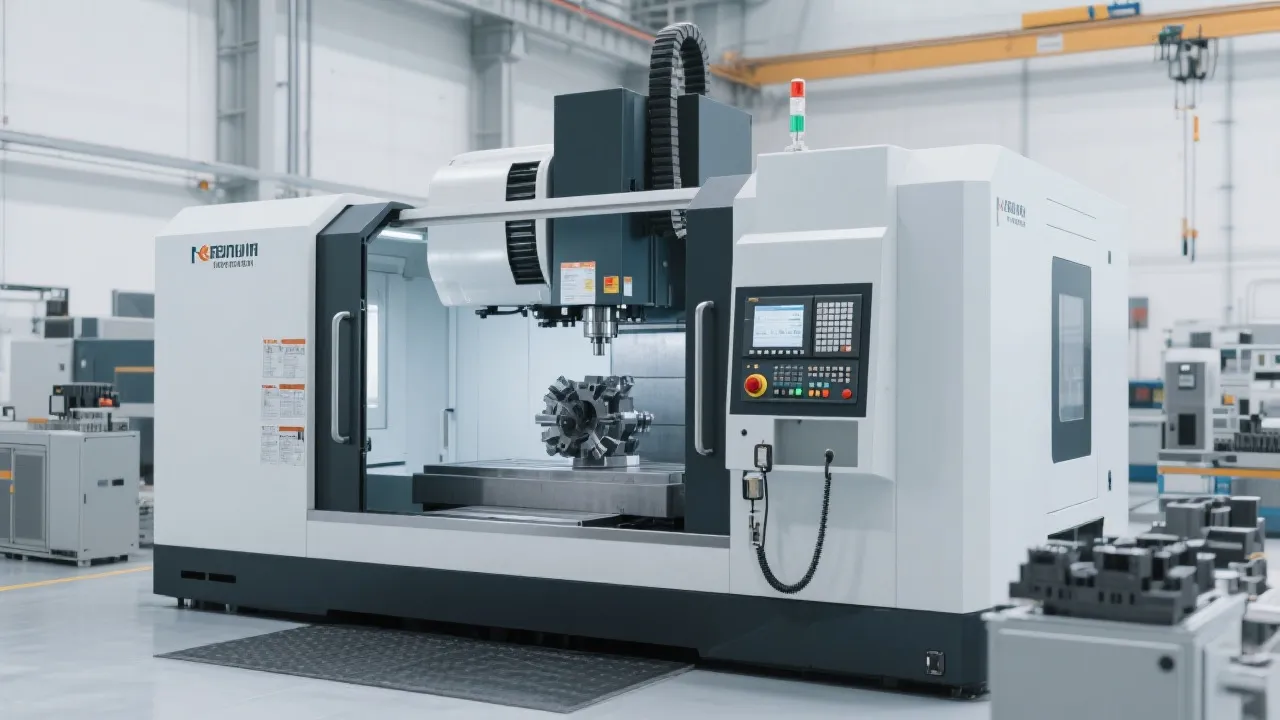
In the dynamic landscape of metalworking, achieving both high precision and increased efficiency is paramount. The Kaibo CNC DC1417 milling machine exemplifies advanced engineering by integrating a highly rigid structure with a high-precision servo system, enabling micrometer-level processing accuracy. This article delves into the technical underpinnings of how CNC milling can optimize five-metal processing tasks, particularly focusing on aluminum alloys and stainless steel, while presenting proven strategies aimed at vibration suppression and thermal distortion control.
At the core of the DC1417’s superior performance lies its robust machine bed and frame, crafted from high-strength cast iron to substantially reduce deflection under load. This rigidity is critical in maintaining stability during high-speed milling operations, where even micron-scale deviations can affect the final product quality.
Coupled with the mechanical design, the utilization of high-precision servo motors ensures dynamic position control with resolution typically around 0.1 microns. This precise feedback loop enables consistent replication of complex geometry with minimal variation across batch production, significantly enhancing throughput without quality compromise.
Material-specific cutting strategies are integral to maximizing tool life and achieving the desired dimensional tolerances. For aluminum alloys, the DC1417 adjusts spindle speed to 12,000–15,000 RPM and employs a feed rate optimized between 800–1,000 mm/min, balancing chip load and heat generation.
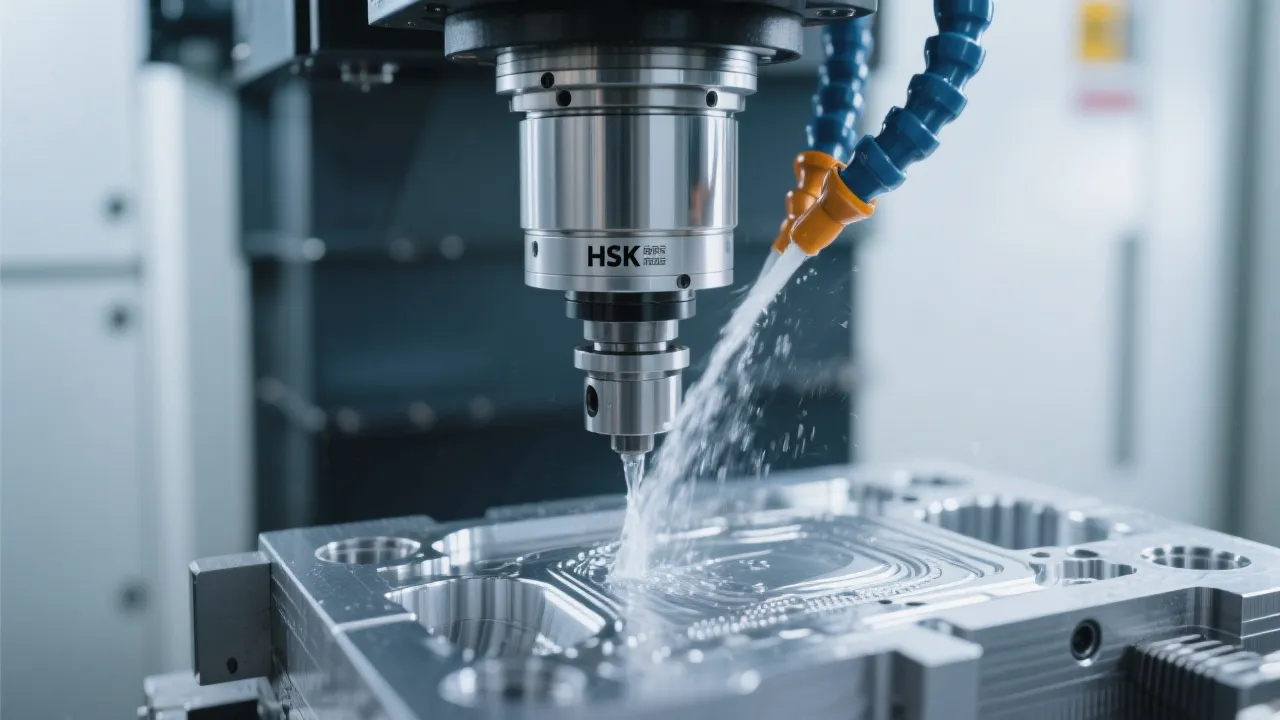
Conversely, when machining stainless steel, which is tougher and more prone to work hardening, the strategy shifts to lower spindle speeds (~4,000–6,000 RPM), combined with higher feed rates and intermittent coolant application to manage thermal effects and mitigate tool wear.
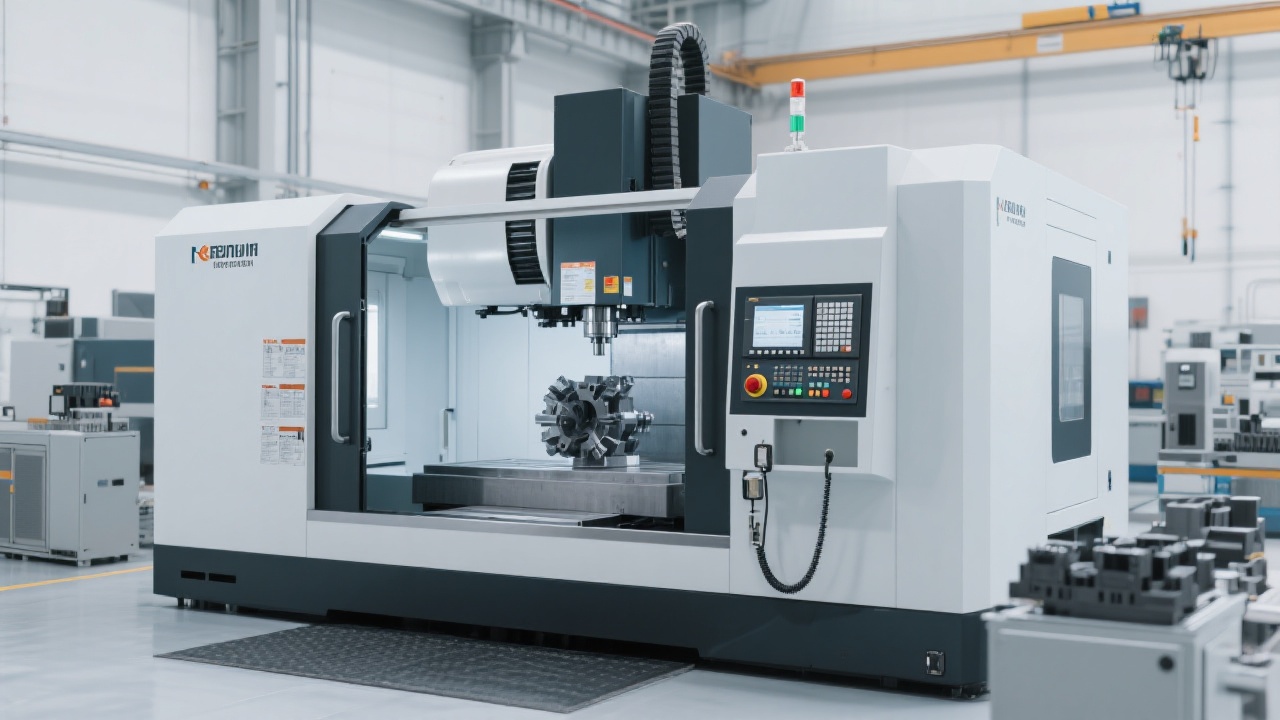
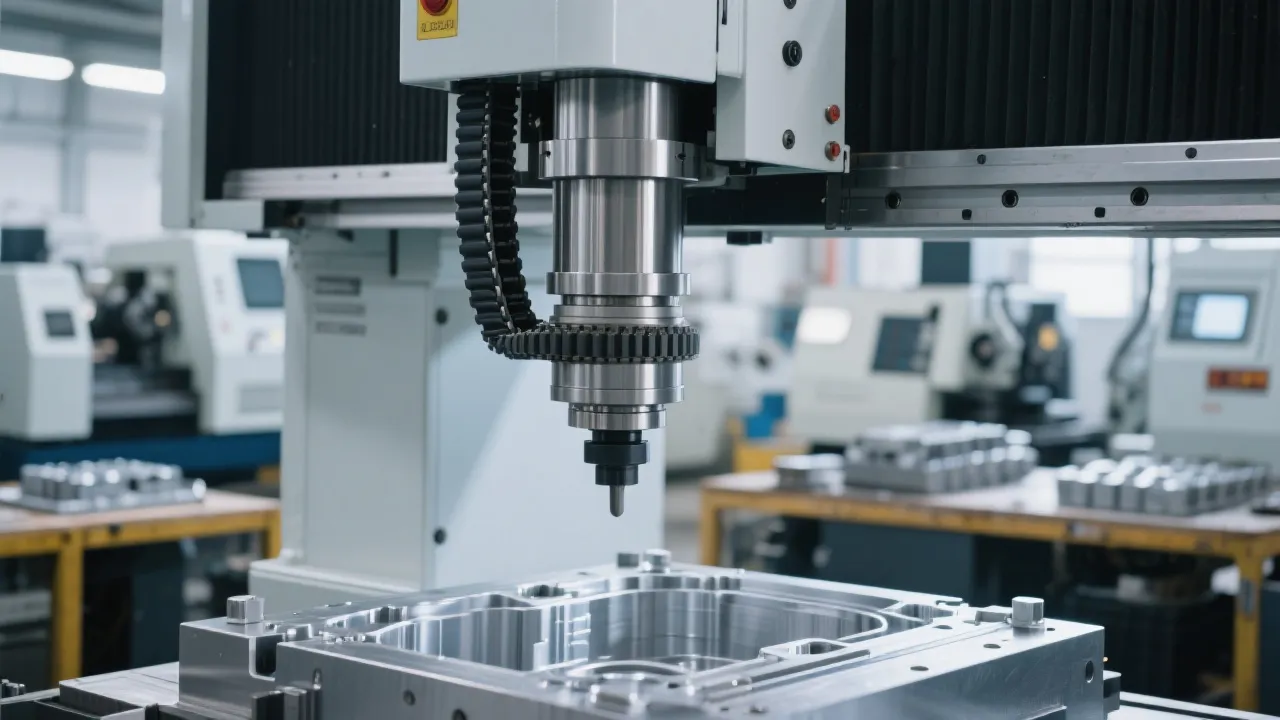
Vibration (chatter) is a major source of inaccuracy and surface degradation in CNC milling. The DC1417 employs an adaptive vibration damping system that monitors real-time cutting forces and dynamically adjusts spindle torque and feed rate. This approach reduces the risk of resonance-induced flaws, maintaining smooth surface finish and dimensional fidelity.
Thermal distortion control is addressed through a multi-tiered system: the machine incorporates liquid cooling channels within critical components and thermally stable materials to mitigate expansion. Moreover, control algorithms adjust machining sequences to minimize heat buildup, sustaining micro-level tolerances even during prolonged runs.
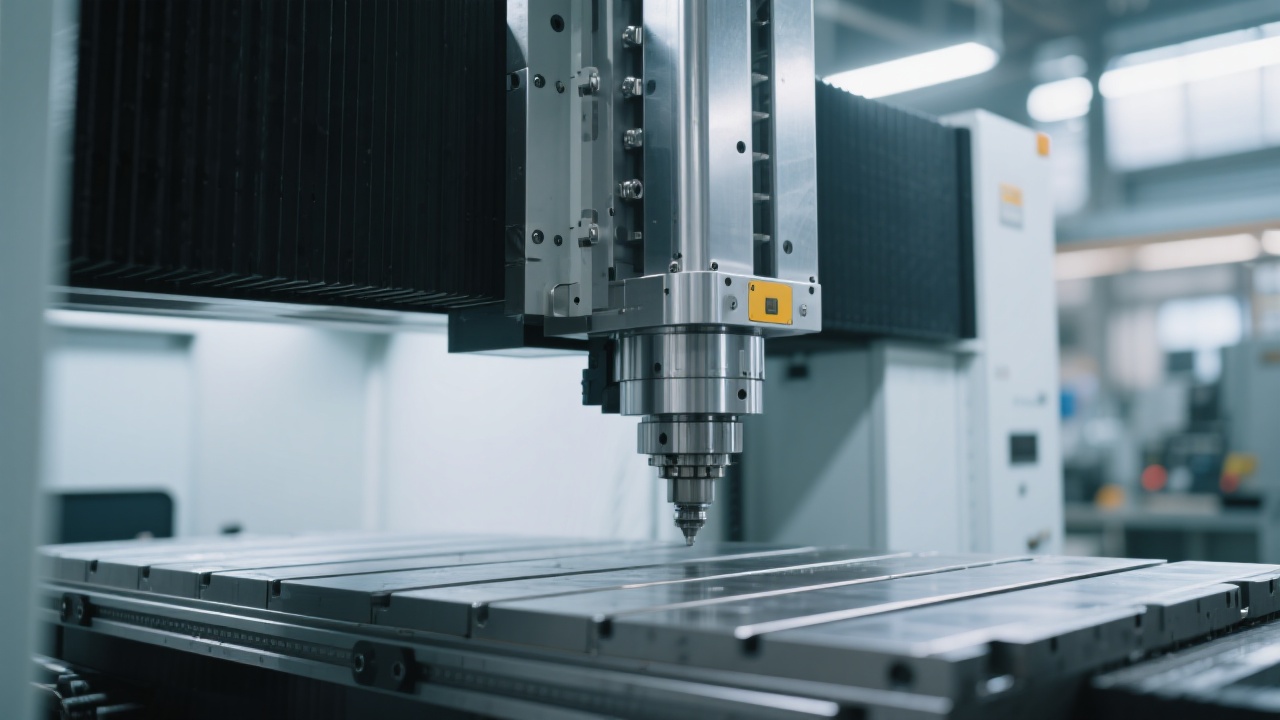
Completion of precise milling demands rigorous quality verification. The integration of Coordinate Measuring Machines (CMM) with CNC processes in Kaibo CNC’s workflow facilitates a closed-loop system. Post-process measurements validate machining dimensions against CAD models with sub-micron accuracy, guiding iterative parameter tuning.
This verified production approach ensures batch consistency, fulfilling stringent industry tolerances such as IT6 to IT7 standards commonly required in automotive components.
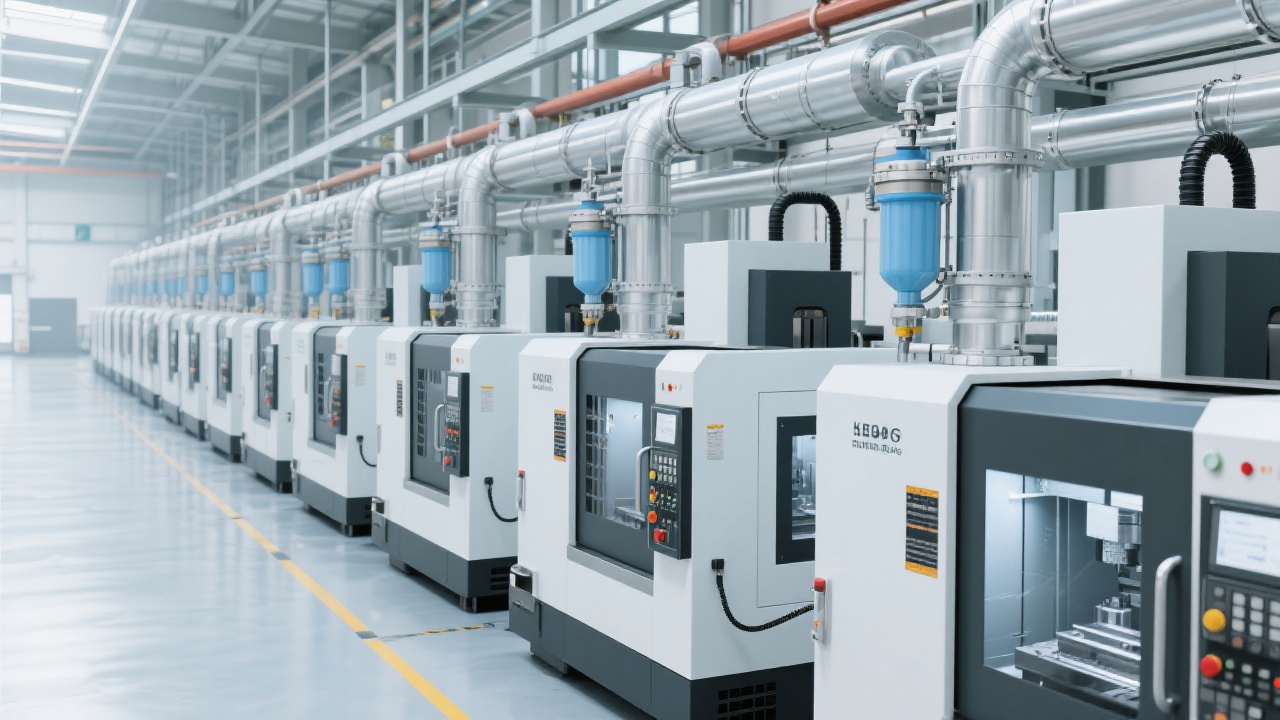
In a recent deployment, the DC1417 was utilized in producing aluminum housing parts for automotive engines, achieving dimensional tolerances within ±3 microns, a 35% improvement compared to previous models. This enhanced precision significantly reduced scrap rates and post-processing time.
Similarly, stainless steel shaft components showed a 20% increase in surface finish quality and a 15% reduction in cycle time, attributed to optimized cutting regimes and effective thermal management. These efficiency gains translate directly into heightened production capacity and cost competitiveness.
Explore how Kaibo CNC DC1417 revolutionizes micro-precision metalworking for your manufacturing challenges.