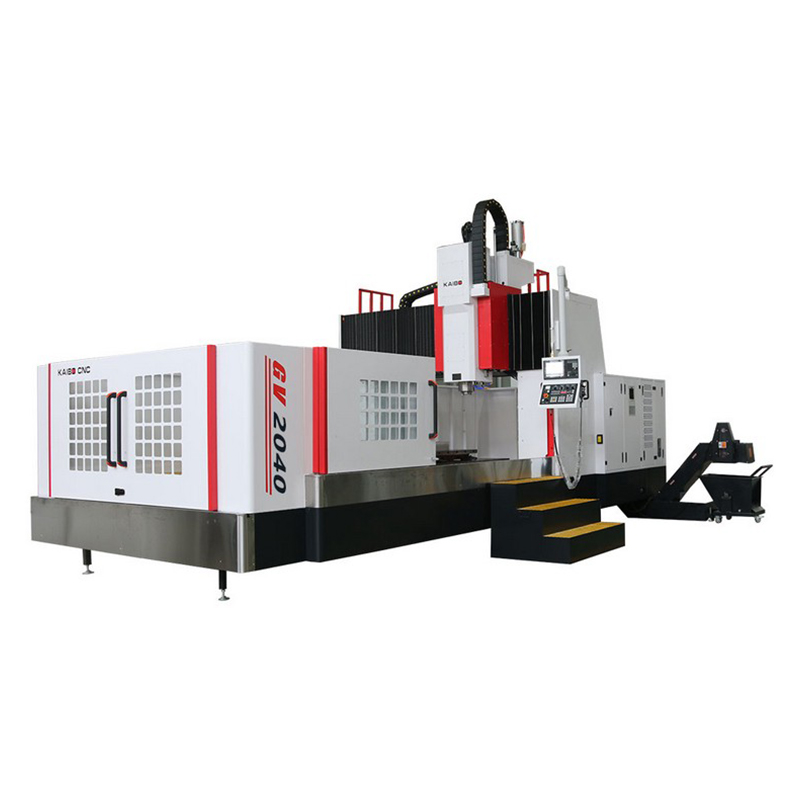
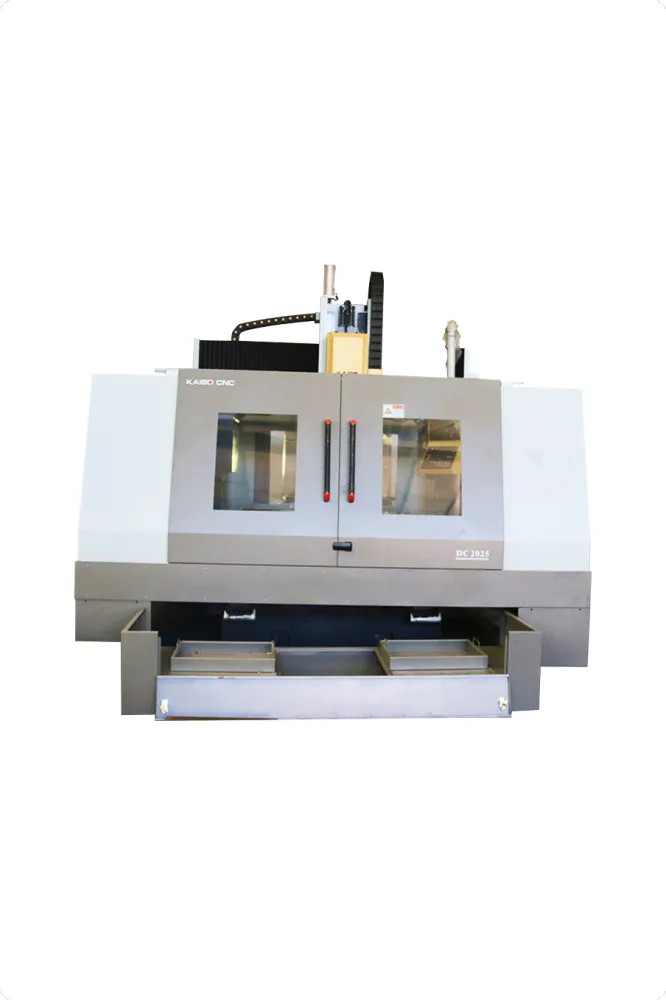
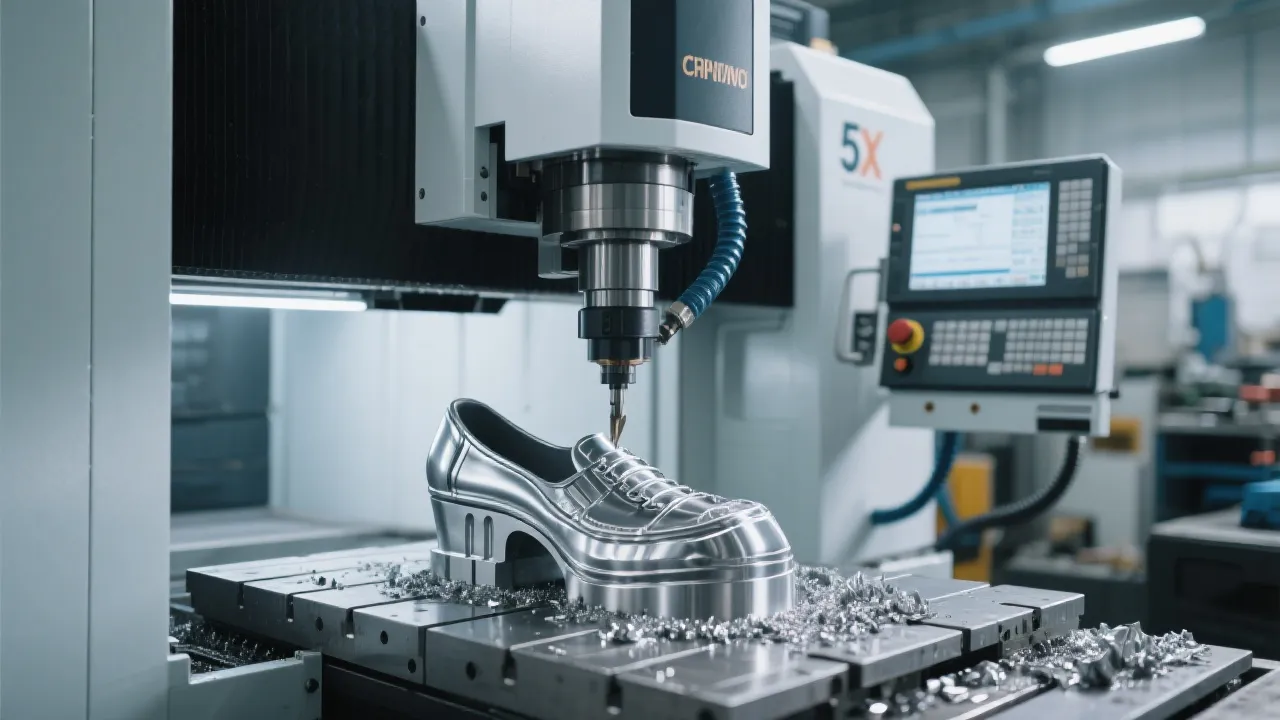
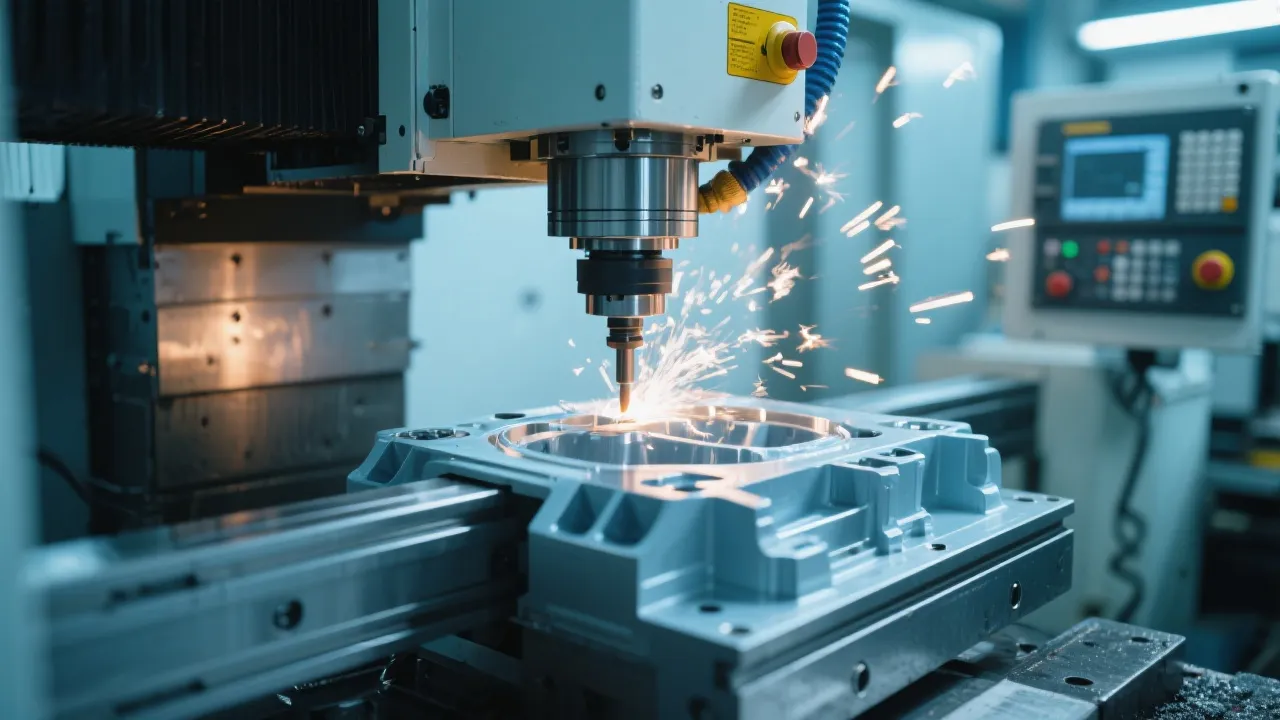
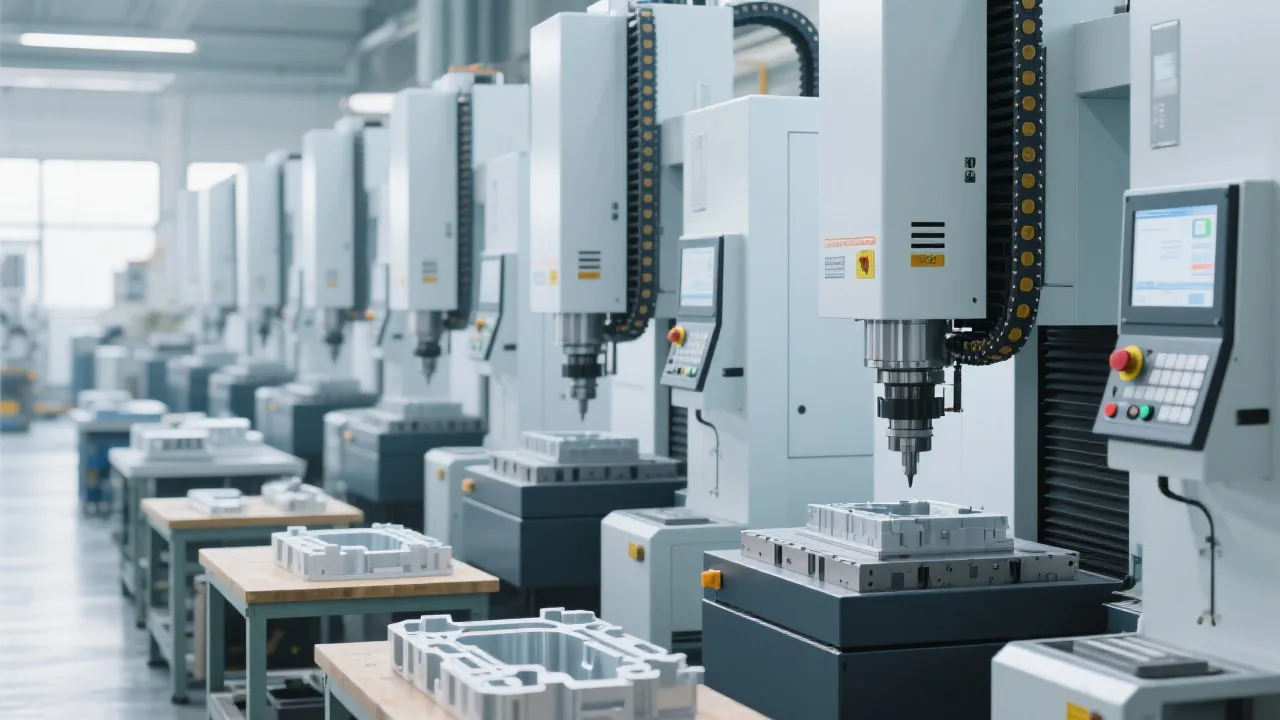
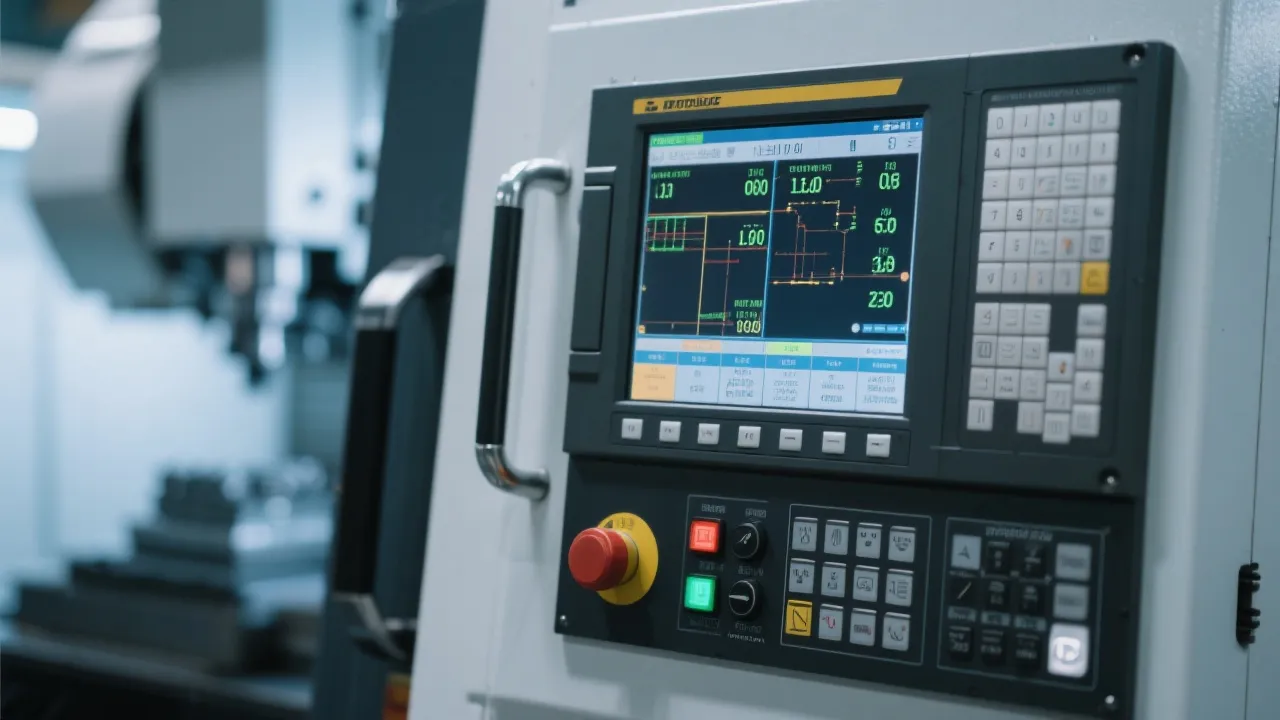
Heavy-duty CNC milling machines operate under rigorous conditions, often facing challenging issues that can disrupt production and escalate maintenance costs. This article systematically analyzes typical faults and their root causes, offering actionable prevention and troubleshooting techniques based on frontline maintenance expertise. Whether you manage equipment or operate these machines, adopting standardized maintenance workflows can significantly enhance operational stability and extend machine longevity.
Heavy-duty CNC milling machines are prone to both mechanical and electrical faults during continuous high-load operation. The most frequent mechanical issues include guideway wear, lead screw degradation, and hydraulic system leaks. Meanwhile, electrical faults often manifest as spindle overheating and servo motor stepping loss. Understanding these faults’ underlying causes is essential for rapid diagnosis:
Consistent daily checks can preempt failures and minimize downtime. Maintenance teams should implement a structured daily inspection process, including but not limited to:
| Inspection Item | Check Points |
|---|---|
| Lubrication Status | Verify lubrication levels and proper grease distribution on guideways and ball screws |
| Hydraulic System | Inspect for leaks, pressure stability, and oil cleanliness |
| Spindle Temperature | Monitor for abnormal heating during operation |
| Servo Motors | Check for unusual noise, vibrations, and stepping anomalies |
| Control Panel & Wiring | Ensure connectors are intact and no loose wiring exists |
Monthly inspections and preventive actions target deeper system integrity. The following areas demand particular attention:

Effective lifespan management is indispensable for budgeting maintenance and avoiding unexpected machine downtime. Heavy-duty CNC milling machine parts can be categorized by wear rates and criticality:
| Component | Expected Service Life | Monitoring Focus |
|---|---|---|
| Guideways | 5 to 7 years | Measure wear and backlash every 6 months |
| Ball Screws | 4 to 6 years | Regular lubrication and backlash checks |
| Hydraulic Seals | 1 to 3 years | Visual inspections and pressure leak tests |
| Spindle Bearings | 3 to 5 years | Monitor temperature and vibration |
Case studies from on-site experiences highlight the gains accessible through proper maintenance protocols:
After implementing a rigorous daily lubrication and hydraulic pressure monitoring routine, one heavy machinery plant lowered unplanned spindle overheating incidents by over 30% within six months, significantly reducing repair cost and downtime.
Another instance involved replacing worn guideway pads after measurable backlash exceeded manufacturer tolerance, which restored machining precision and prolonged component life by an estimated 18 months.
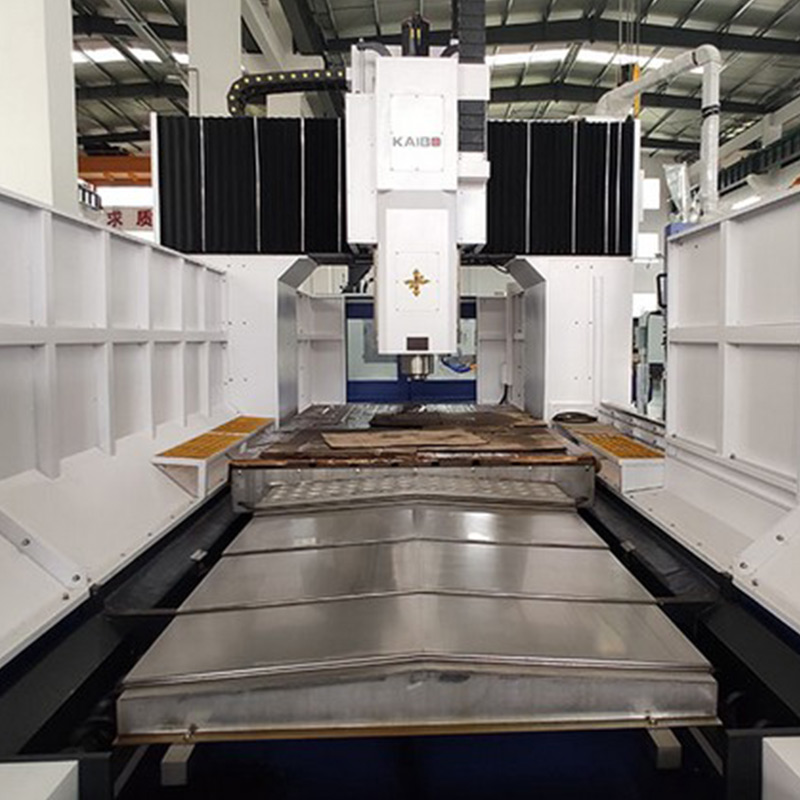
Integrating reliable CNC milling machines tailored for heavy-duty industrial demands is pivotal. Kaibo CNC Milling Machines deliver precision-engineered solutions coupled with comprehensive after-sales service. Their advanced fault detection systems and user-friendly maintenance protocols empower operators to sustain peak performance without excessive downtime.
Kaibo's commitment to quality means operators benefit from expert technical support, readily available replacement parts, and customized maintenance plans designed to match your production requirements—ensuring that your investment yields maximum return in durability and efficiency.