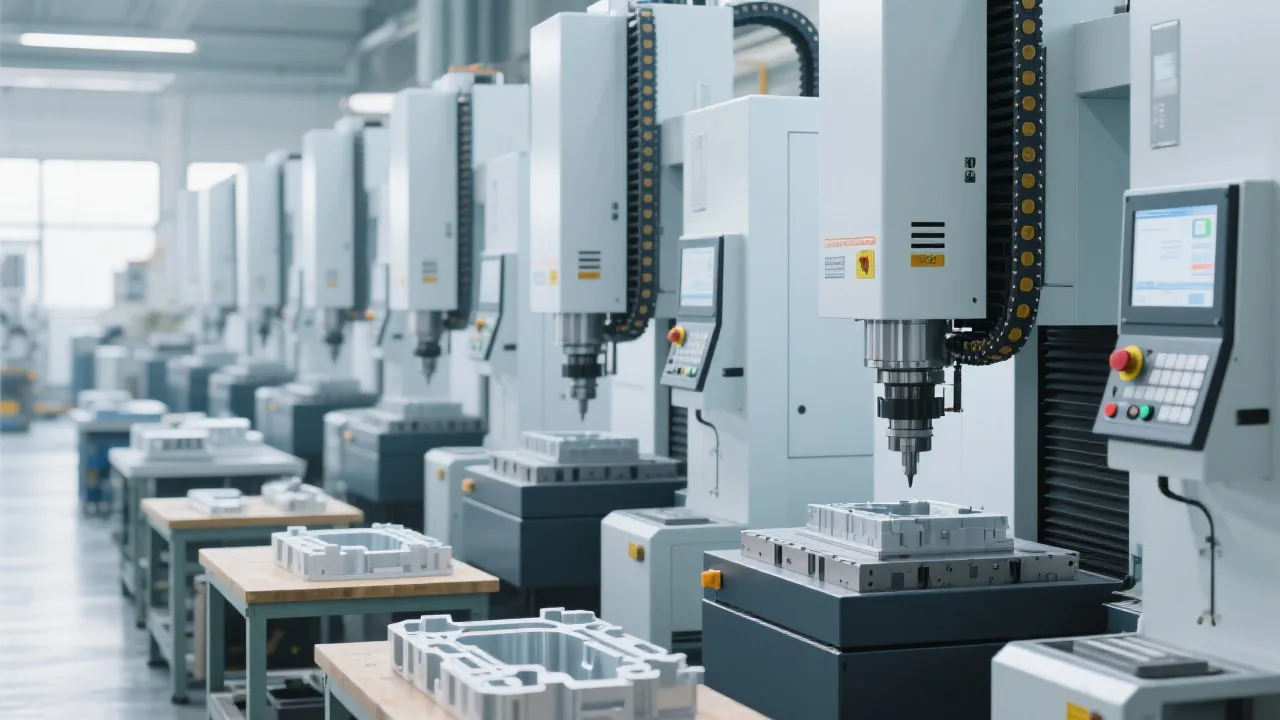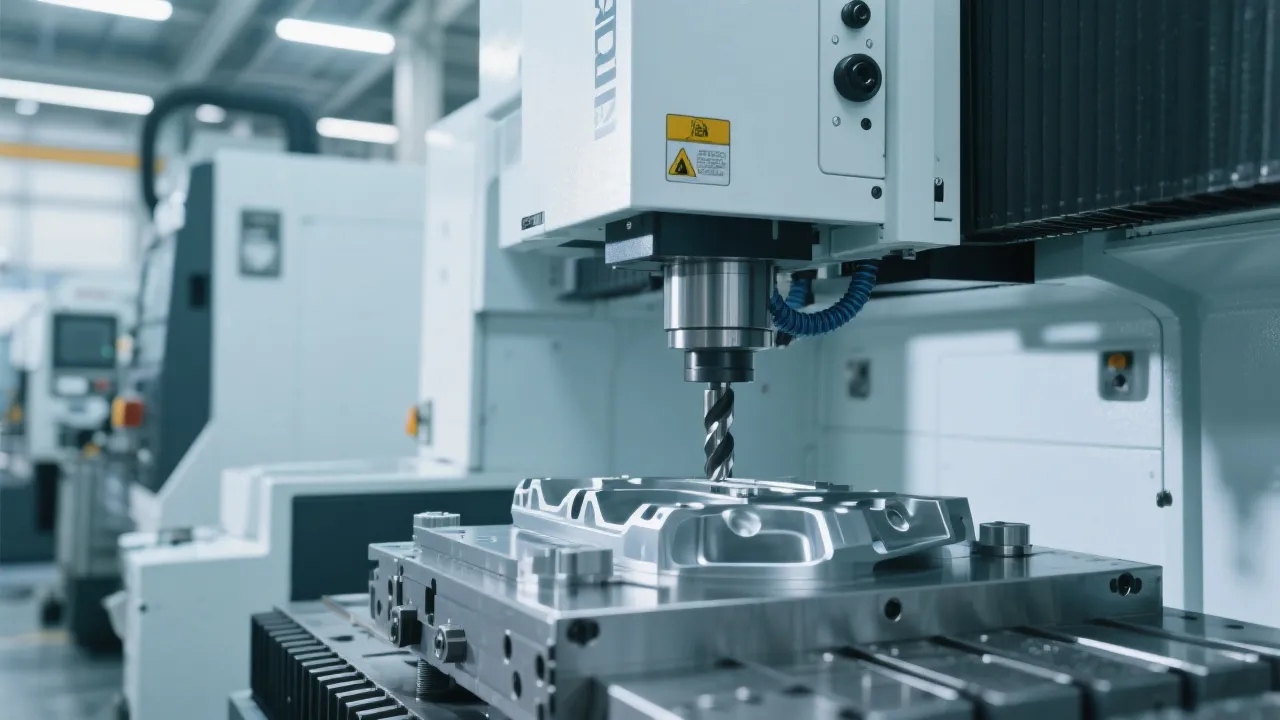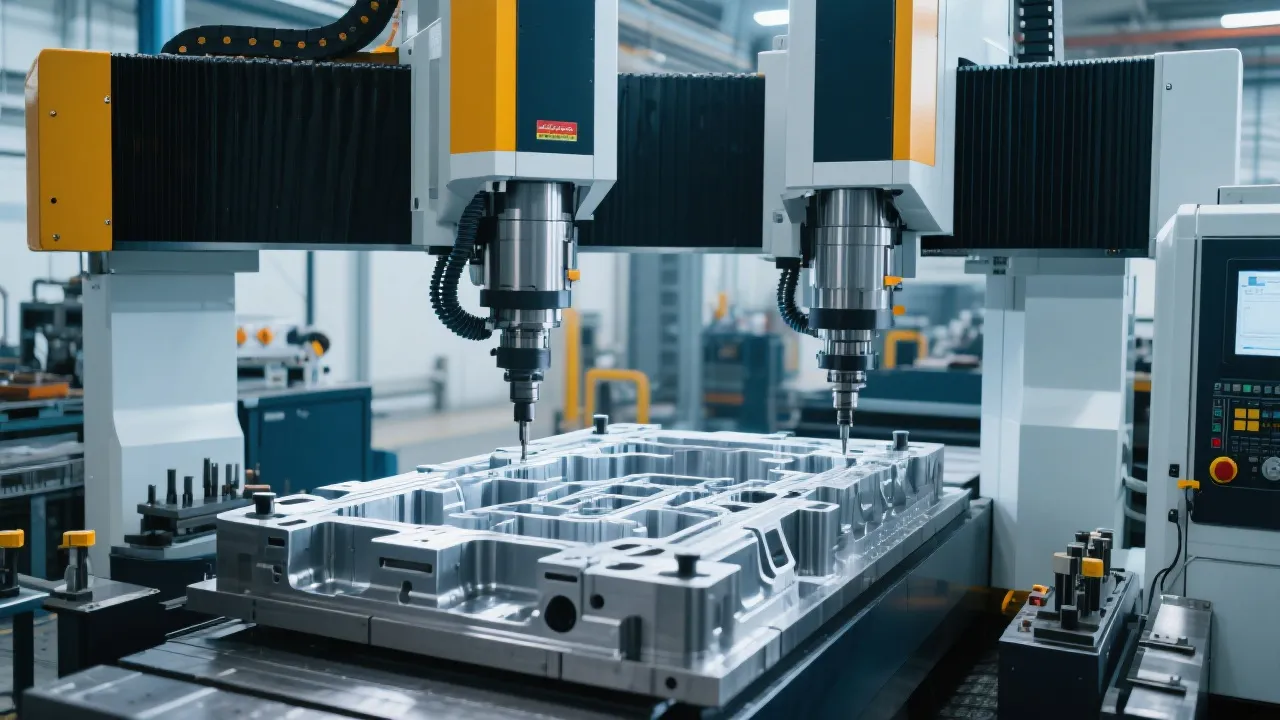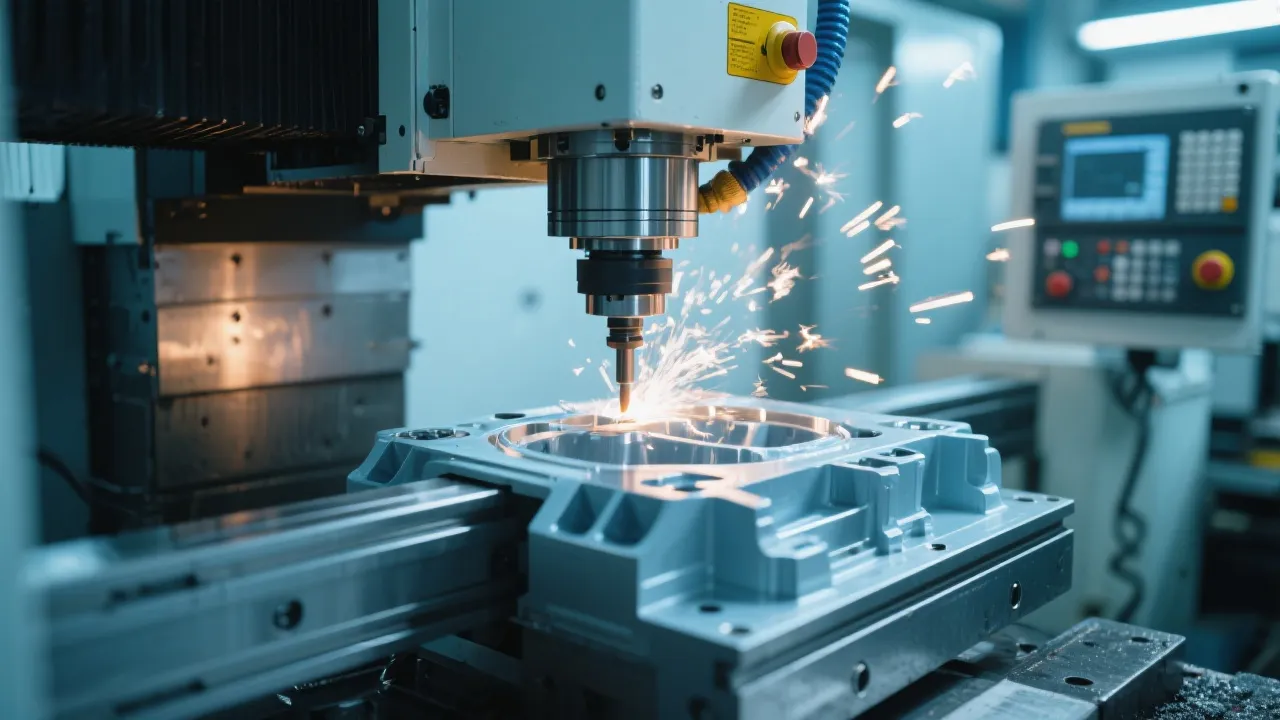
The heavy-duty CNC milling machines like the Kaibo CNC DC1417 are critical assets in high-precision metalworking industries. Their uninterrupted performance directly impacts productivity and operational costs. This article offers an in-depth guide to efficiently identify and solve common issues related to heavy CNC milling machines, specifically focusing on the DC1417 model. Addressing frequent faults such as guideway wear, spindle temperature rise anomalies, and servo motor step loss, the guide equips maintenance teams and operators with actionable procedures for daily inspection, monthly maintenance, and key parts lifecycle management.
Heavy-duty CNC milling machines undergo intensive workloads that expose their mechanical and electronic components to wear and failure risks. The prevalent fault categories include:
The guideways form the backbone of the machine’s linear motion system. Wear can manifest as increased play or surface scratches, degrading precision. The recommended detection methods include:
Preventive maintenance involves scheduled lubrication every 100 operating hours and surface polishing or guideway realignment at 12-month intervals. Replacing guide pads proactively after 18-24 months based on operating conditions can avoid unexpected downtime.
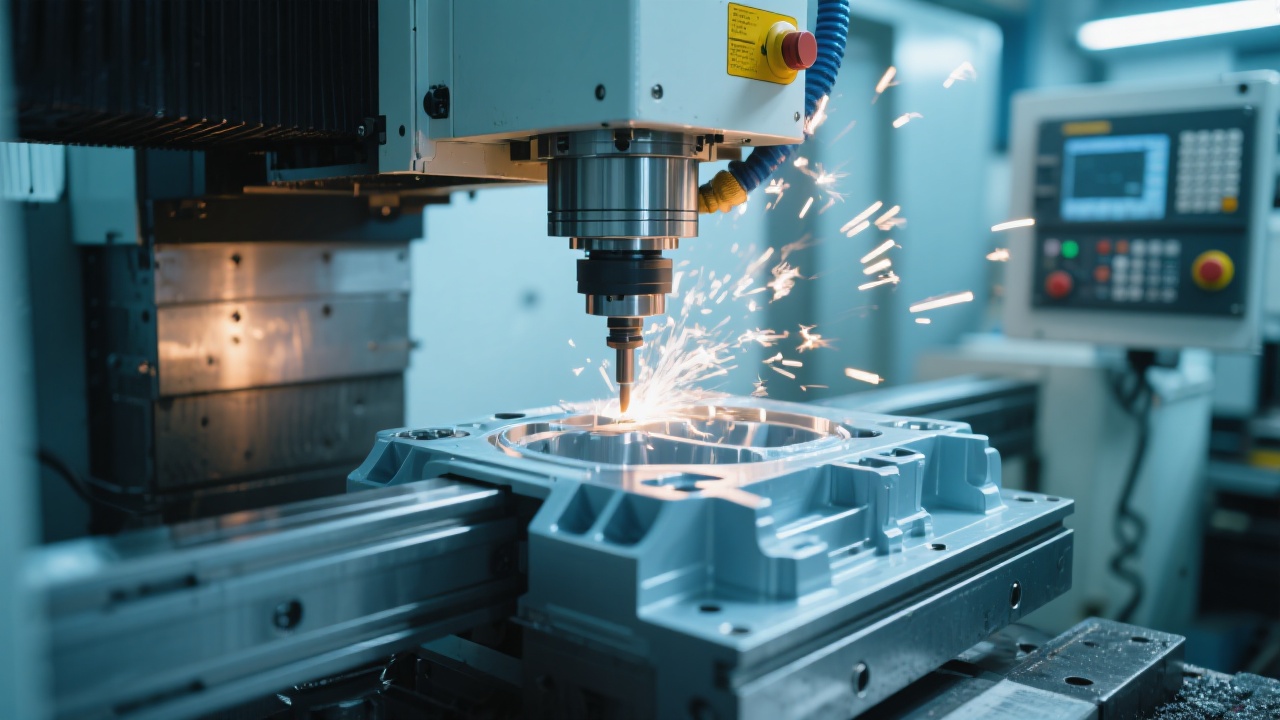
Spindle overheating is a critical failure risk that compromises machining accuracy and bearing health. Key causes include bearing wear, insufficient cooling, or electrical imbalances.
Follow these diagnostic and maintenance steps:
Replacing bearings preemptively after 8,000 operational hours and ensuring coolant quality dramatically reduce spindle overheating incidents.
Servo motor step loss leads to deviation in tool position, triggering machining defects or process halts. Causes often stem from electrical noise, mechanical binding, or encoder faults.
Establishing these checks as part of a monthly maintenance protocol can reduce servo-related faults by approximately 30%, according to field data from Kaibo CNC technical teams.
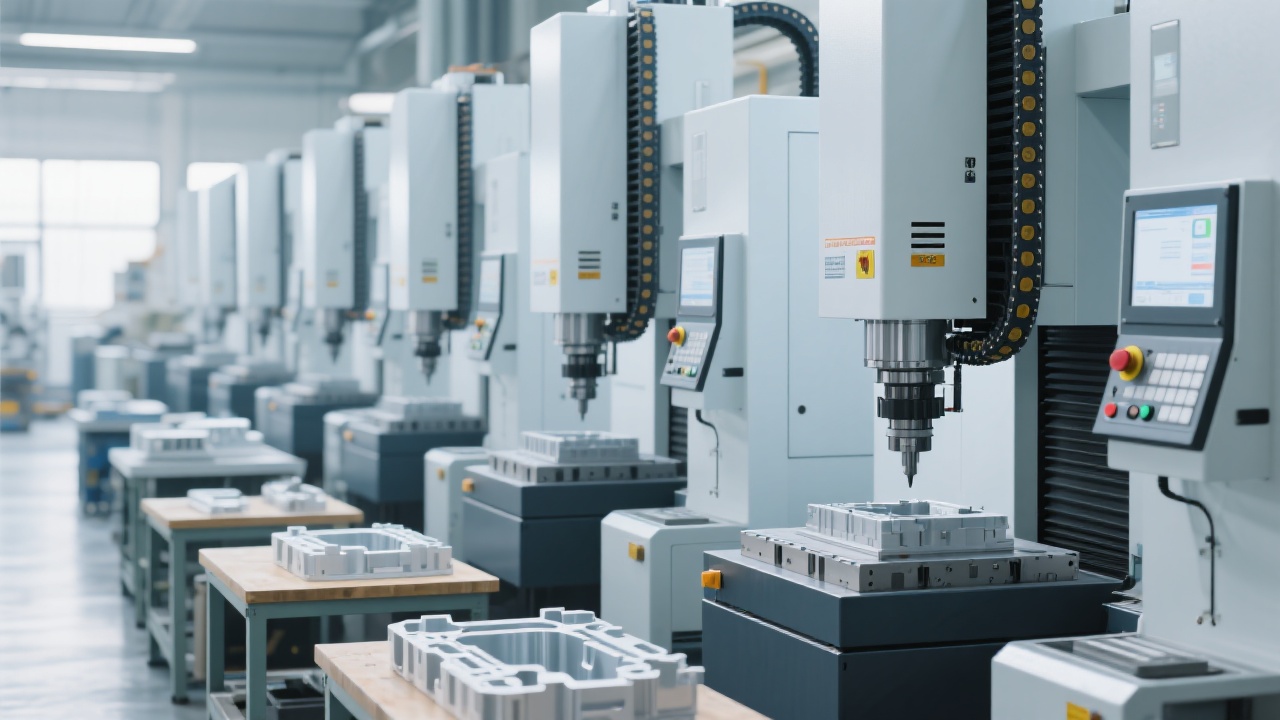
To achieve optimum performance and prolong machine lifespan, an integrated maintenance schedule is vital:
| Maintenance Frequency | Tasks | Key Performance Indicators |
|---|---|---|
| Daily | Visual inspection of guideways and spindle temperature monitoring. Ensure lubrication ports are filled. |
No abnormal noises; Temperature under 60°C |
| Monthly | Vibration and servo motor signal analysis. Check coolant quality and flow. |
Vibration within tolerance; No signal loss |
| Annual | Guideway realignment and pad replacement; Bearing overhaul. | Backlash < 0.05mm; Bearing vibration minimal |

A leading metal fabrication plant reported repeated spindle temperature spikes and servo positioning errors on their Kaibo CNC DC1417 machine, resulting in quality rejects and downtime. Their maintenance team implemented the outlined inspection protocols and upgraded their lubrication practices. Within three months, spindle overheating incidents dropped by 70%, and servo reliability improved substantially, boosting overall productivity by 12%. The proactive approach allowed precise scheduling of part replacements and reduced unexpected stoppages.
Kaibo CNC stands out for its robust construction, advanced control systems, and comprehensive service network. The DC1417 model combines precision, power, and durability, supported by streamlined maintenance guidelines and responsive technical assistance, empowering manufacturers to minimize downtime and extend equipment life.