
As global manufacturers face increasing demands for precision, efficiency, and consistency—especially when processing challenging materials like stainless steel—heavy-duty CNC milling machines have emerged as a critical enabler of competitive advantage. According to a 2023 report by the International Association of Machinists, companies using high-rigidity CNC mills saw an average 34% increase in production throughput while reducing scrap rates by up to 27%.
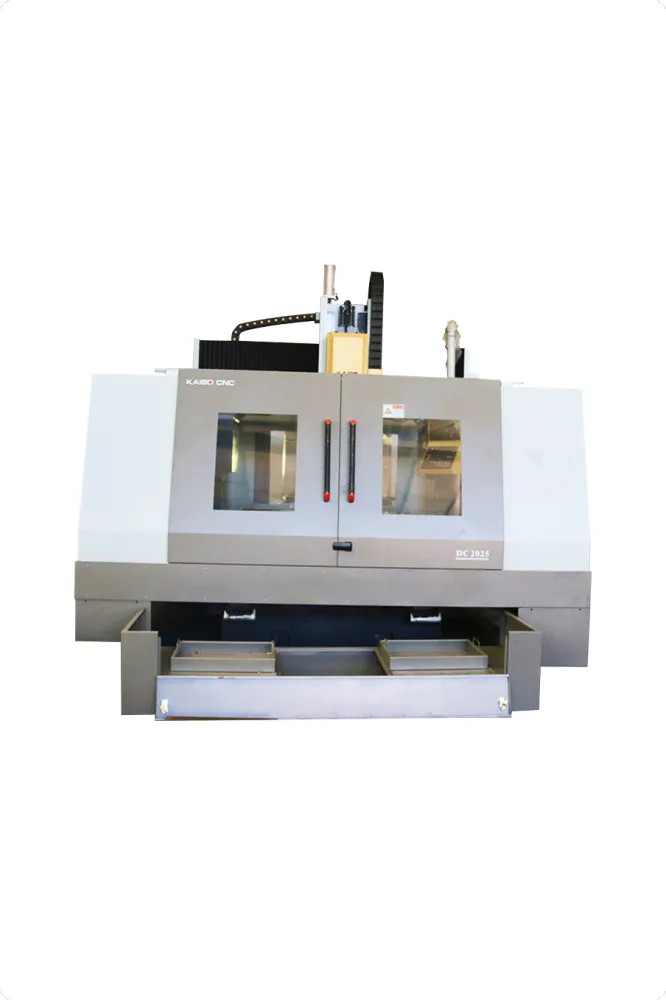
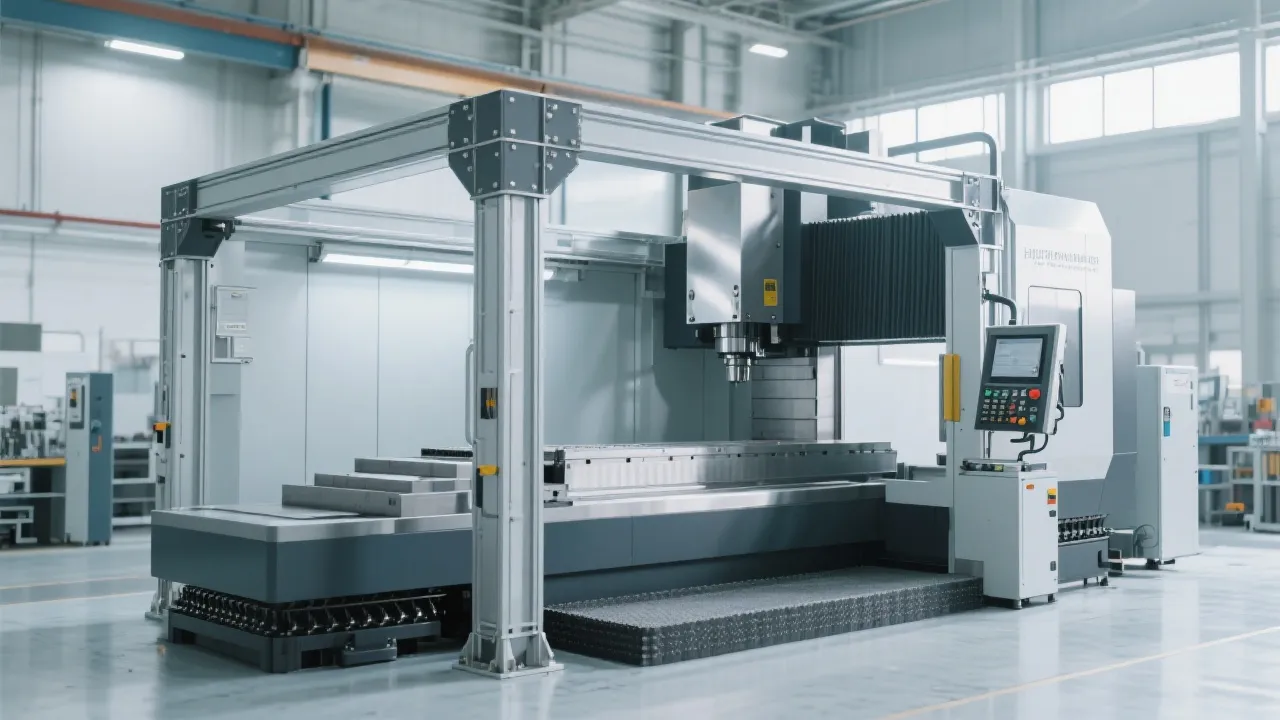
Modern heavy-duty CNC milling systems are engineered not just for power—but for stability under extreme conditions. Take, for example, the integration of ultra-large worktables (up to 4m x 2m) that allow simultaneous machining of multiple complex parts without repositioning—a key factor in reducing cycle times for mold-making and automotive components.
The structural integrity of these machines is ensured through cast iron frames with finite element analysis (FEA)-optimized stiffness profiles. This design minimizes vibration during high-speed cutting, maintaining sub-millimeter accuracy even at feed rates exceeding 30 m/min—a benchmark that most mid-range machines fail to meet consistently.
Stainless steel remains one of the most difficult materials to machine due to its tendency to work-harden and generate heat. Our clients in Germany and the UAE report success with specialized toolpaths and coolant strategies tailored to AISI 304/316 grades. By implementing variable spindle speeds (from 500–1500 RPM) and chip-breaking geometry tools, operators achieve surface finishes below Ra 0.8 μm—critical for aerospace-grade components.
One case study from a Turkish automotive supplier shows how switching to a modular龙门式 (gantry-style) CNC mill reduced tool wear by 40% over six months and improved dimensional repeatability across 10,000+ units per month.
In mold manufacturing, where tolerances must be maintained within ±0.02mm, these machines enable full automation of cavity finishing—eliminating manual polishing steps that once took 2–3 days per mold. Similarly, in the automotive sector, they handle large transmission housing parts with minimal setup time, supporting just-in-time (JIT) delivery models now standard in Europe and North America.
All systems comply with ISO 9001 quality standards, ensuring consistent performance across shifts, climates, and operator skill levels—an essential feature for multinational OEMs sourcing globally.
Many users overlook the importance of pre-cutting simulation software and thermal compensation settings. When properly configured, these features reduce trial-and-error machining by up to 60%, especially for thick-section or asymmetric parts.
If you're looking to upgrade your metalworking capabilities—or simply understand how today’s heavy-duty CNC mills can solve your toughest machining challenges—we invite you to explore our comprehensive technical documentation and schedule a live demonstration.
Discover How It Works – Book Your On-Site Demo Today






 <#else>


