
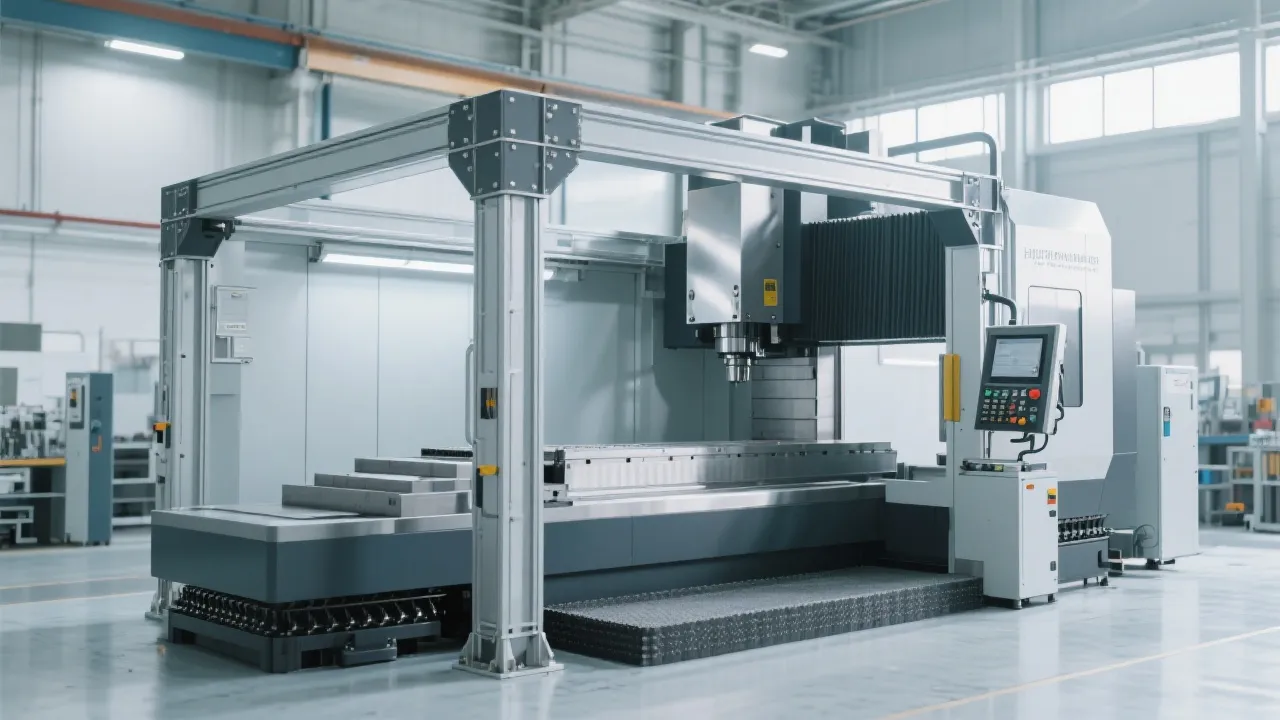
In advanced manufacturing, selecting the optimal CNC milling machine is pivotal to achieving superior productivity, precision, and cost efficiency. This technical analysis delves into the performance distinctions between heavy-duty gantry CNC milling machines and traditional milling machines, emphasizing key indicators such as machining accuracy, structural rigidity, operational efficiency, material compatibility, and maintenance requirements.
The heavy-duty gantry CNC milling machines excel with repeatability in the range of ±0.005 mm, outperforming many conventional milling machines, which generally achieve ±0.02 mm. This superior accuracy arises from the gantry’s robust design, which minimizes tool deflection during high-load operations. The dynamic rigidity ensures minimal thermal deformation, a critical factor when machining large or complex components.
| Performance Indicator | Heavy-Duty Gantry CNC | Conventional Milling Machines |
|---|---|---|
| Machining Accuracy (Repeatability) | ±0.005 mm | ±0.02 mm |
| Structural Rigidity | High (Robust welded steel frame) | Moderate (Cast iron body) |
| Processing Efficiency | Up to 30% faster cycle times | Standard cycle times |
| Material Adaptability | High (including titanium & hardened steel) | Limited to softer materials |
| Maintenance | Modular components for quick service | Basic but time-consuming maintenance |
The gantry CNC machine’s welded steel frame is engineered to resist vibration and bending stresses, guaranteeing consistent precision under heavy loads. By contrast, conventional machines, typically featuring cast iron structures, offer decent rigidity but cannot match the gantry’s ability to maintain stability during large-scale or high-force milling operations.
Optimized motion systems and rigid assemblies in gantry designs translate into up to 30% faster machining cycles on average. When machining large mechanical parts in automotive or aerospace sectors, this efficiency gain significantly reduces lead time and labor costs. Conventional milling machines, while reliable, may lag due to slower feed rates and less optimized tool paths.
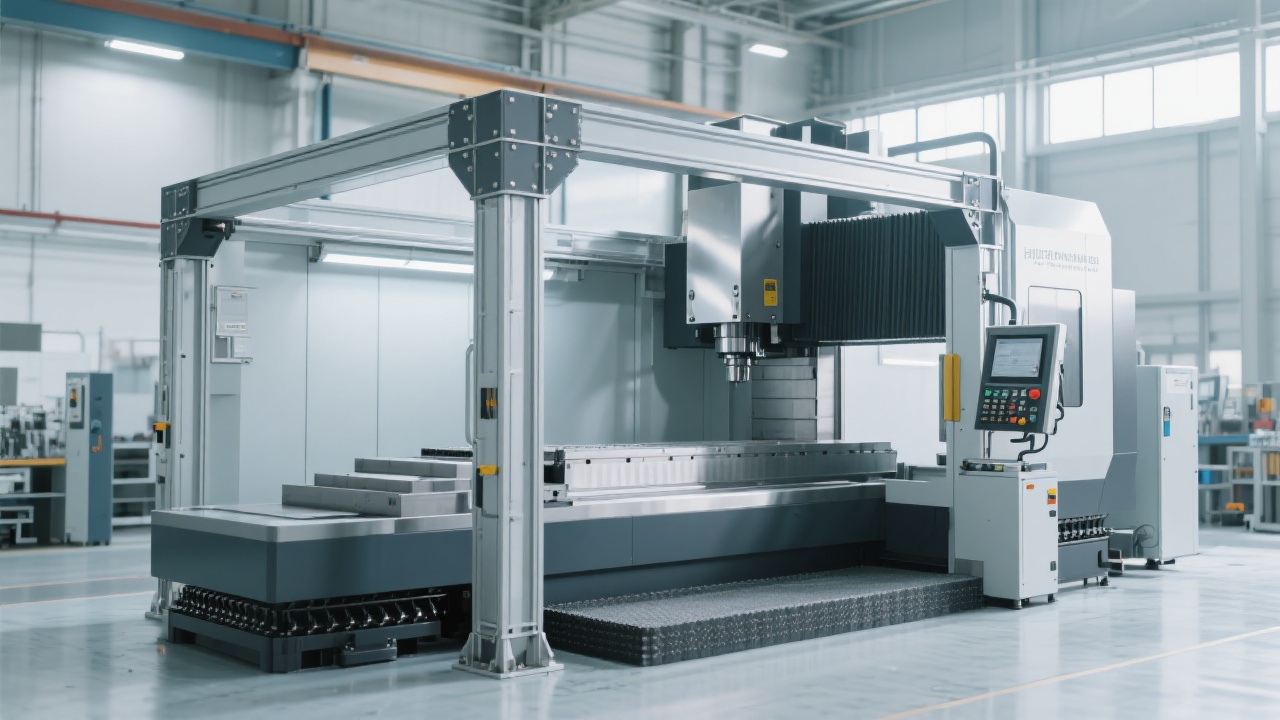
The rigid construction and powerful spindle options of gantry CNC mills allow them to process a wide spectrum of materials—from aluminum alloys to hardened steels and even titanium—without sacrificing accuracy. Conventional mills are often constrained to softer metals and plastics due to lower rigidity and spindle power.
Modular designs and easy access points on gantry CNC machines facilitate quick inspection, repairs, and part replacement. This practical advantage leads to a shorter mean time to repair (MTTR), helping manufacturers maintain high uptime—a key metric for operational profitability. Conversely, traditional milling machines usually require disassembly and longer stoppages for maintenance.

Leading five-axis gantry CNC installations in aerospace component manufacturing have demonstrated a 25% improvement in dimensional consistency and a 20% reduction in material waste compared to legacy conventional mills. In mechanical parts fabrication, throughput enhancements of 15-30% enabled fulfillment of aggressive delivery schedules while maintaining stringent tolerance levels (±0.01 mm).
Companies aiming to scale precision machining with cost control should prioritize capital expenditure on heavy-duty gantry CNC systems when handling mid-to-large size, complex parts or advanced materials. These machines’ superior accuracy, rigidity, and durability justify the higher upfront investment by reducing rework, downtime, and cycle time. Integrating continuous monitoring and predictive maintenance further optimizes ROI.
Note: Incorporating advanced software toolpath optimization and machine learning-based diagnostics can elevate gantry CNC capabilities, providing a competitive advantage in evolving manufacturing landscapes.


 <#else>


