High-Precision CNC Milling Machine Maintenance Tips to Enhance Processing Quality and Equipment Longevity
08 02,2026
Tutorial Guide
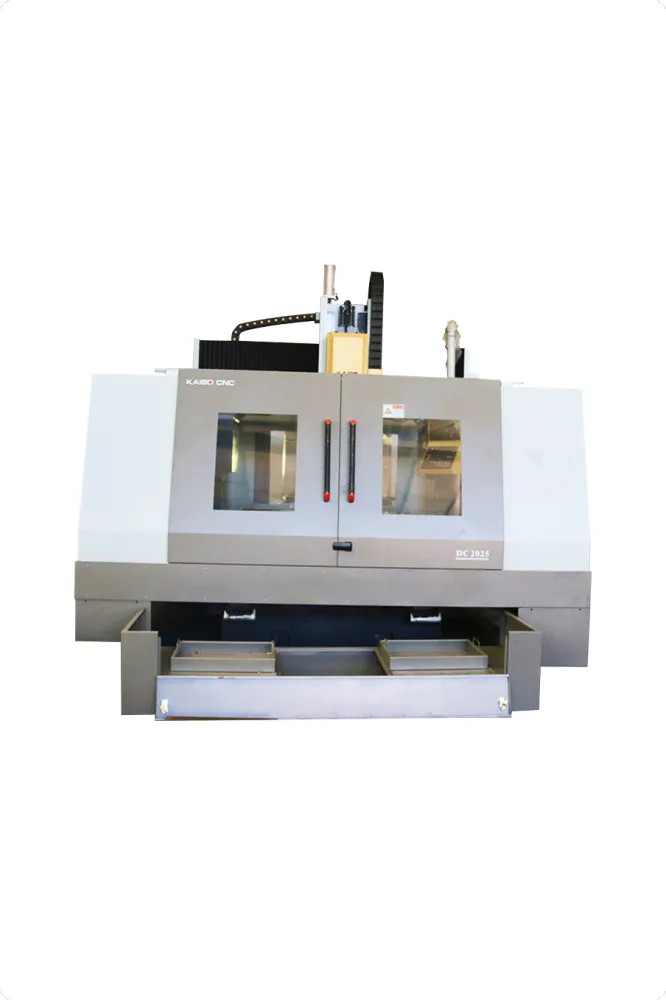
This article provides a comprehensive guide on maintaining and troubleshooting the Kaibo CNC high-precision high-speed milling machine model GJ8070. Focusing on daily care for the HSK high-speed spindle and Fanuc control system, it covers key inspection points of the dual-column vertical structure, along with common fault identification and resolution procedures. Combining detailed illustrations, practical case studies, and user feedback, this guide aims to help technicians improve machining quality and extend equipment service life. Additionally, it highlights Kaibo CNC's premium after-sales services to strengthen brand trust and competitiveness in manufacturing.
High-Precision CNC Milling Machine Maintenance: Essential Techniques to Enhance Machining Quality and Equipment Longevity
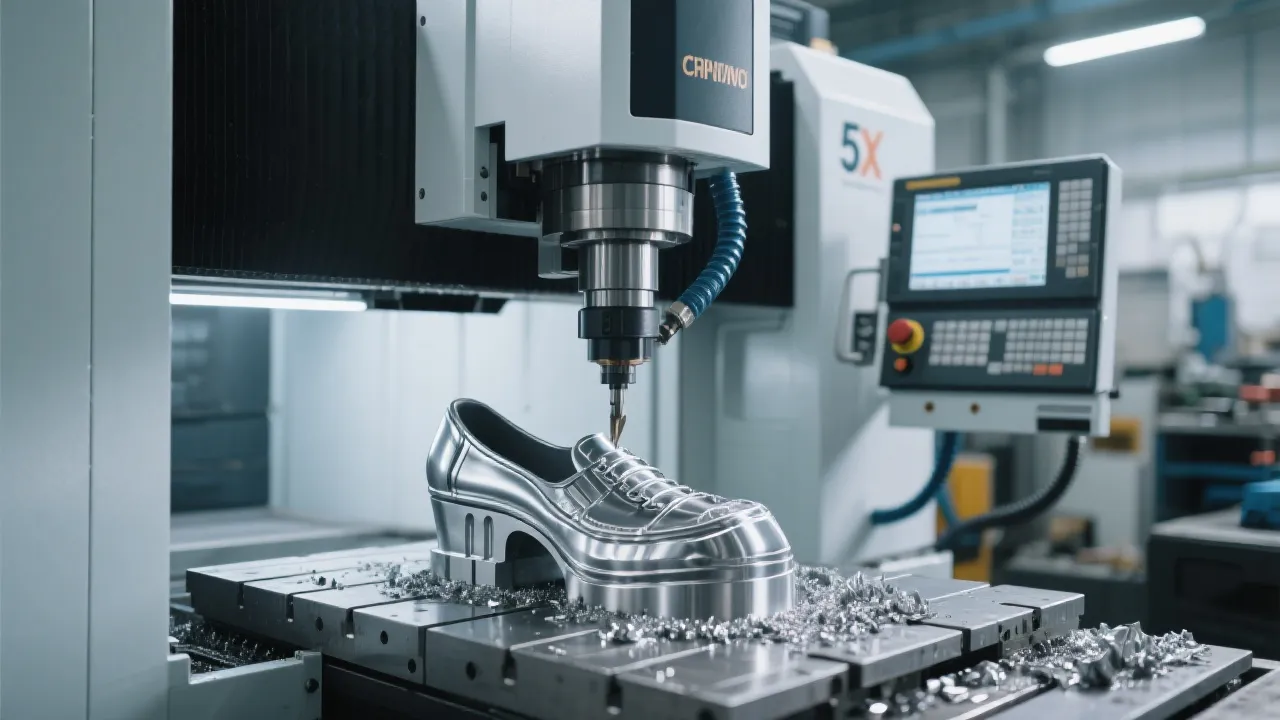
Maintaining the KaiBo CNC GJ8070 high-speed milling machine is vital for manufacturing enterprises striving for precision, efficiency, and operational stability. This guide provides practical maintenance and troubleshooting strategies focused on the machine’s core components: the HSK high-speed spindle, Fanuc control system, and the dual-column vertical structure. By implementing these targeted actions, technical teams can significantly improve machining accuracy and extend the service life of the equipment.
1. Maintenance of the HSK High-Speed Spindle
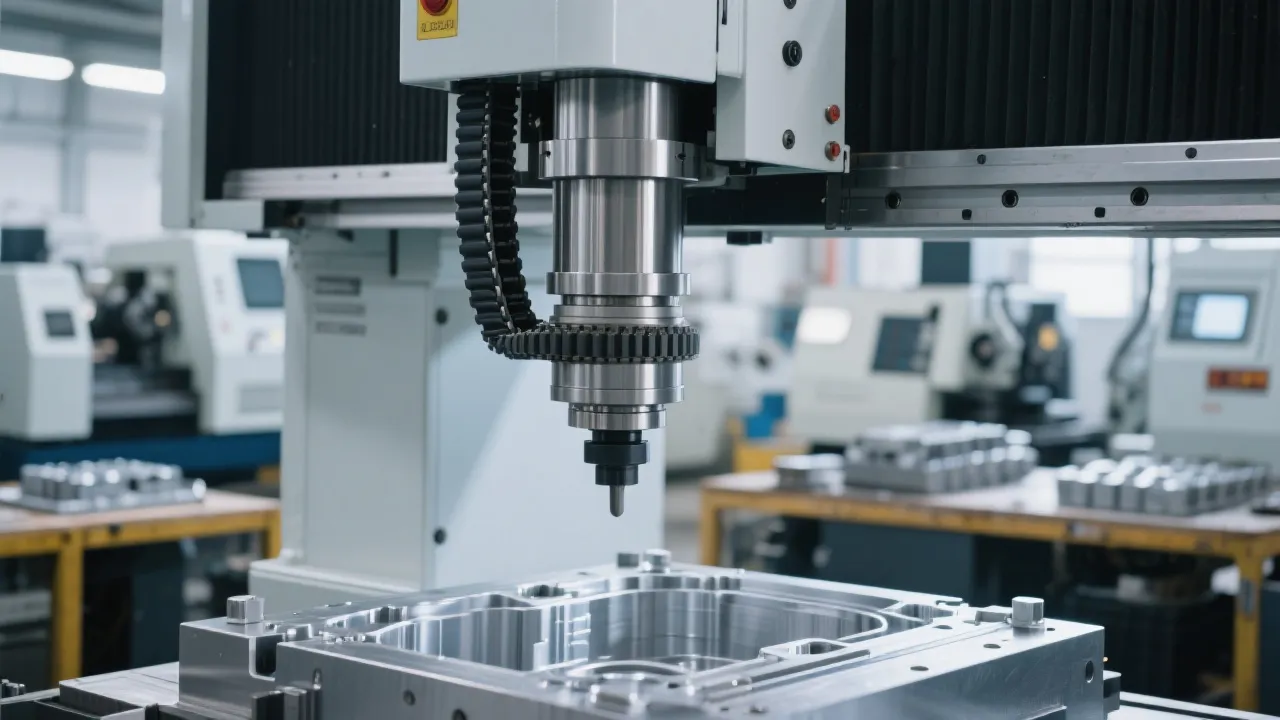
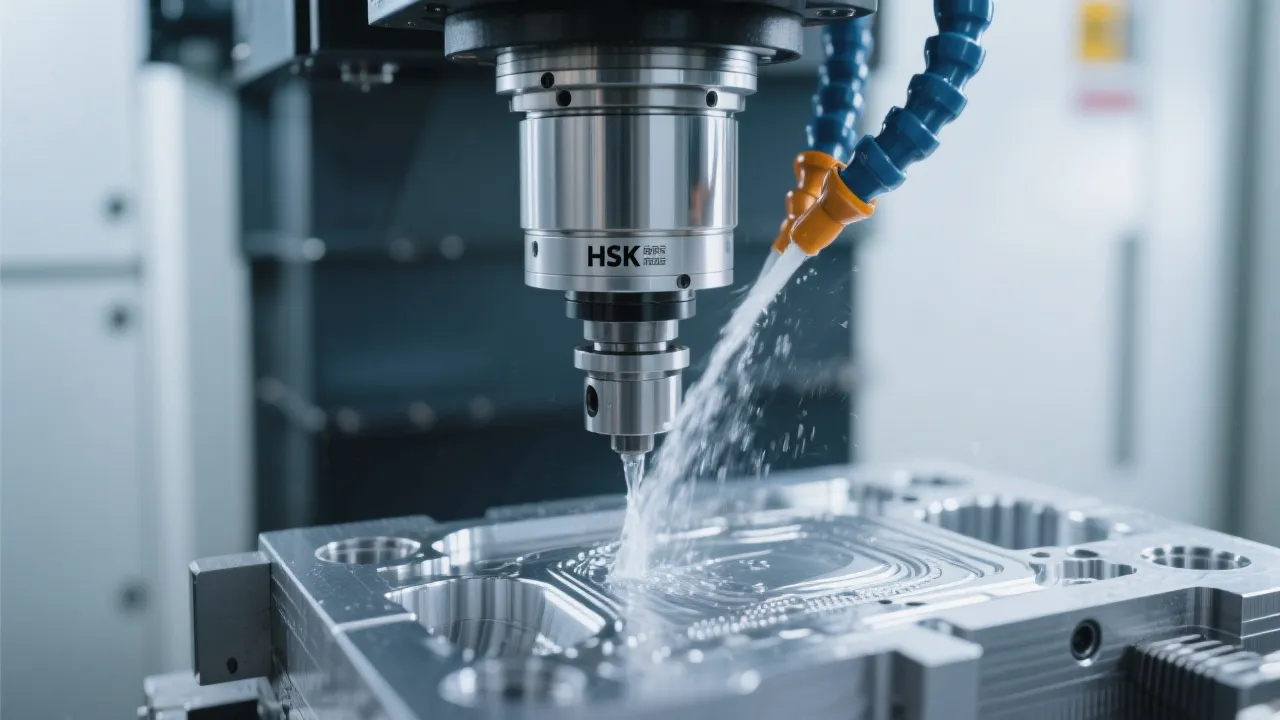
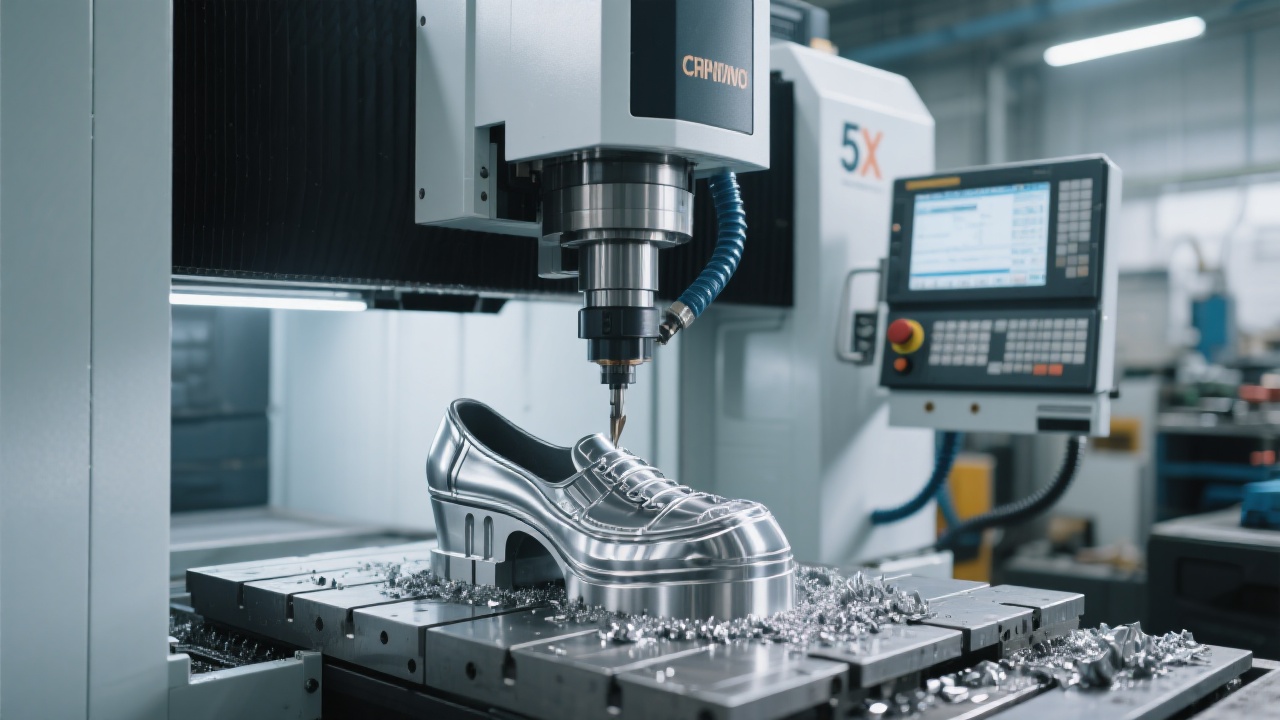
The HSK spindle is a critical asset responsible for the milling machine’s high-precision and high-speed performance. Its maintenance priority lies in ensuring clean operation and proper lubrication.
- Cleaning: Use lint-free cloths and approved solvents to remove coolant and debris after every 8-hour shift. Avoid abrasive materials that could damage spindle surfaces.
- Lubrication: Apply high-grade synthetic spindle oil following manufacturer’s instructions every 100 operational hours or monthly, whichever comes first.
- Inspection: Monthly visual inspections of the spindle taper and bearings help detect early signs of wear or contamination.
2. Fanuc Control System: Daily Calibration and Backup
The Fanuc control system governs the machine’s precision and operational parameters. Maintaining it flawlessly ensures consistent output quality.
- Daily Calibration: Conduct automatic axis calibration at start-up to detect deviations exceeding 0.01 mm, critical for ultra-precision milling.
- Backup Procedures: Schedule weekly data backups of all CNC programs and parameter settings to external storage or cloud platforms to prevent data loss caused by software faults.
- Software Updates: Integrate Fanuc firmware patches every quarter to enhance system stability and security.
3. Dual-Column Vertical Structure: Mechanical Status Checks
The GJ8070’s dual-column design ensures rigidity and vibration resistance, but requires routine checks to maintain mechanical integrity.
- Structural Fasteners: Inspect torque on all critical bolts monthly to maintain precise alignment—re-torque to specifications if looseness exceeds 5%.
- Guide Rail Lubrication: Use manufacturer-recommended grease every 300 machine hours to prevent wear and corrosion.
- Vibration Analysis: Quarterly vibration tests using accelerometers detect imbalances in spindle or column, preventing premature part failures.
4. Common Fault Diagnosis and Resolution Workflow
Understanding and swiftly addressing typical faults can reduce downtime by up to 30%, maximizing production efficiency.
- Spindle Overheat: Check lubrication levels, cooling system function, and errant debris. Replace spindle bearings if vibration persists beyond 0.005 g RMS.
- Control Panel Errors: Refer to Fanuc error codes; reboot system after backing up data; if error persists, conduct hardware diagnostics focused on servo drives.
- Inconsistent Machining Tolerance: Verify tool calibration, axis backlash settings, and spindle runout. Recalibrate axes if deviations exceed 0.01 mm.
5. Enhancing User Experience Through KaiBo CNC After-Sales Services
KaiBo CNC provides a free warranty on the GJ8070 alongside 24/7 technical support, ensuring users have immediate assistance and sustained machine uptime. Regularly updated maintenance tutorials, expert Q&A sessions, and video demonstrations integrated within the KaiBo knowledge base empower operators at all skill levels. These services foster long-term partnerships, bolstering trust and competitive advantage in the manufacturing sector.