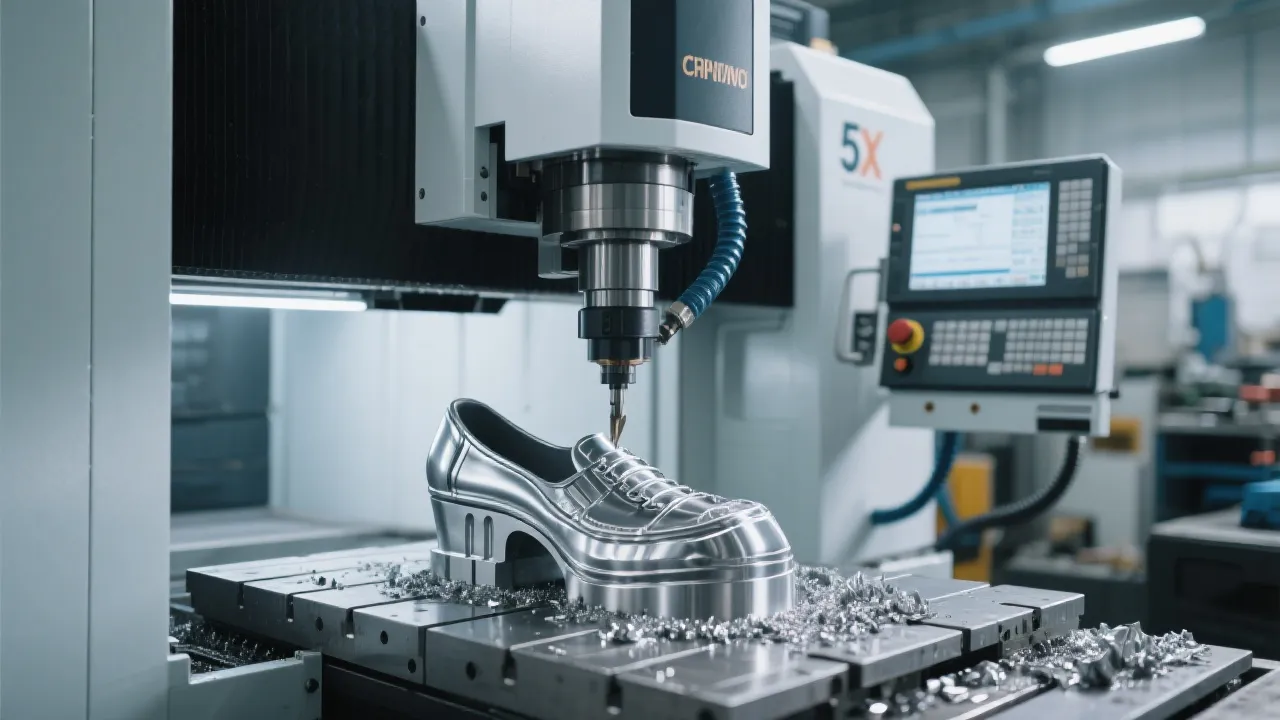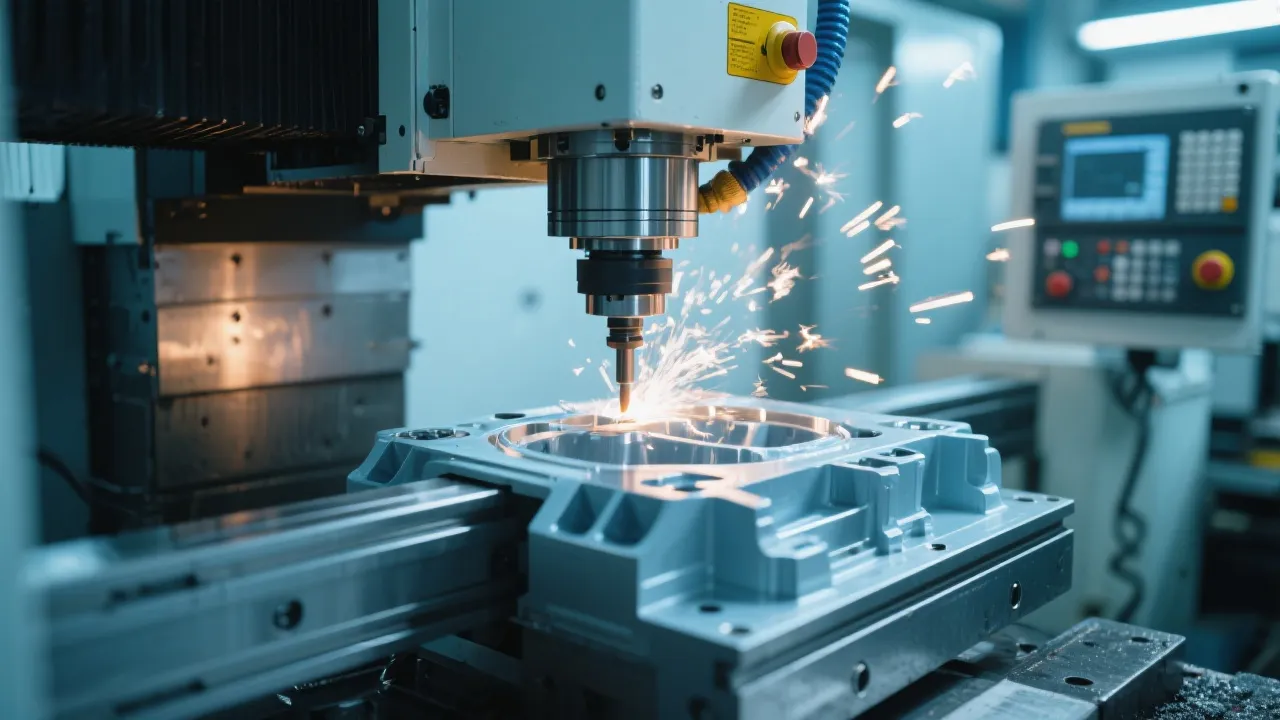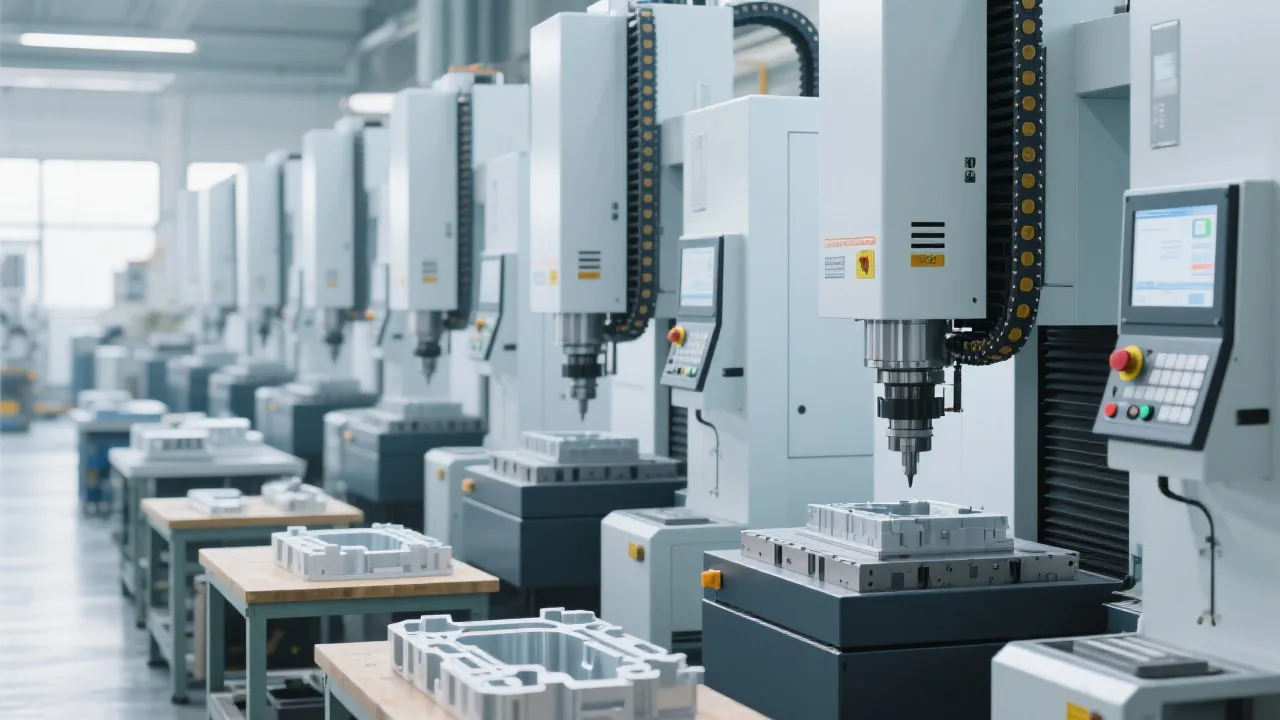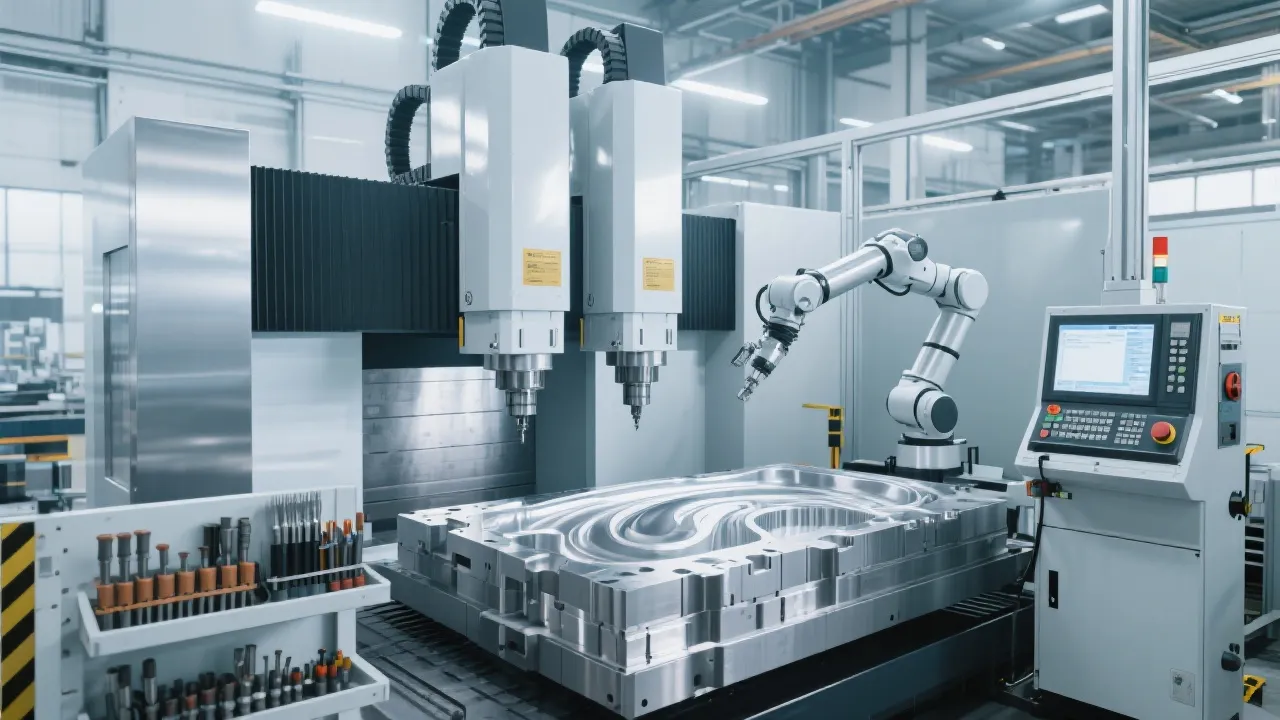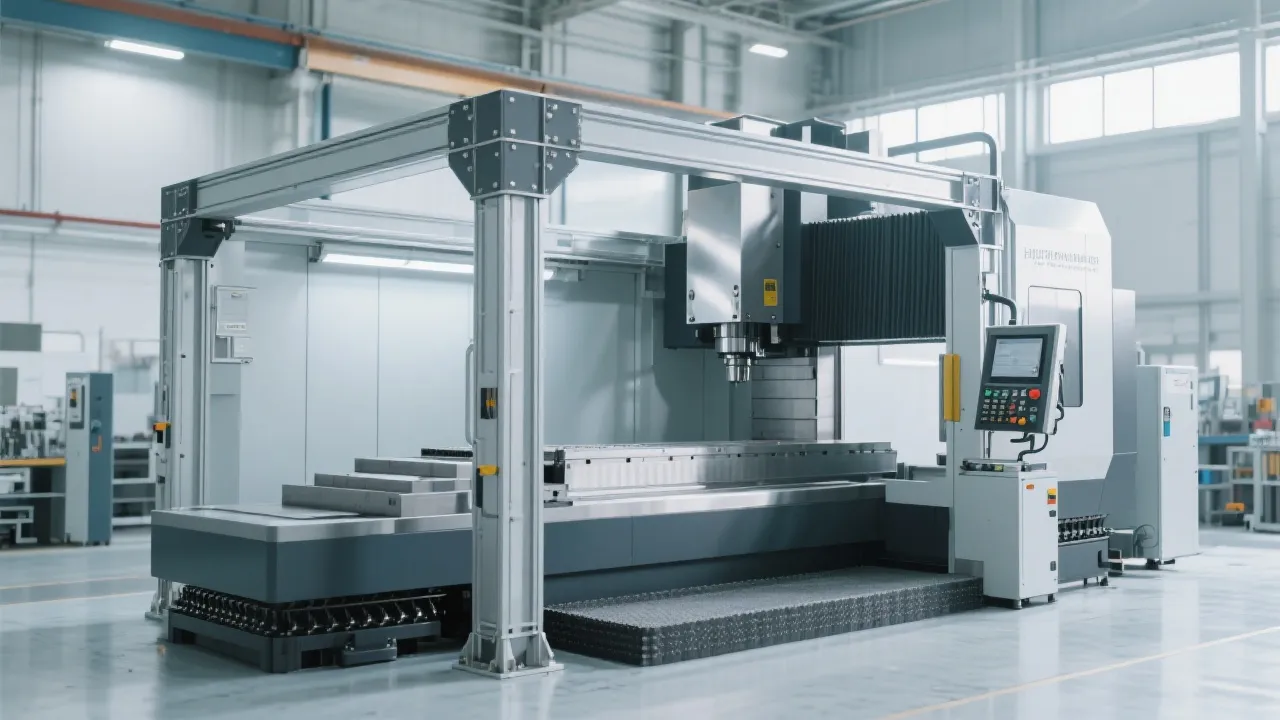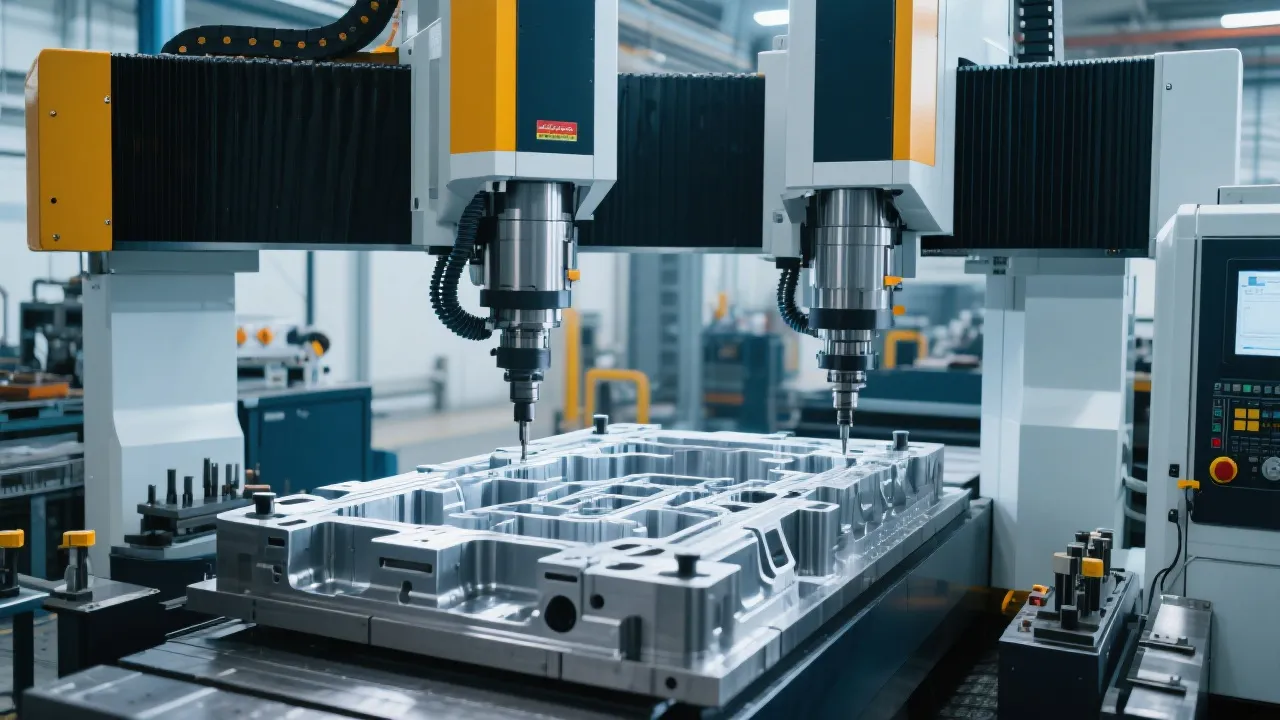
In the realm of high - end precision manufacturing, achieving a smooth mold surface with a surface roughness (Ra) value below 0.8μm is a crucial requirement. The Kaibo CNC high - precision high - speed CNC milling machine GJ8070 offers an effective solution to this challenge. This article will delve into the key technologies and parameter optimization strategies to help manufacturing engineers enhance milling surface quality and production efficiency.
In modern manufacturing, the quality of mold surfaces directly affects the performance and appearance of the final products. A lower Ra value means a smoother surface, which can improve the wear resistance, corrosion resistance, and aesthetic appeal of the mold. The demand for high - precision mold surface processing is increasing, especially in industries such as automotive, aerospace, and consumer electronics. However, achieving a Ra value below 0.8μm is not an easy task, as it requires advanced machine tools and precise processing techniques.
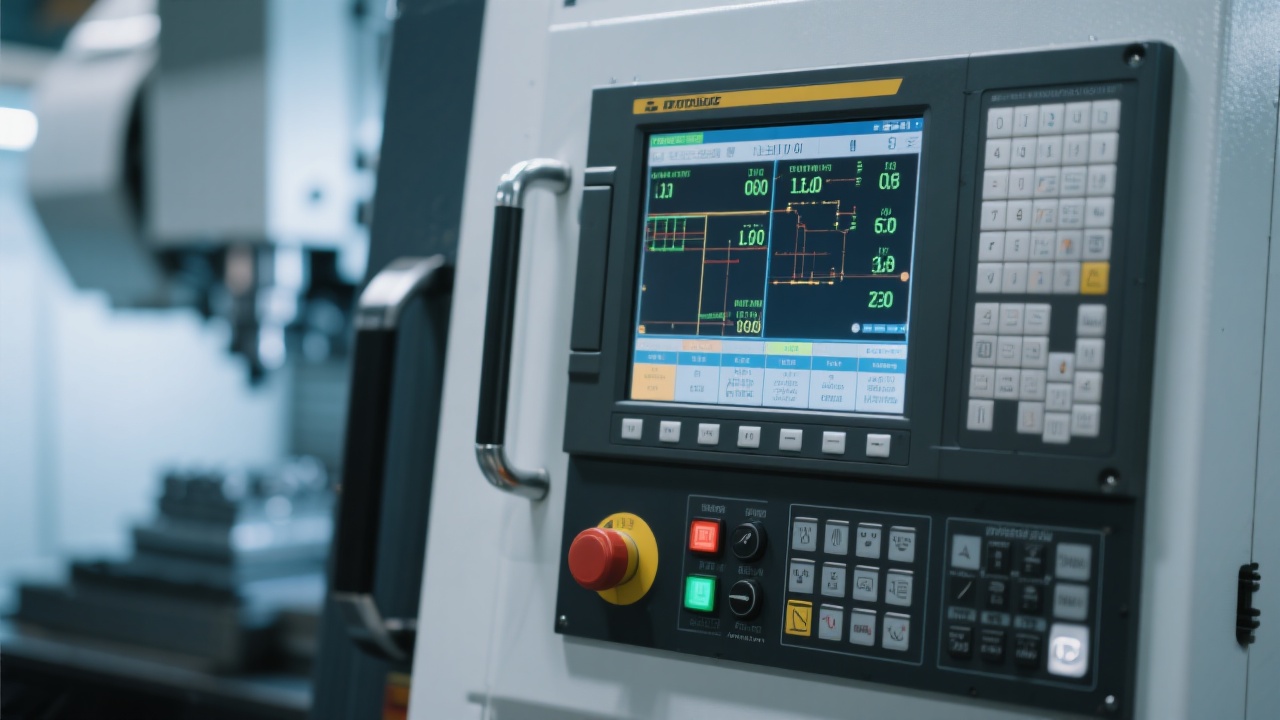
The Fanuc control system is a core component of the Kaibo CNC milling machine GJ8070. It plays a vital role in controlling the machining accuracy and optimizing the machining path. With its high - speed processing capabilities and advanced algorithms, the Fanuc control system can precisely control the movement of the milling cutter, ensuring high - precision machining. For example, it can adjust the feed rate, spindle speed, and cutting depth in real - time according to the machining requirements, thereby improving the surface quality of the mold. In practical applications, the use of the Fanuc control system can reduce the surface roughness by up to 30% compared to traditional control systems.
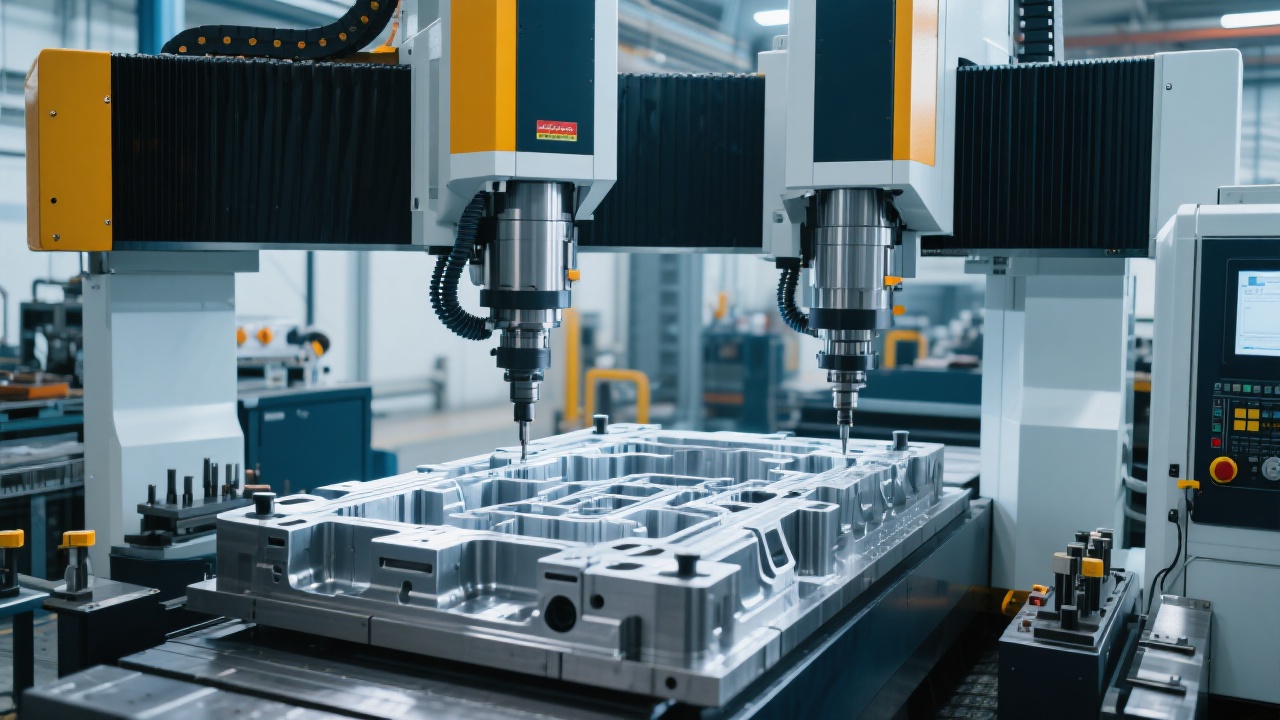
The HSK high - speed spindle is another key factor in achieving high - quality mold surface processing. It can rotate at a high speed, typically up to 12,000 - 20,000 revolutions per minute, which significantly improves the machining efficiency. At the same time, the high - speed rotation of the spindle can also reduce the cutting force and heat generation, thereby improving the surface quality of the mold. For instance, in some high - precision mold processing projects, the use of the HSK high - speed spindle can increase the machining efficiency by 20% - 30% and reduce the surface roughness by about 25%.
The double - column structure of the Kaibo CNC milling machine GJ8070 provides excellent mechanical rigidity and stability. During the machining process, the double - column structure can effectively resist the cutting force and vibration, ensuring the stability of the machining process. This is particularly important for high - precision machining, as any small vibration or instability can affect the surface quality of the mold. According to experimental data, the double - column structure can reduce the vibration amplitude by more than 50% compared to single - column structures, thereby improving the surface quality of the mold.
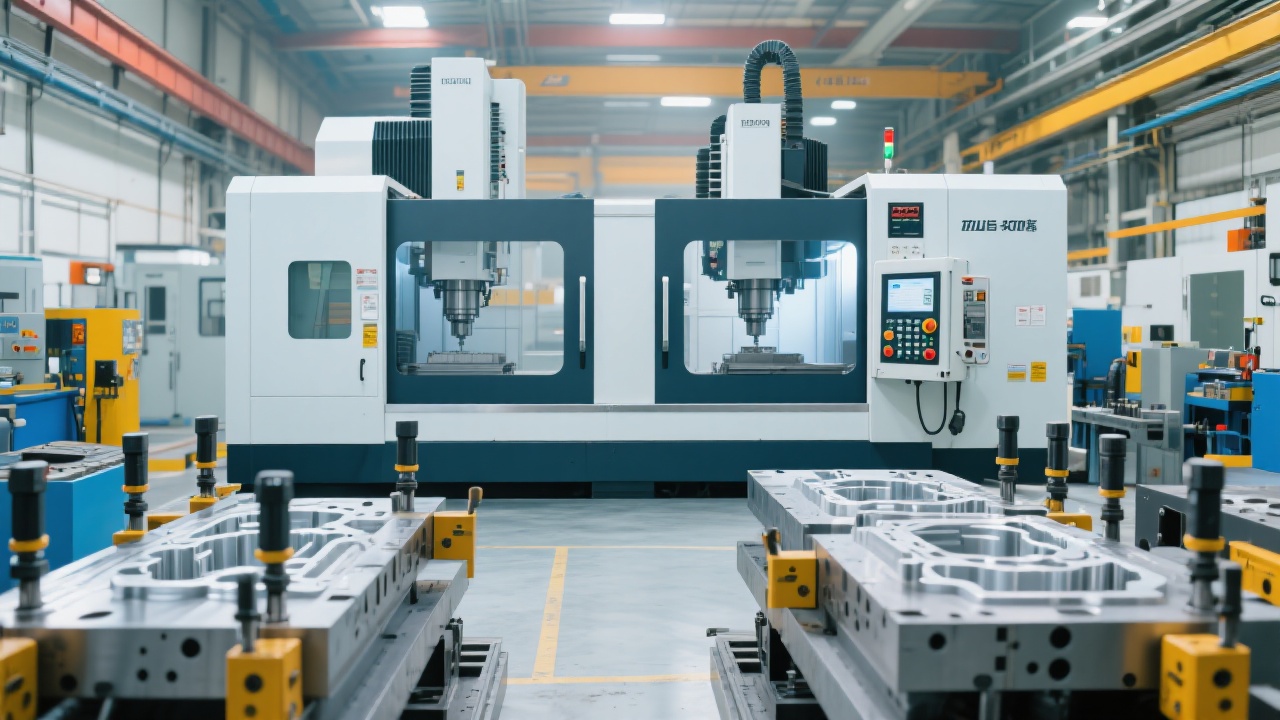
Optimizing cutting parameters is an important step in achieving a Ra value below 0.8μm. Cutting parameters such as cutting speed, feed rate, and cutting depth need to be carefully selected according to the material of the mold, the geometry of the part, and the requirements of the surface quality. For example, when machining hard materials, a lower cutting speed and feed rate may be required to ensure the surface quality. On the contrary, for soft materials, a higher cutting speed and feed rate can be used to improve the machining efficiency. By using simulation software, engineers can predict the machining results in advance and adjust the cutting parameters accordingly.
Let's take a practical application case as an example. A mold manufacturing company used the Kaibo CNC milling machine GJ8070 to process a complex mold. By optimizing the Fanuc control system, using the HSK high - speed spindle, and taking advantage of the double - column structure, they successfully achieved a Ra value of 0.7μm on the mold surface. The production efficiency was also significantly improved, with the processing time reduced by 25% compared to the previous method. This case shows that by using the right technologies and optimization strategies, it is possible to achieve high - quality mold surface processing.
In conclusion, the Kaibo CNC high - precision high - speed CNC milling machine GJ8070, with its advanced Fanuc control system, HSK high - speed spindle, and double - column structure, provides a reliable solution for achieving a Ra value below 0.8μm on mold surfaces. By optimizing cutting parameters and using simulation technology, manufacturing engineers can further improve the surface quality and production efficiency. If you want to learn more about the detailed technical information and parameter optimization strategies, click here to get the technical whitepaper.