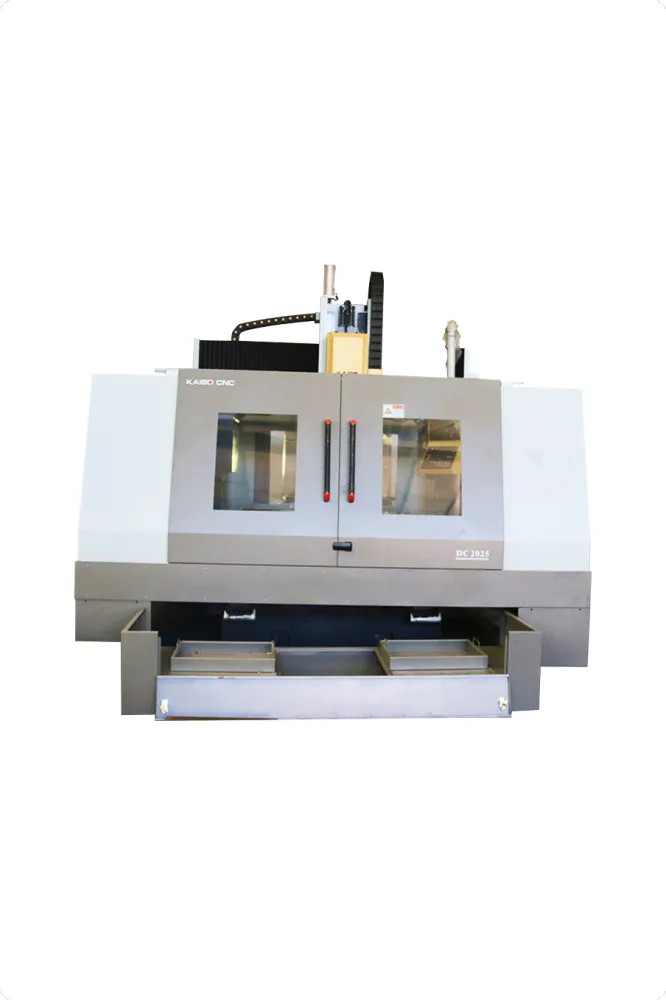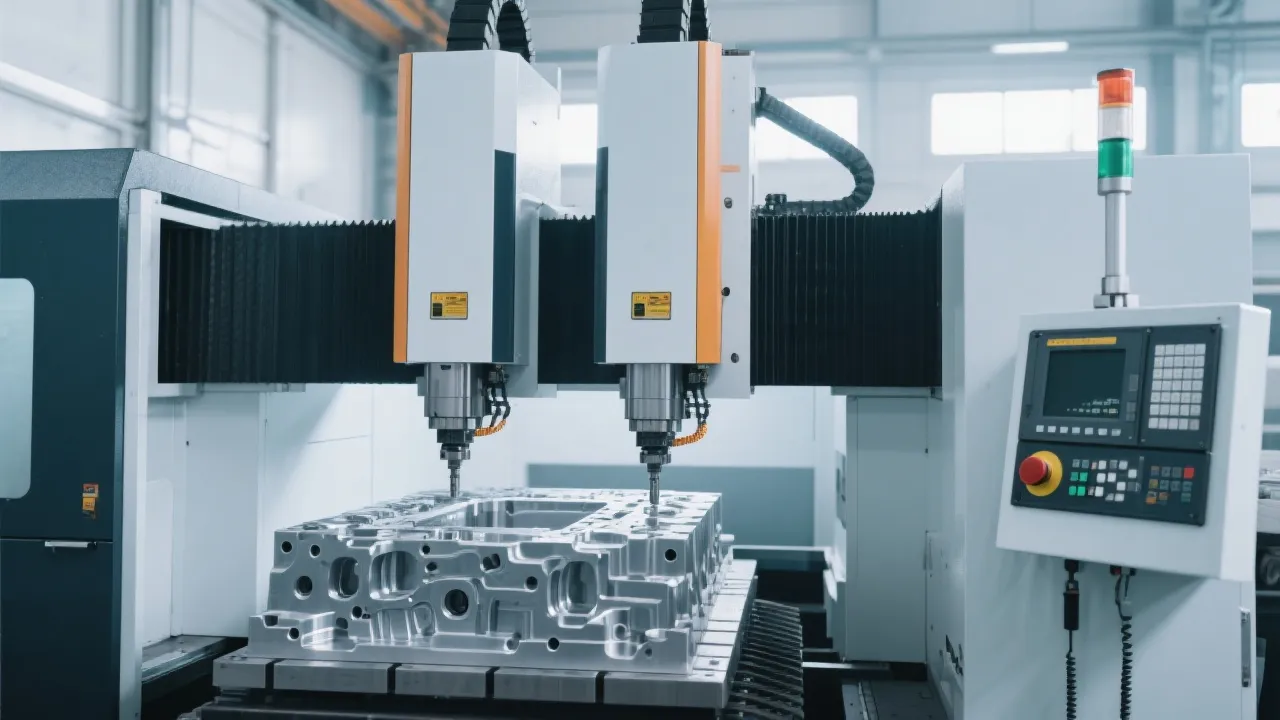
In the field of mold manufacturing, the smooth surface treatment of molds is of great significance. High-precision CNC milling machines play a crucial role in this process. This article focuses on the key technologies of high-precision CNC milling machines in smooth surface treatment, taking the Kaibo CNC GJ8070 double-column high-speed vertical machining center as an example.
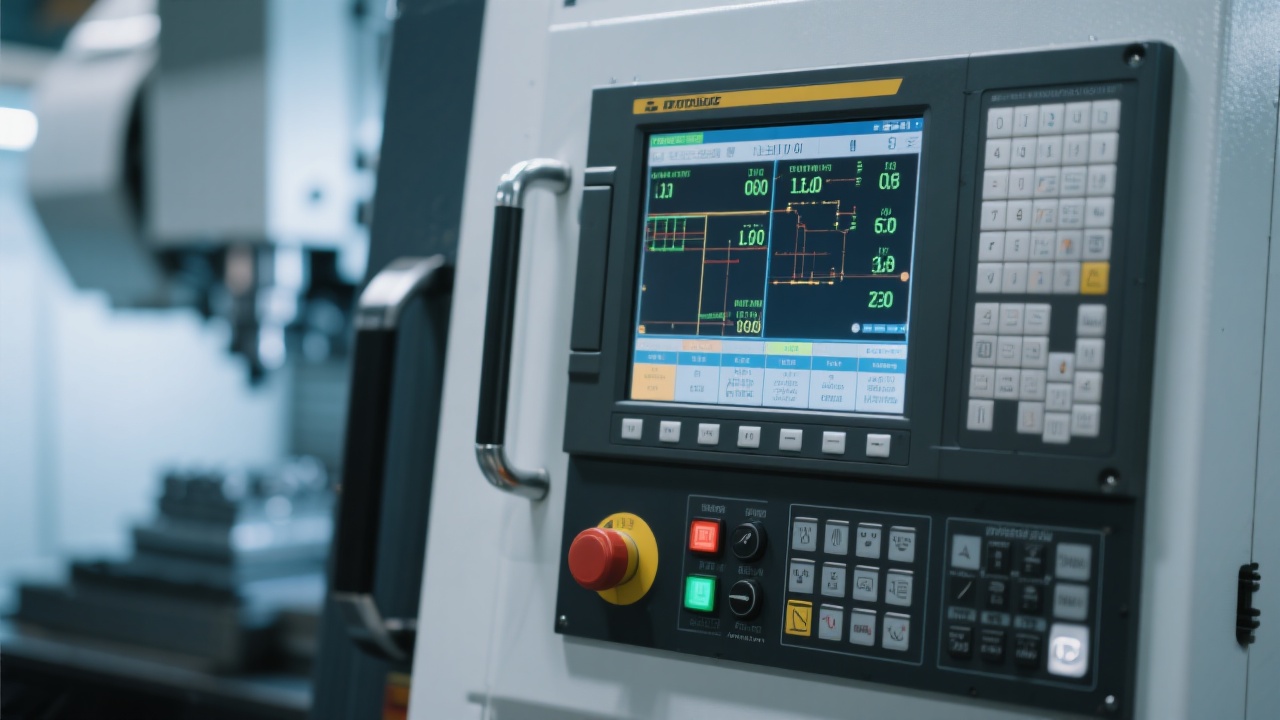
The Kaibo CNC GJ8070 is equipped with the Fanuc advanced control system. This system has excellent error control and path compensation capabilities. In the process of mold surface machining, errors are inevitable. However, the Fanuc control system can accurately detect and correct these errors. For example, in a typical mold manufacturing project, the system can reduce the machining error to within ±0.005mm, which greatly improves the machining accuracy.
The path compensation function of the Fanuc system is also very important. It can adjust the machining path in real-time according to the actual situation of the workpiece, ensuring that the milling process is carried out along the optimal path. This not only improves the surface quality of the mold but also enhances the machining efficiency. As shown in Figure 1, it clearly shows the effect of the path compensation function on improving the machining path.
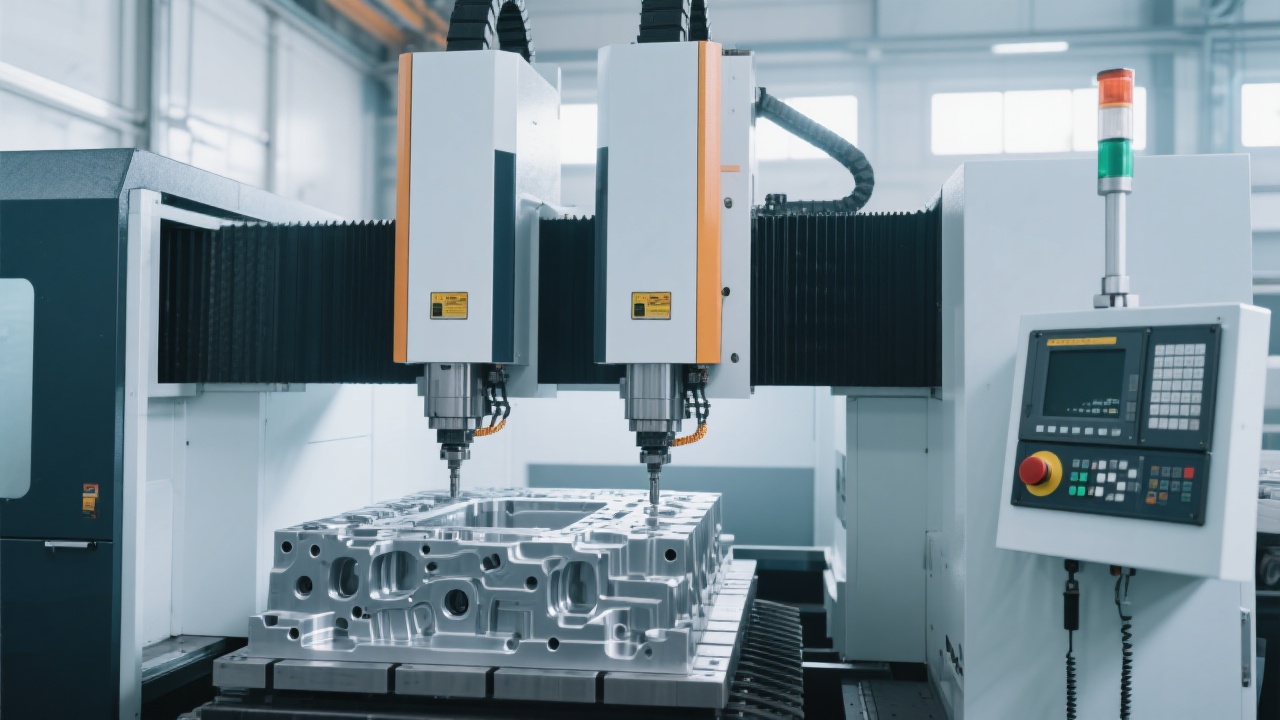
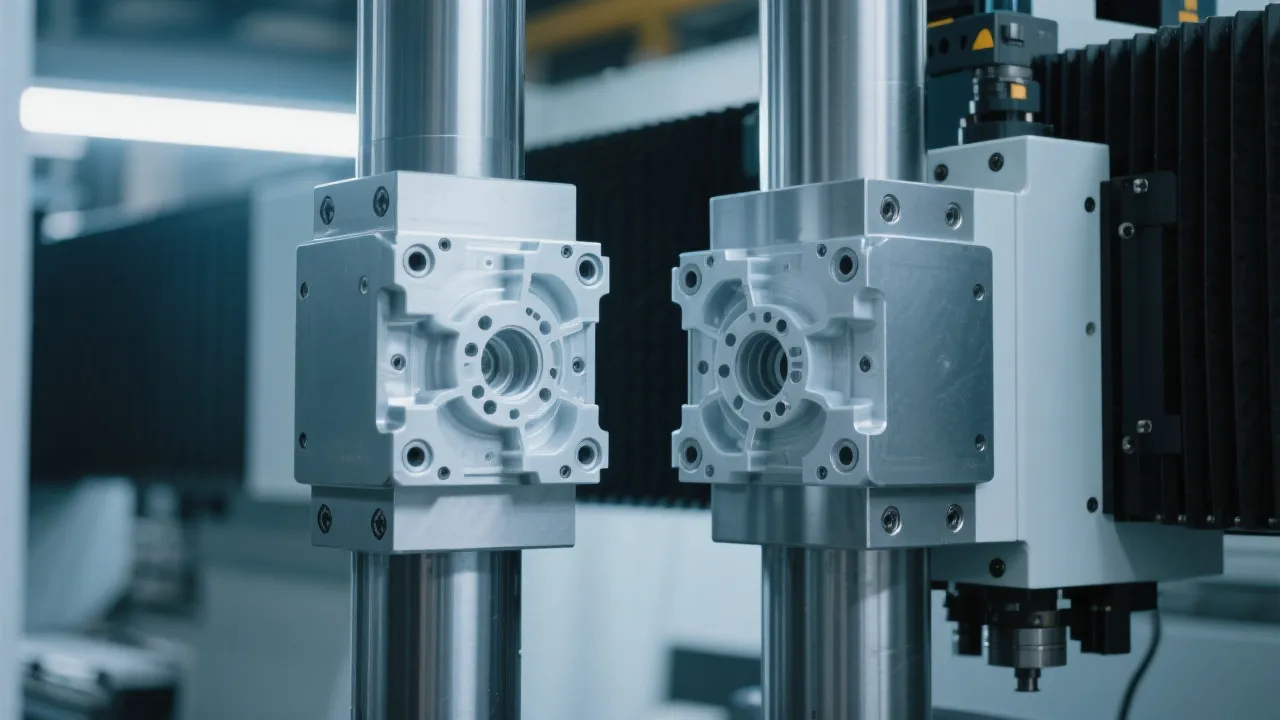
The HSK high-speed spindle used in the Kaibo CNC GJ8070 has significant advantages in terms of rigidity and thermal stability. Rigidity is the key to ensuring the accuracy of machining. The HSK spindle has a high rigidity design, which can effectively resist the cutting force during the machining process, reducing the vibration and deformation of the tool. This is very important for achieving a smooth surface of the mold.
Thermal stability is another important factor. During high-speed machining, the spindle will generate a large amount of heat, which may affect the machining accuracy. The HSK spindle has a good heat dissipation design, which can keep the temperature of the spindle stable. For example, in a long-time continuous machining process, the temperature rise of the HSK spindle can be controlled within 10°C, ensuring the stability of the machining process. As shown in Figure 2, it shows the relationship between the spindle temperature and the machining time.
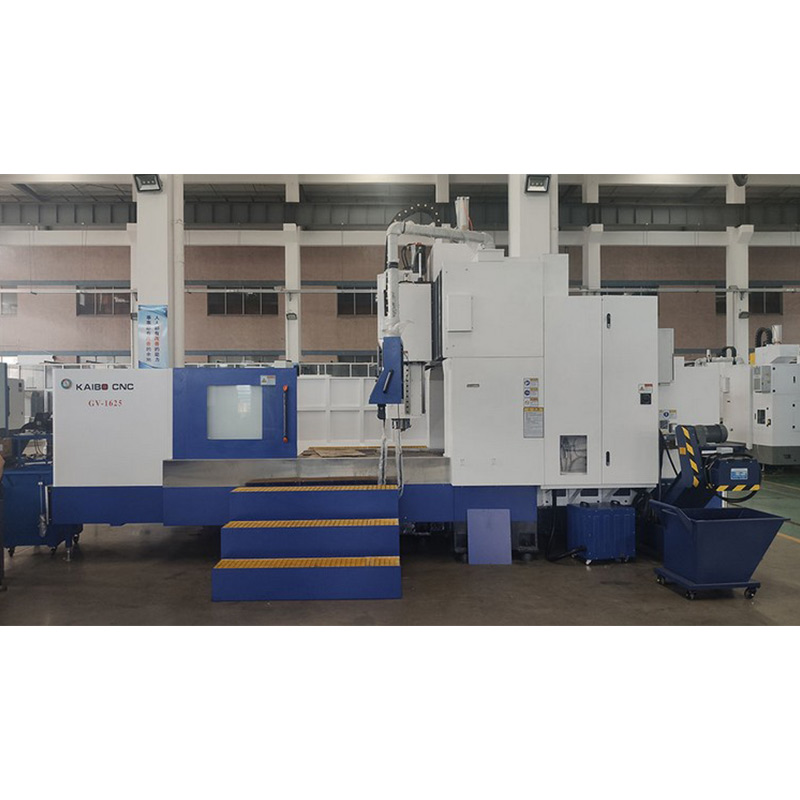
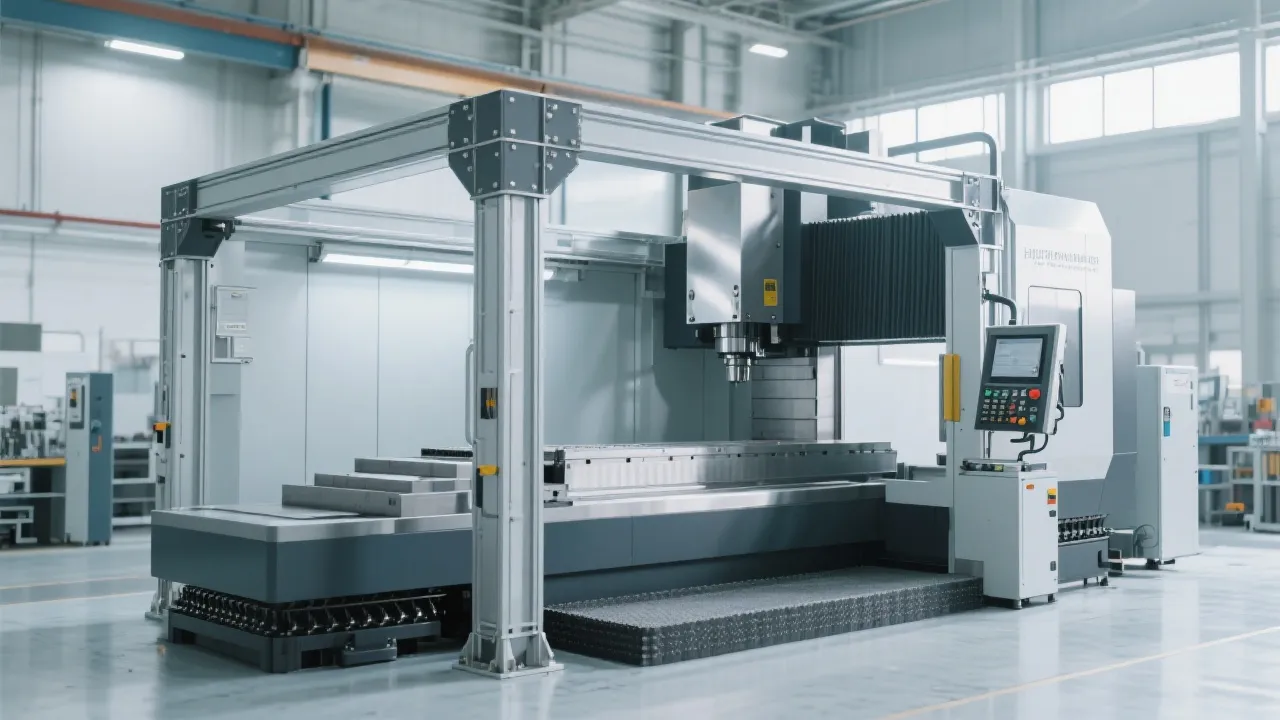
The double-column structure of the Kaibo CNC GJ8070 provides strong support for the overall rigidity of the machine tool. Compared with the single-column structure, the double-column structure can better resist the cutting force and ensure the stability of the machining process. In the process of mold machining, especially for large-scale and high-precision molds, the stability of the machine tool is crucial.
The double-column structure also helps to improve the machining consistency. It can ensure that the machining parameters remain stable throughout the machining process, reducing the influence of external factors on the machining quality. As shown in Figure 3, it compares the machining consistency of the double-column and single-column structures.
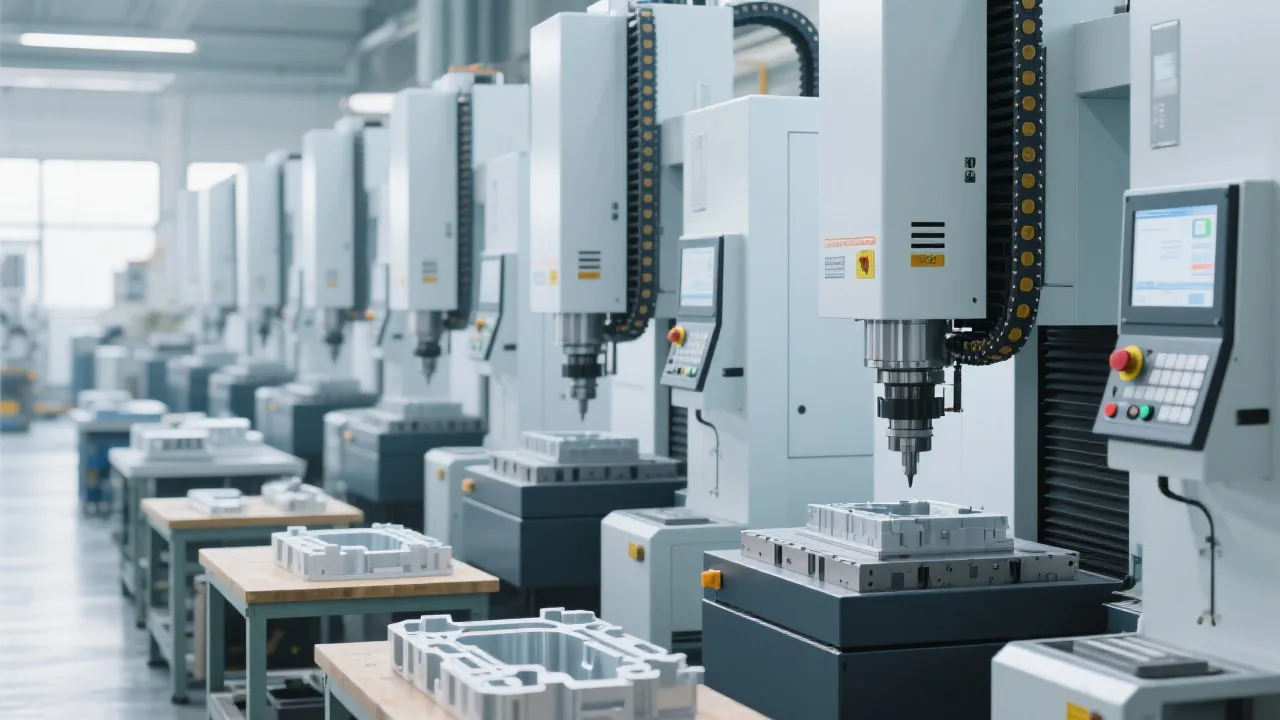
In addition to the above key technologies, parameter optimization is also an important part of improving the machining quality. This article provides practical guidance on cutting parameter optimization and cutting strategy adjustment. For example, in the process of rough machining, a larger cutting depth and feed rate can be used to improve the machining efficiency. While in the process of finishing, a smaller cutting depth and feed rate should be used to ensure the surface quality.
Through simulation and case analysis, it is found that by optimizing the cutting parameters, the surface roughness of the mold can be reduced by about 30%, and the machining efficiency can be improved by about 20%. This not only helps to solve the problems of surface roughness and consistency in machining but also enhances the brand competitiveness of the enterprise.
In conclusion, the Kaibo CNC GJ8070 double-column high-speed vertical machining center, with its advanced Fanuc control system, HSK high-speed spindle technology, and double-column structure, provides a reliable solution for the smooth surface treatment of molds. If you want to learn more about the detailed technical information, please download our technical white paper.