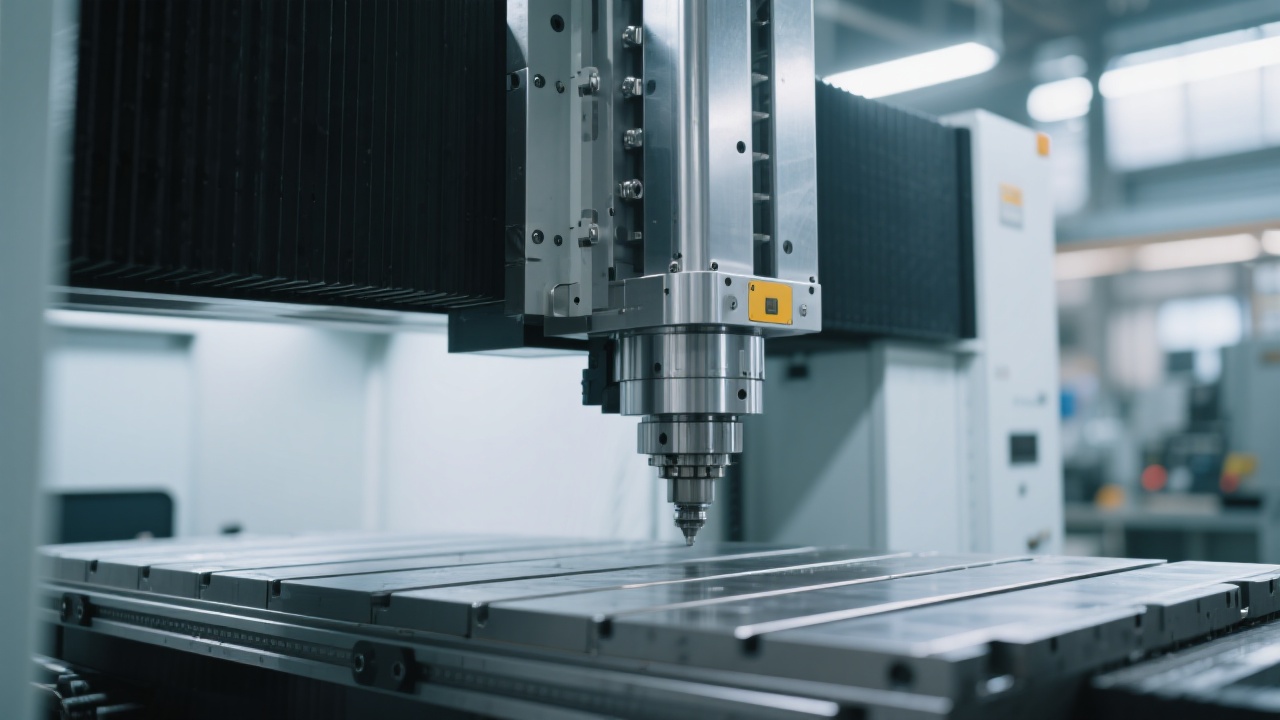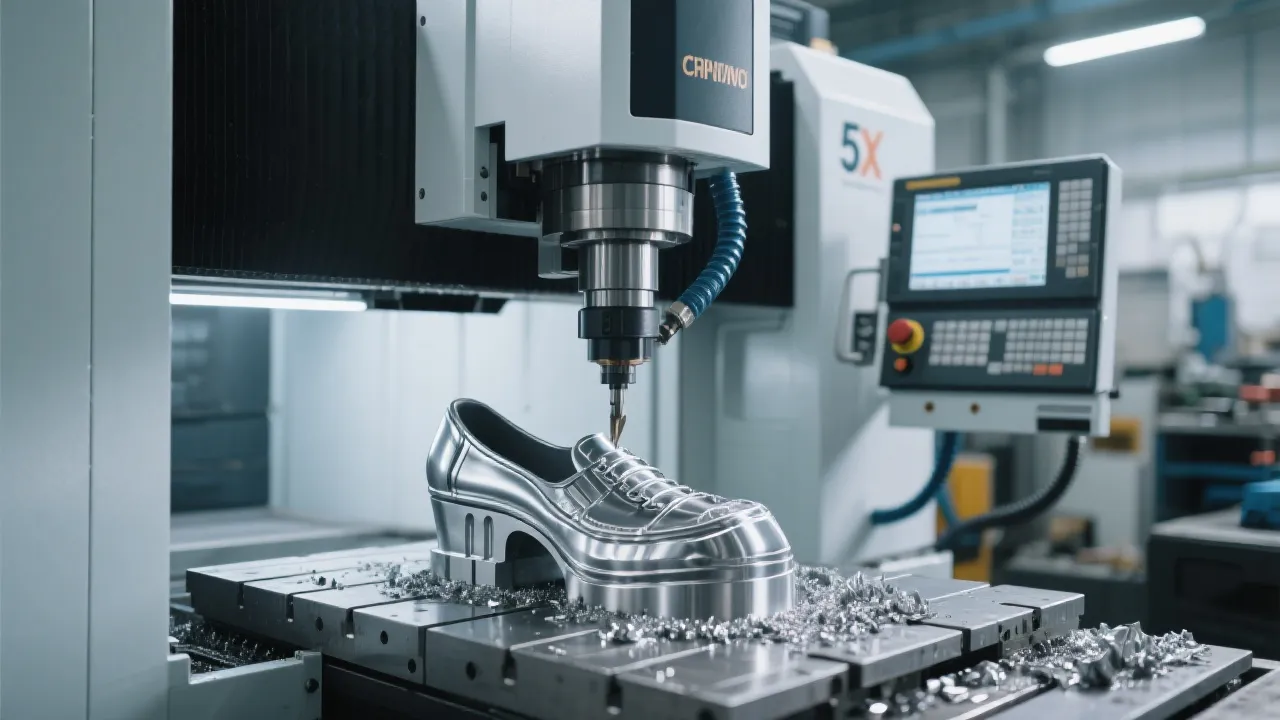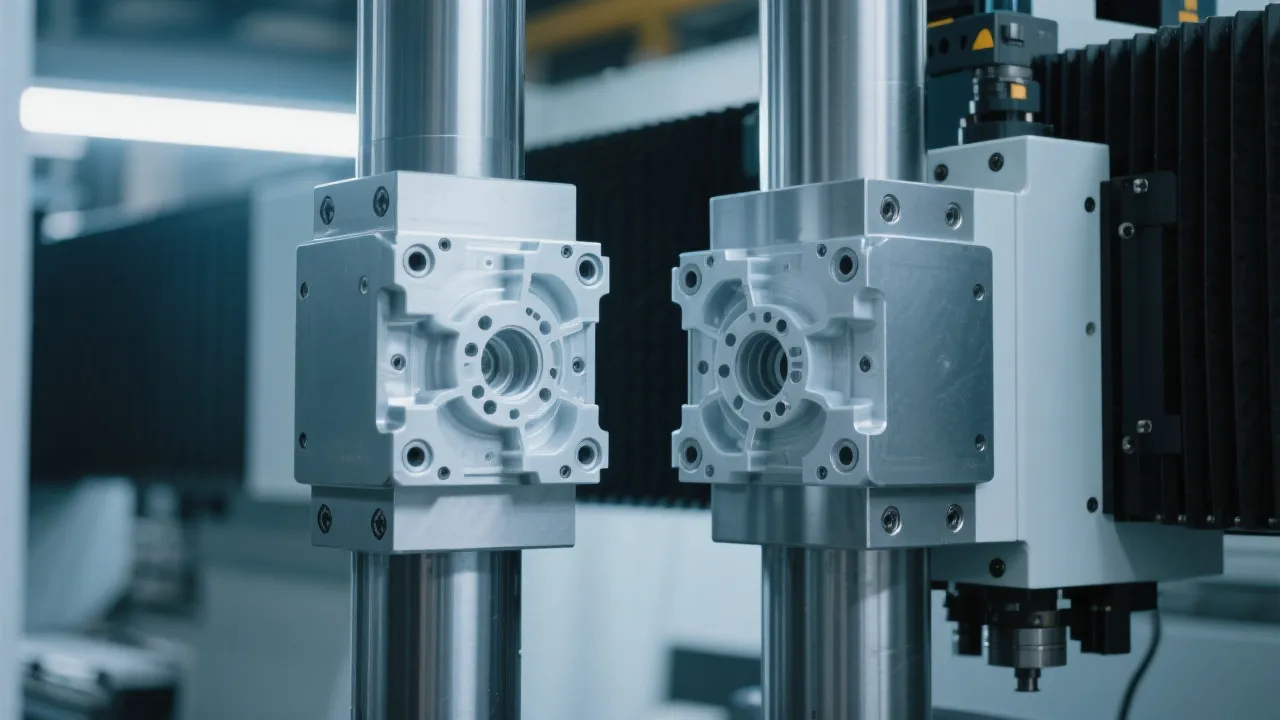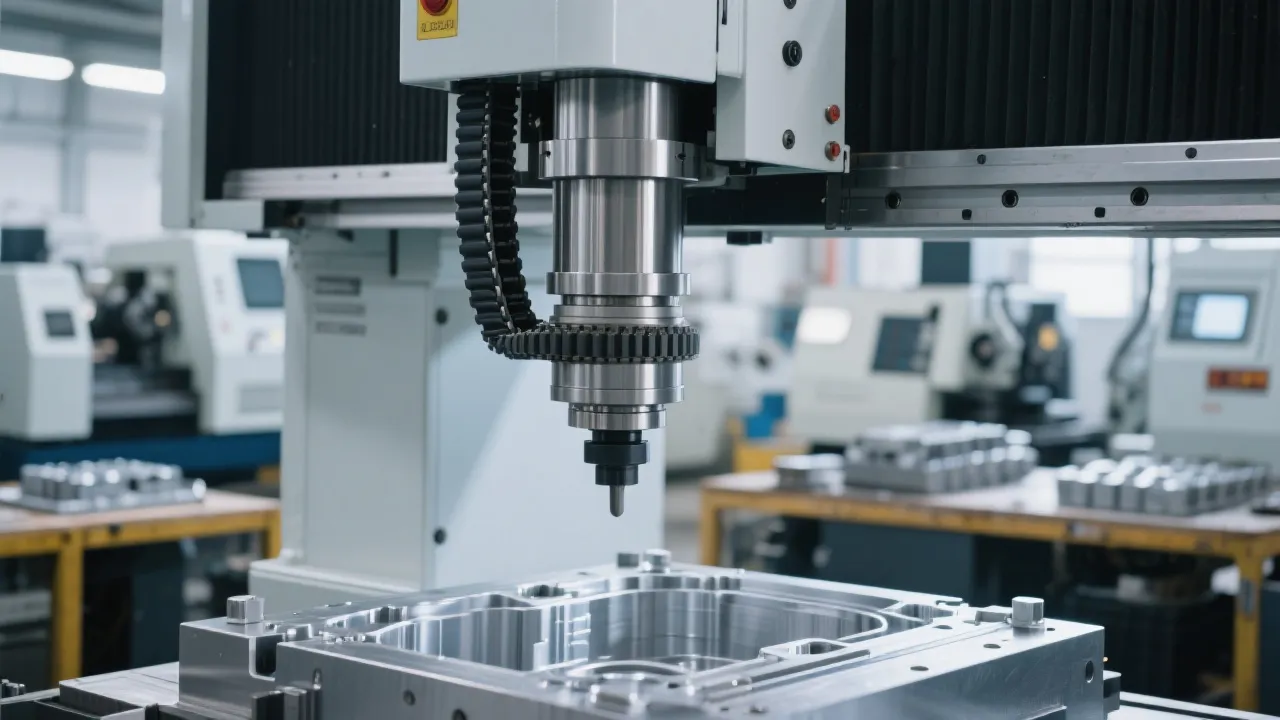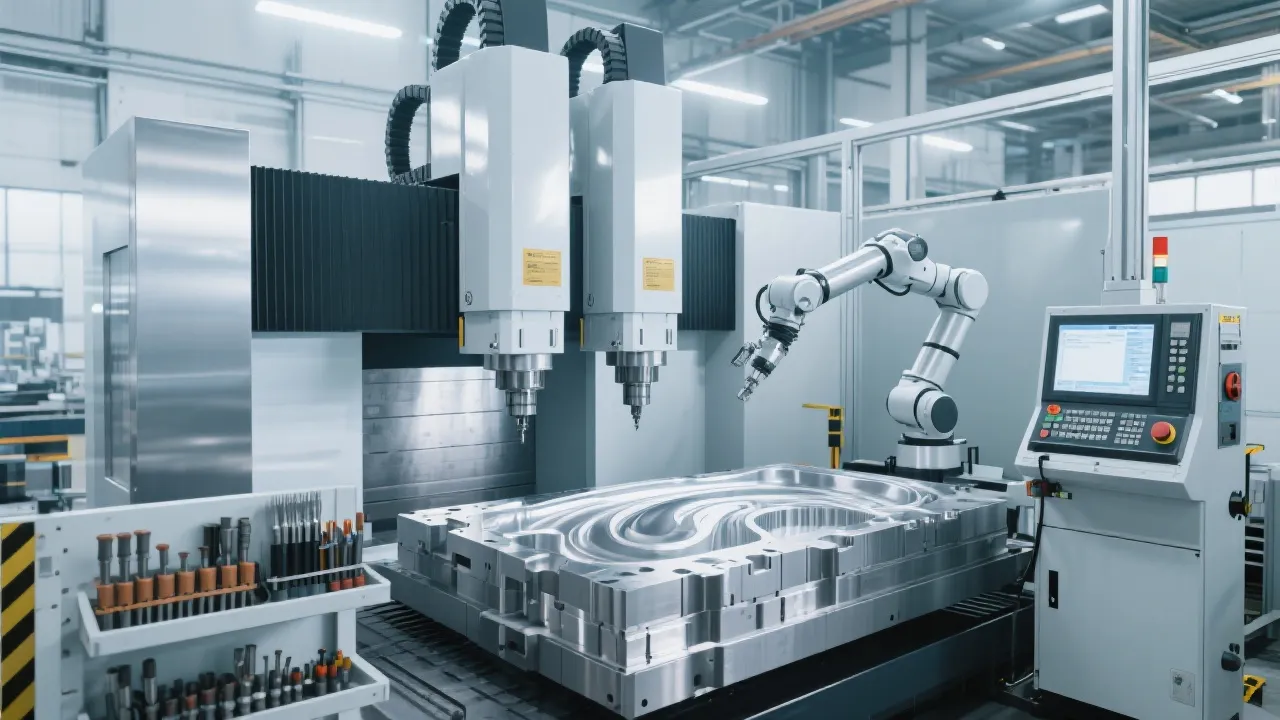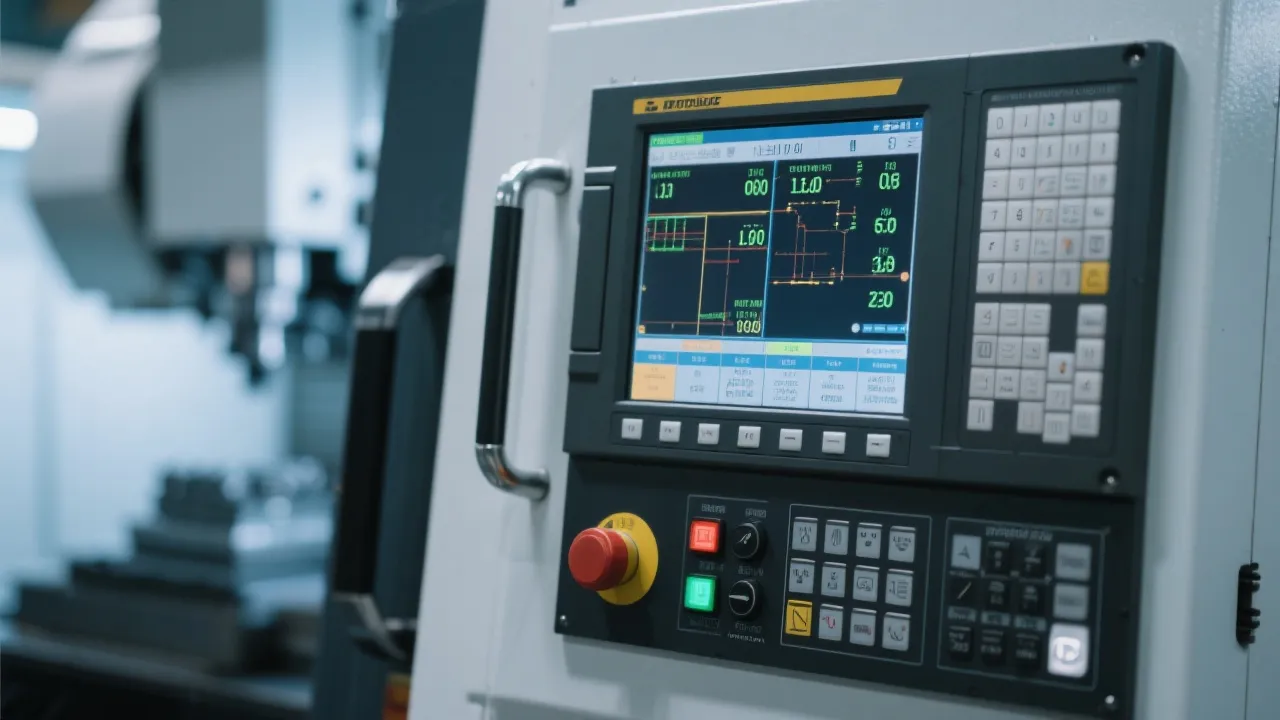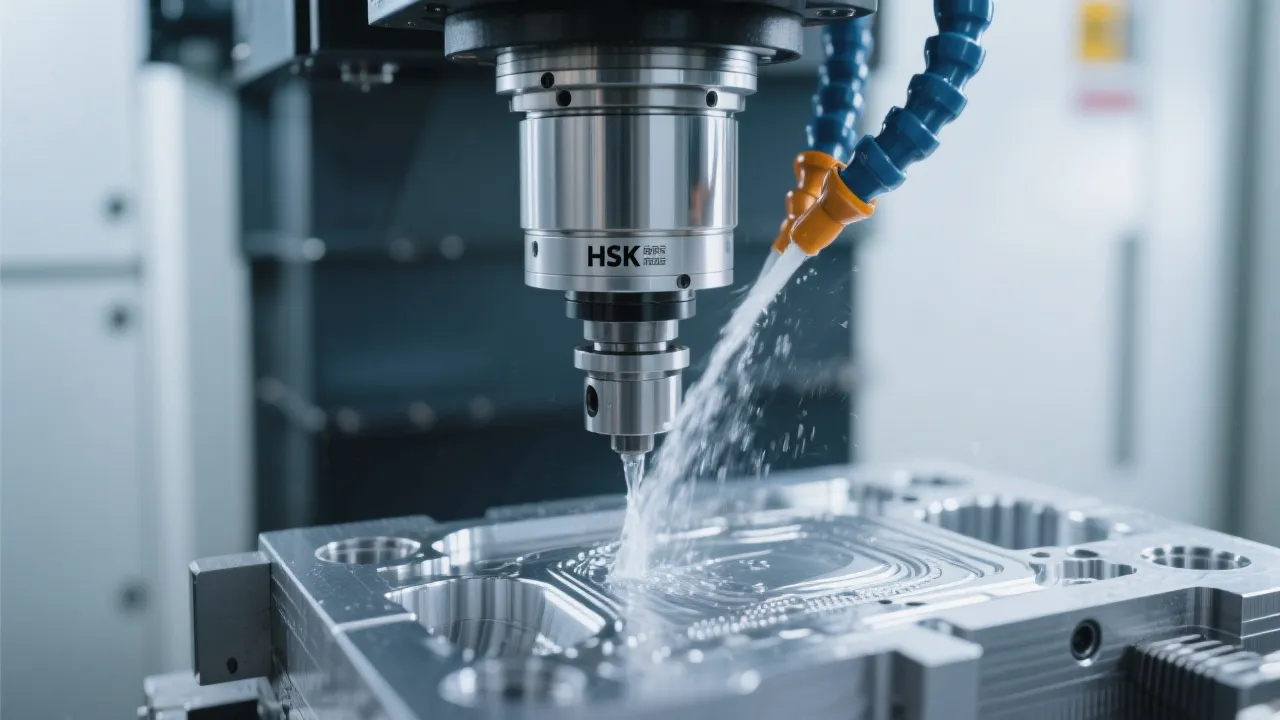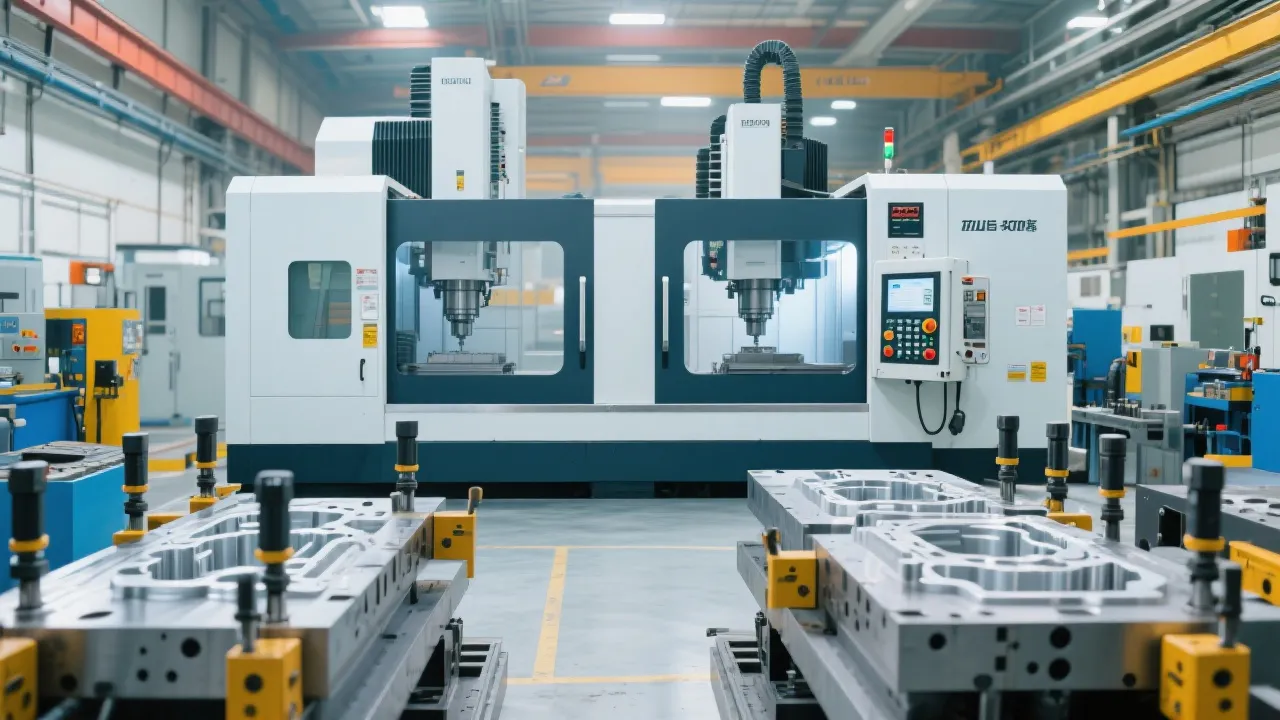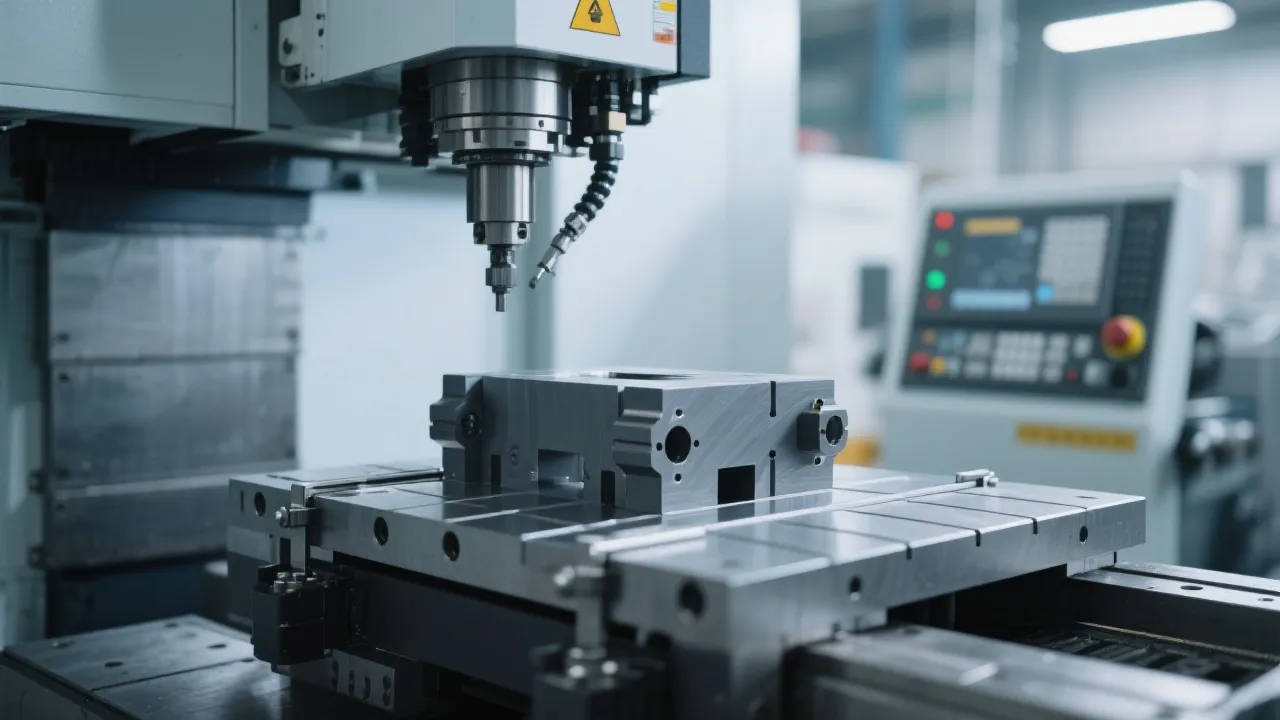
The manufacturing landscape in export-driven industries such as aerospace and electronics is increasingly demanding enhanced precision, shortened processing cycles, and minimal waste. At the heart of this transformation lies the high rigidity design of graphite CNC milling machines, a core innovation pioneered by KaiBo CNC to elevate machining standards and operational efficiency in foreign trade processing.
High rigidity in a CNC milling machine is not merely a mechanical attribute but a strategic enabler for manufacturing excellence. The design enhancements encompass:
These technical optimizations contribute to a drastic improvement in dynamic response, reducing mechanical chatter—a key factor in machining quality degradation.
Empirical data collected from comparative testing by industry standards organizations demonstrates clear advantages of high rigidity designs:
| Performance Metric | Traditional CNC Milling Machine | High Rigidity CNC Milling Machine |
|---|---|---|
| Dimensional Accuracy (μm) | ±15 | ±5 |
| Surface Roughness (Ra, μm) | 0.8 | 0.3 |
| Tool Life (hours) | 5 | 12 |
| Processing Time Reduction | - | 35% |
Data above, collected from KaiBo CNC’s customer factory trials, underscore:
Consider a leading aerospace component supplier who integrated KaiBo CNC’s high rigidity graphite milling system. They observed a 35% reduction in processing time for complex titanium alloy parts while maintaining strict tolerances within ±5 μm. Despite the challenging material properties, vibration-induced errors decreased by an estimated 80%, directly translating to heightened product reliability and expedited export schedules.
Similarly, an electronics mold manufacturer reported consistent surface roughness below 0.3 μm, critical for high-frequency device enclosures. The uniformity achieved across batches supported their ISO9001-certified quality regime and enabled scaling production for global clients without compromising timeline commitments.
High rigidity design gains optimal results when coupled with proactive maintenance and advanced tool management. Regular bed leveling, guide rail lubrication schedules, and spindle alignment procedures maintain the mechanical precision foundation. Meanwhile, employing smart tool monitoring systems extends the effective lifespan of cutting implements, ensuring consistent machining parameters throughout production cycles.
This holistic approach creates a sustainable, high-efficiency production ecosystem—a critical factor for export-oriented manufacturers striving for standardized, batch-consistent, and high-quality delivery.
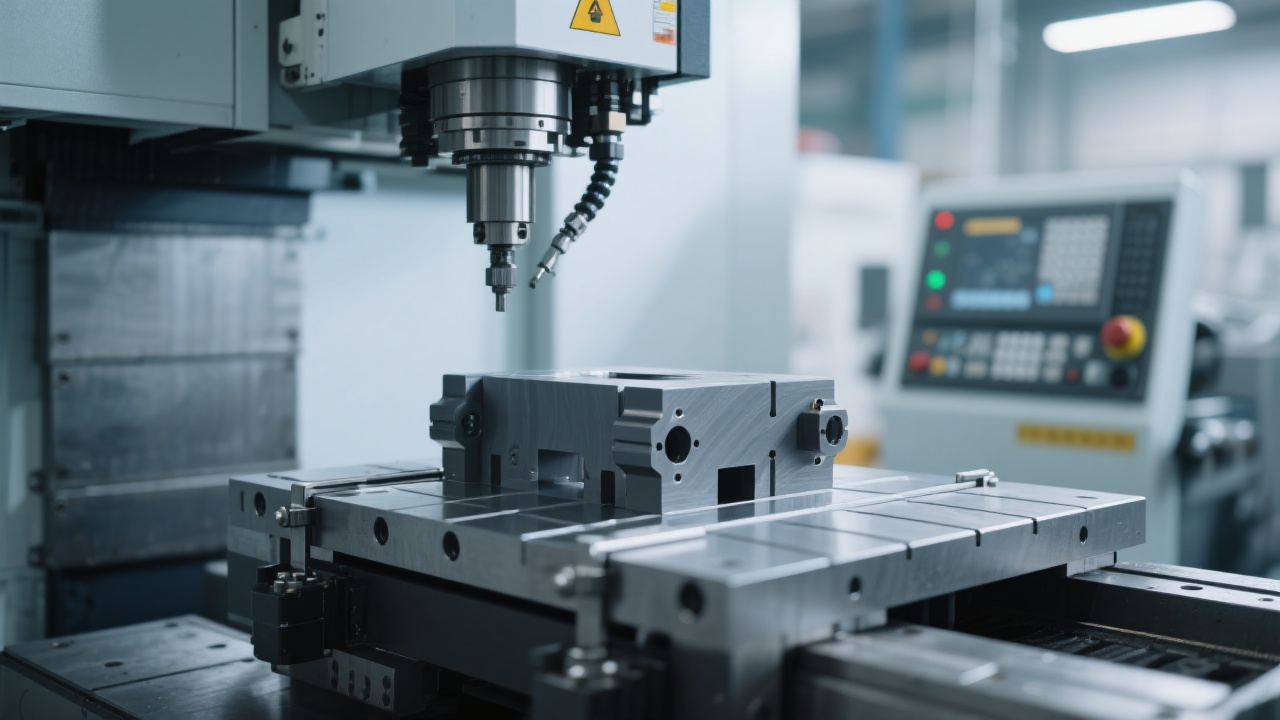
The adoption of high rigidity graphite CNC milling machines by manufacturing companies specializing in foreign trade is a game-changer. These machines facilitate:
As competition in global manufacturing tightens, leveraging such technological advantages equips exporters to meet stringent delivery deadlines and maintain a competitive edge.
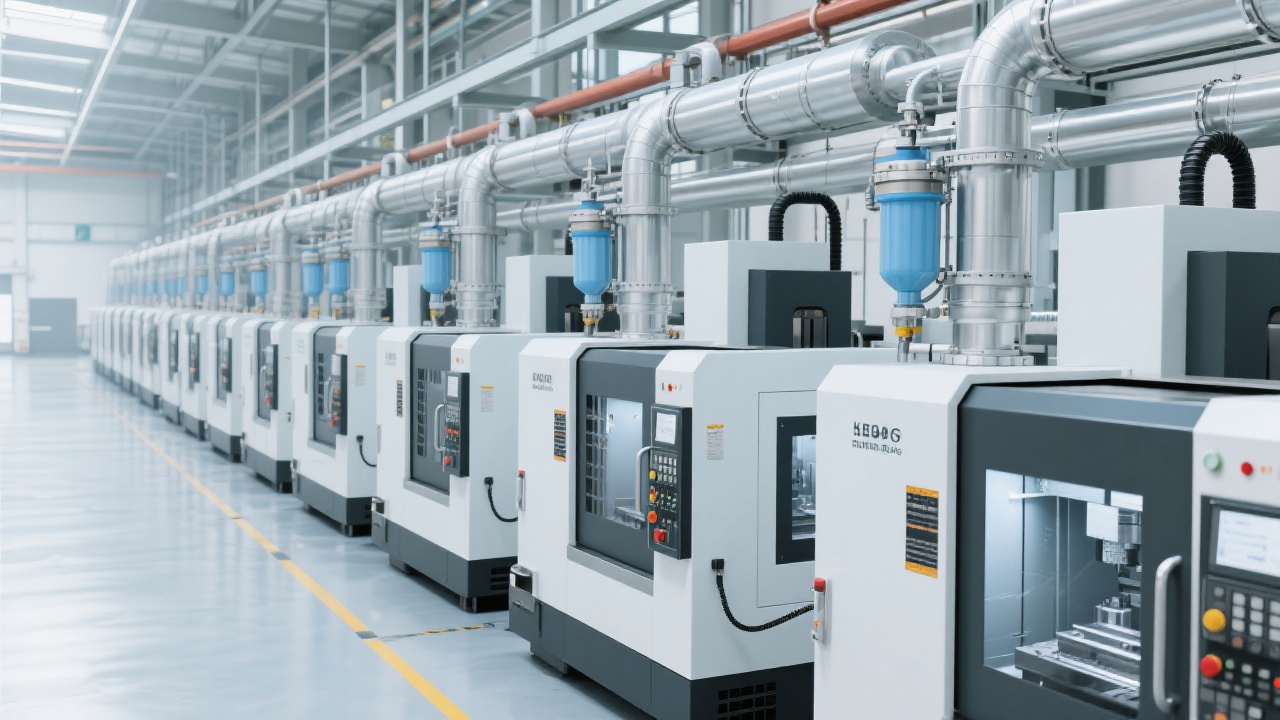
“Implementing KaiBo CNC’s high rigidity design technology resulted in a 30% increase in our production throughput, while quality complaints dropped below 0.5%. This has enabled us to meet the rigorous demands of our international aerospace clients on time, every time.” – Senior Production Engineer, Global Aerospace Corp.
High rigidity design also permits more aggressive cutting parameters. Enhanced machine stability supports higher feed rates and deeper cuts, further shortening cycle times without compromising dimensional tolerances. For example, increasing feed rates by 20% while maintaining ≤5 μm accuracy has been documented in electronics mold fabrication, delivering substantial productivity leaps.