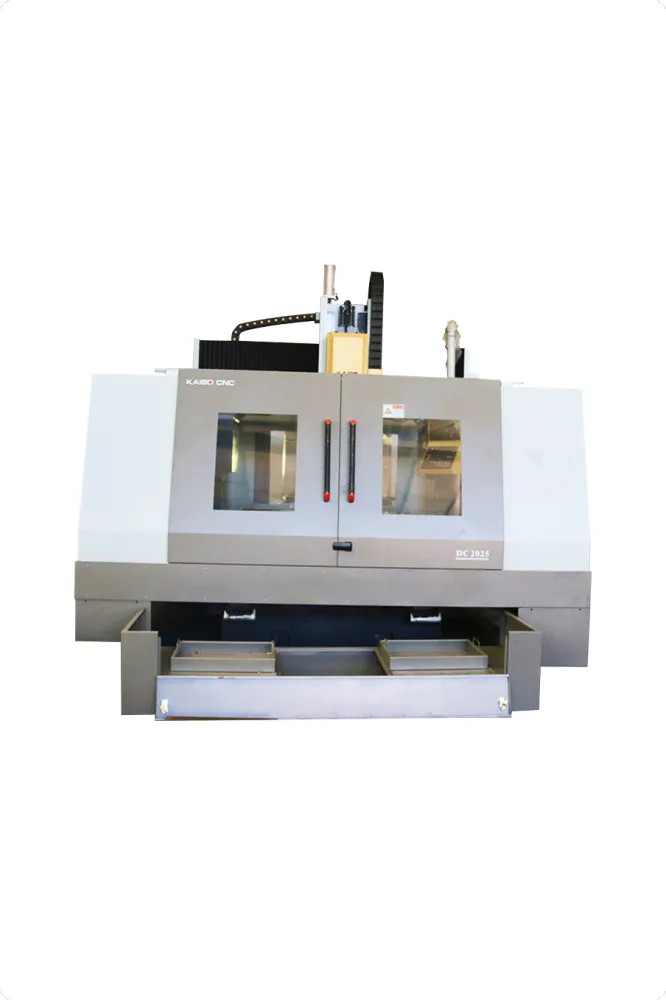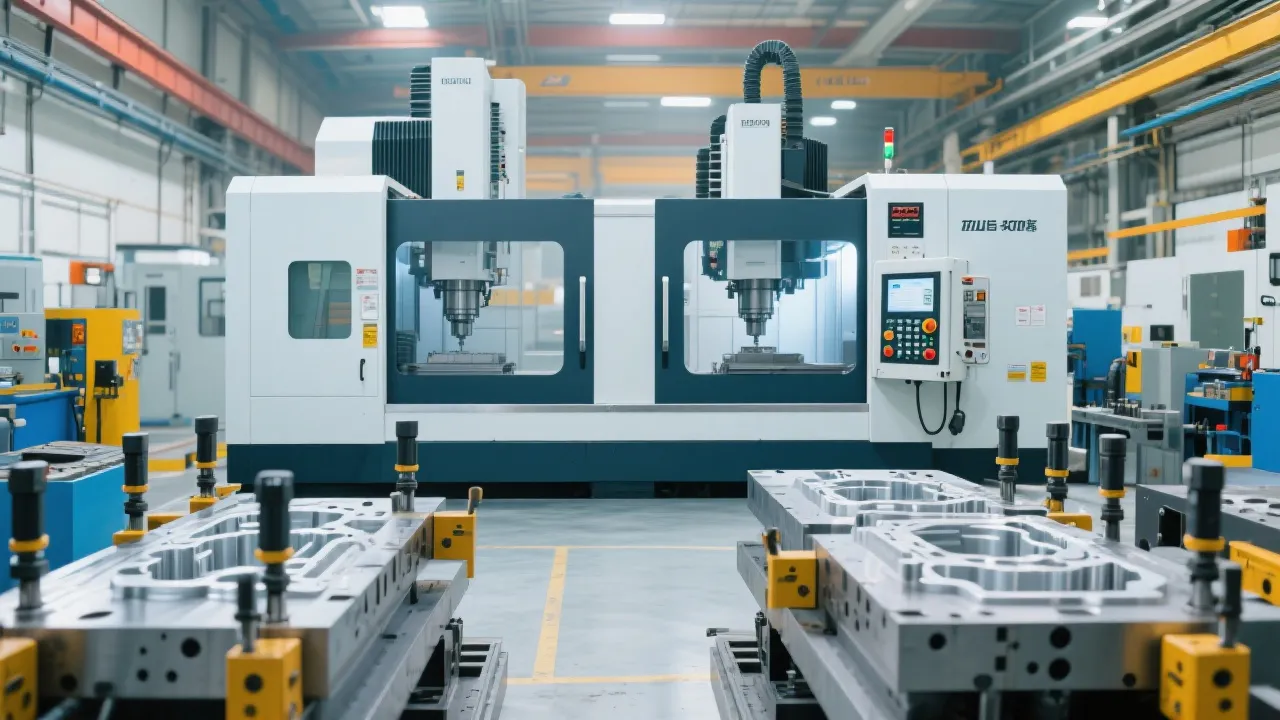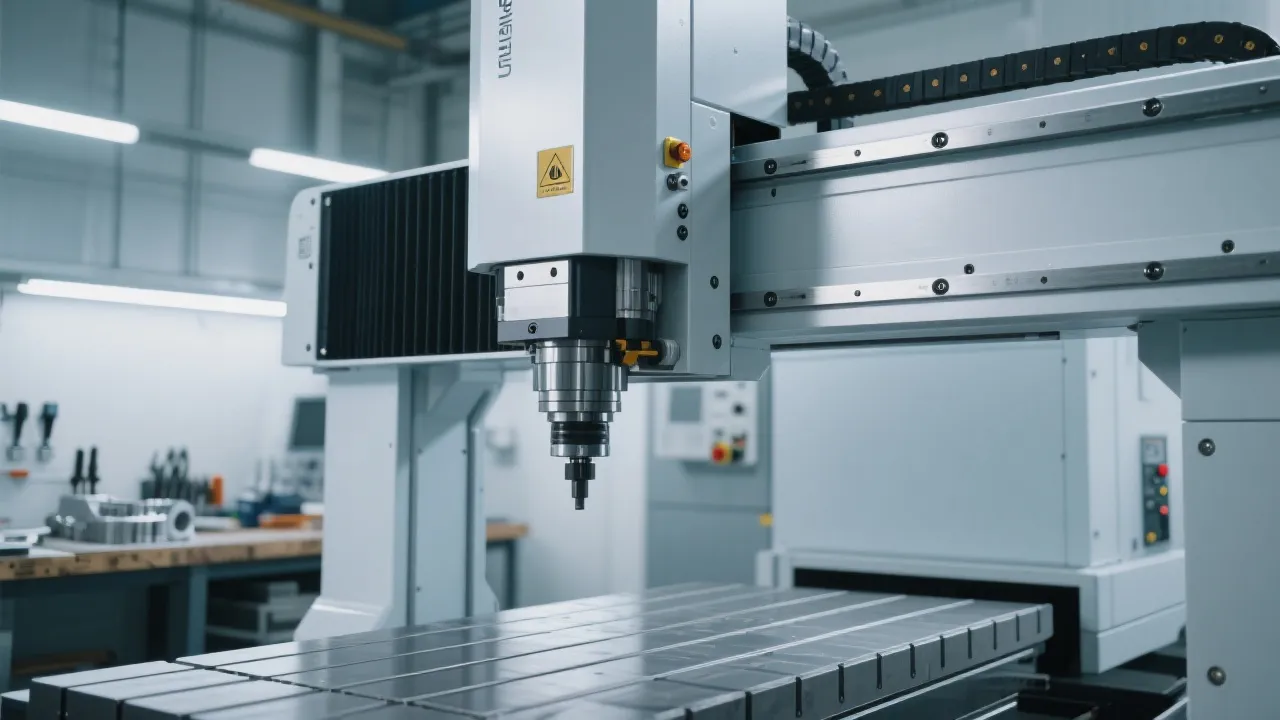
In the competitive world of precision manufacturing, especially within the mold-making industry, the demand for faster machining cycles paired with superior surface quality is unrelenting. The HSK high-speed spindle technology has emerged as a pivotal innovation, enabling CNC milling machines to elevate both productivity and surface finish to previously unattainable heights.
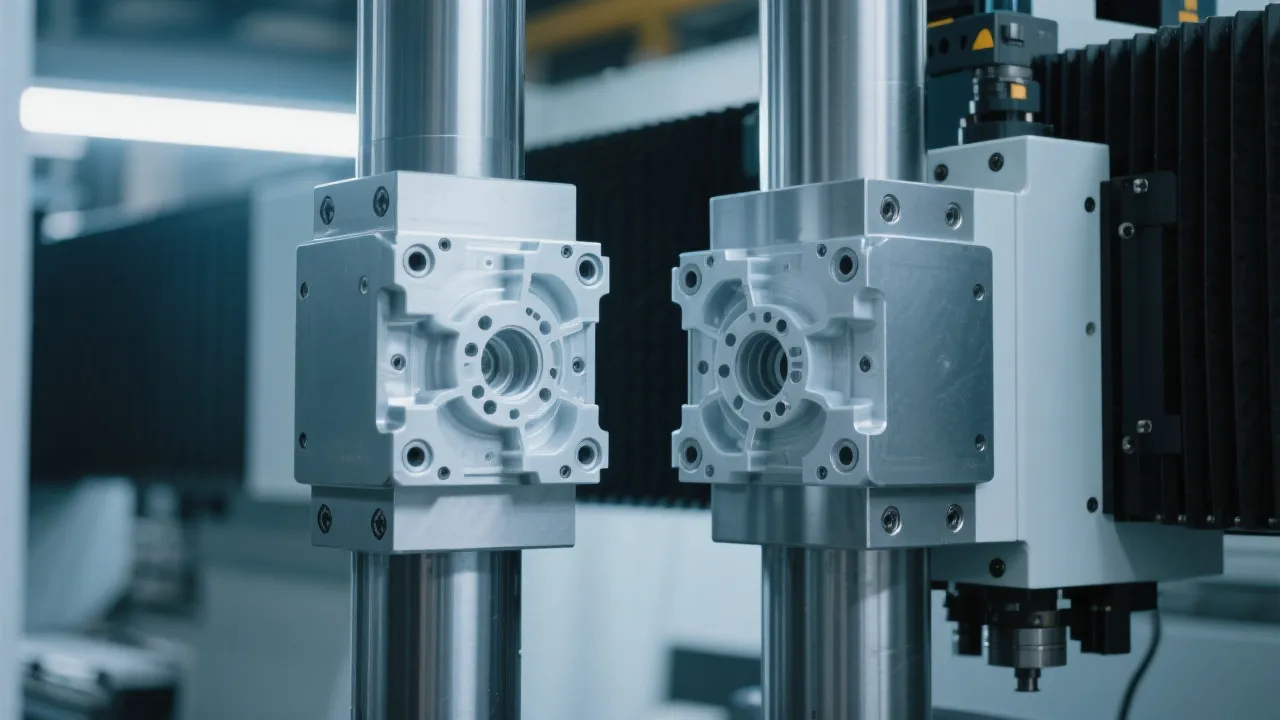
At the core of any high-precision machining process, the spindle serves as the heart of the milling machine. The HSK (Hohlshaftschaft-Kegel, or hollow shank taper) spindle deviates from traditional spindle designs by providing enhanced concentricity and superior rigidity. This is achieved through its unique dual-contact interface — the taper and flange together establish a solid connection that drastically reduces runout and vibrational instabilities.
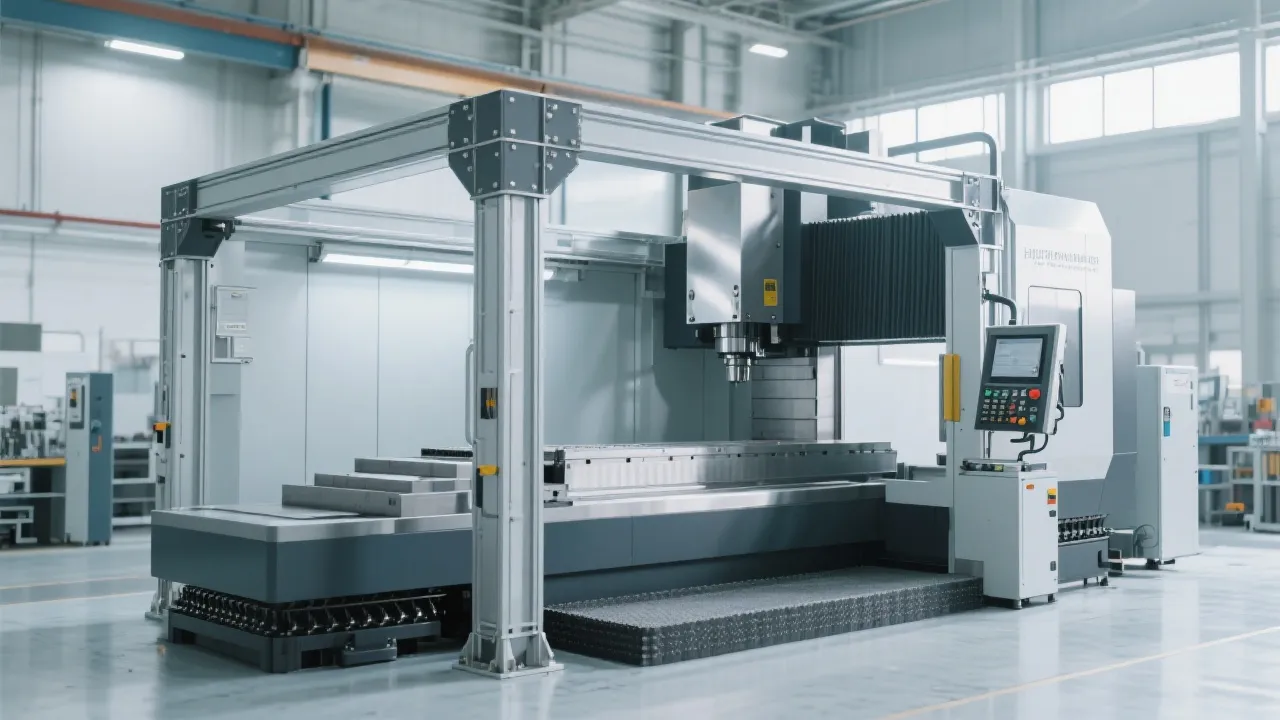
For example, the GJ8070 high-precision double-column vertical machining center utilizes an HSK spindle capable of maintaining radial runout below 2 μm at 10,000 RPM, an improvement of roughly 30% compared to traditional CAT or BT spindles. This precision translates directly to improved tool life, enhanced dimensional accuracy, and smoother surface finishes.
Thermal deformation is a less visible but critical factor affecting machining quality. High spindle speeds generate heat that can cause subtle expansion and deflection in spindle components, leading to surface roughness fluctuations and dimensional inaccuracies.
The HSK spindle design inherently promotes better heat dissipation due to its hollow taper and reduced mass in critical areas. Integration of active cooling systems and thermal compensation algorithms, as implemented in machines like the GJ8070, can restrict thermal growth to less than 5 μm over a typical 8-hour machining cycle. This level of thermal stability ensures consistent surface finish, critical for achieving Ra values below 0.8 μm in mold cavity surfaces.
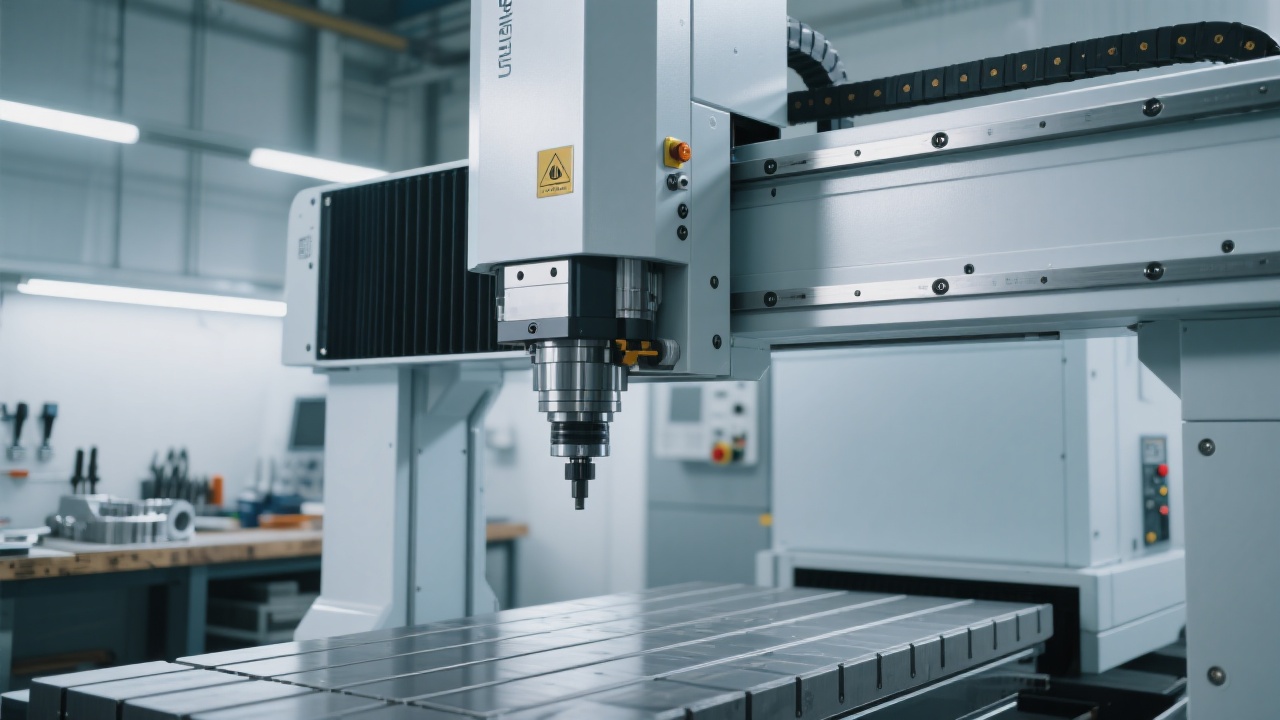
The spindle performance alone is insufficient without optimized cutting parameters. For maximum efficiency and surface quality, the interplay between spindle speed (S), feed rate (F), and depth of cut (D) must be finely tuned.
Additionally, parameter optimization ensures minimal tool wear, which is critical for predictable production schedules. Utilizing advanced control systems like the Fanuc CNC control, operators can implement incremental feed and speed changes compensating for tool wear and thermal effects in real-time.
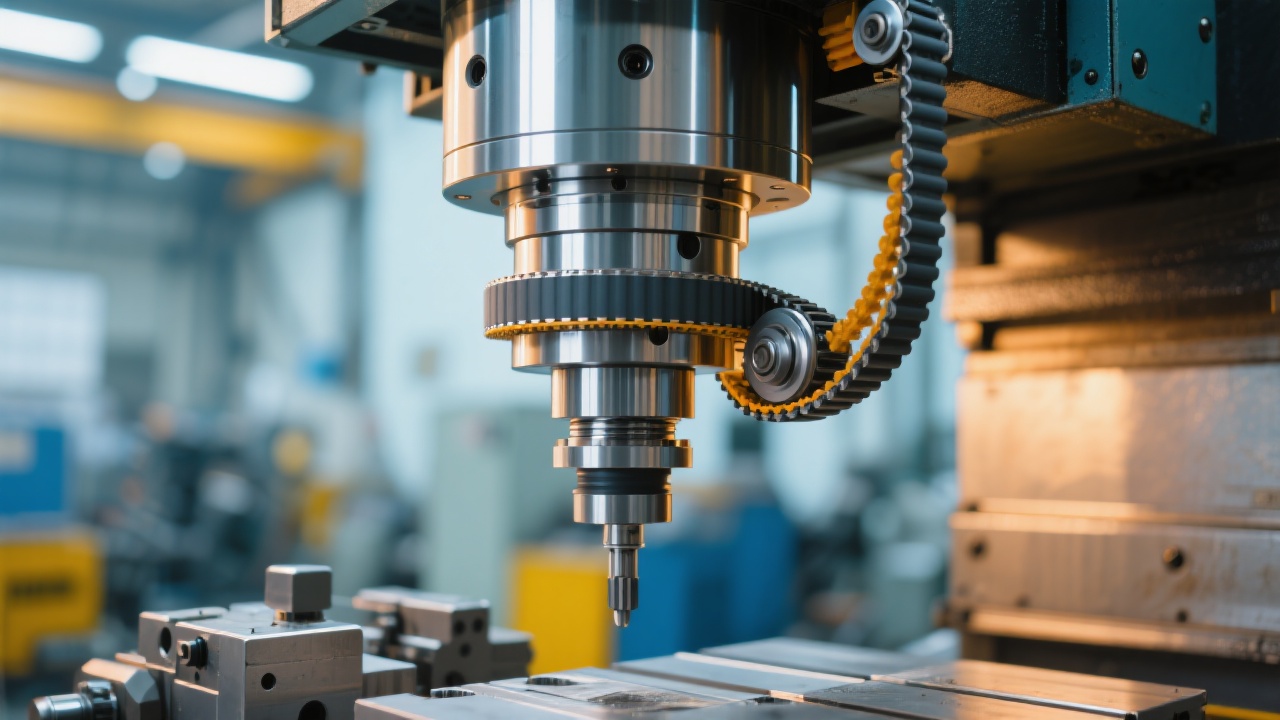
To understand the tangible benefits of HSK spindles, consider these direct comparisons against conventional CAT or BT spindle systems:
| Performance Parameter | HSK Spindle | Traditional CAT/BT Spindle |
|---|---|---|
| Radial Runout (μm) | ≤ 2 μm | ~3 μm |
| Thermal Growth Stability (μm) | < 5 μm / 8 hours | > 10 μm / 8 hours |
| Tool Change Time | ~6 seconds | ~9 seconds |
| Typical Achieved Surface Finish (Ra μm) | ≤ 0.8 μm | 1.0 - 1.2 μm |
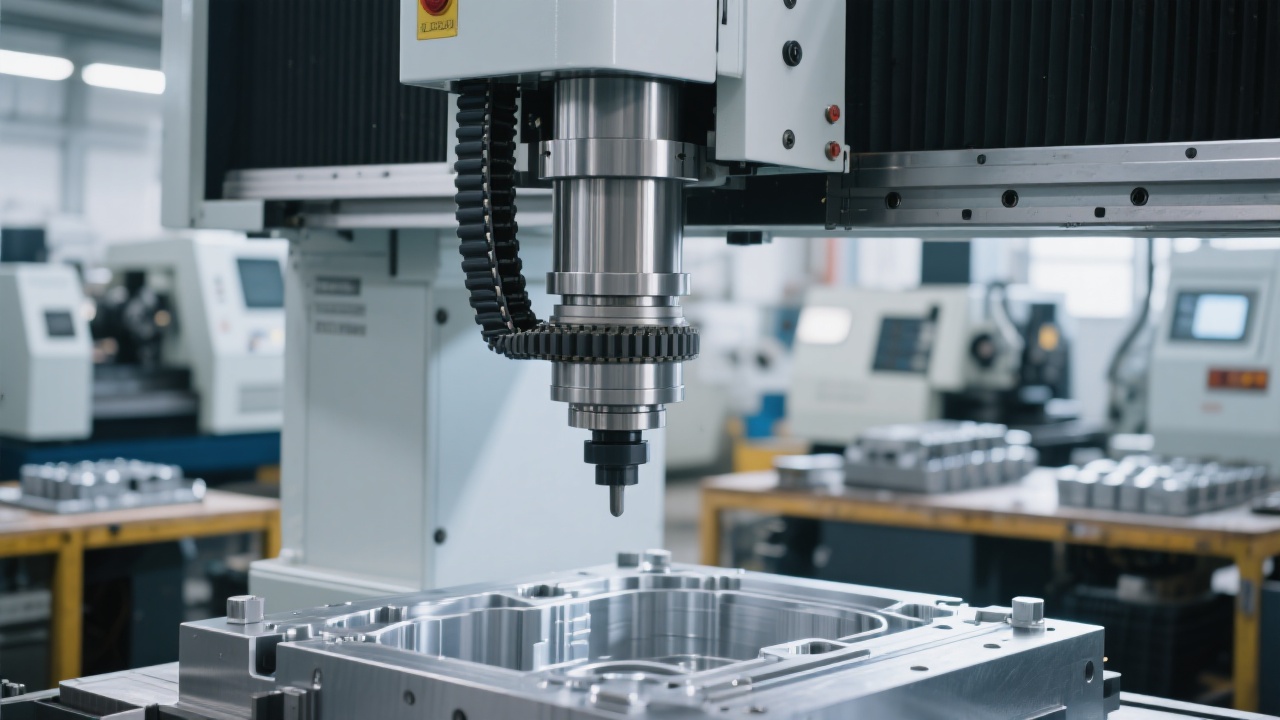
Relying solely on upgrading to an HSK spindle without addressing the broader machining ecosystem undermines potential gains. Effective deployment requires integration with:
Technical managers should implement these measures as part of a systematic approach to realize the full value of their equipment investments.