Comprehensive Analysis of ISO9001 Certification in CNC Equipment: Key Quality Management Factors for Procurement Decisions
24 03,2026
Technical knowledge
ISO9001 certification stands as a critical quality management benchmark in CNC equipment procurement, ensuring rigorous control from raw material inspection to assembly processes and functional testing. This article delves into the practical implementation of ISO9001 in CNC milling machine manufacturing, addressing specific demands of mold making and automotive parts industries. Highlighting the advantages of certified equipment in boosting production efficiency and minimizing quality risks, it offers comparison insights and a practical evaluation framework to aid buyers in assessing supplier continuous improvement capabilities. The article concludes by introducing Kaibo CNC’s ISO9001-certified DC1417 CNC milling machine, showcasing its superior product quality and comprehensive after-sales service as a strong competitive edge.
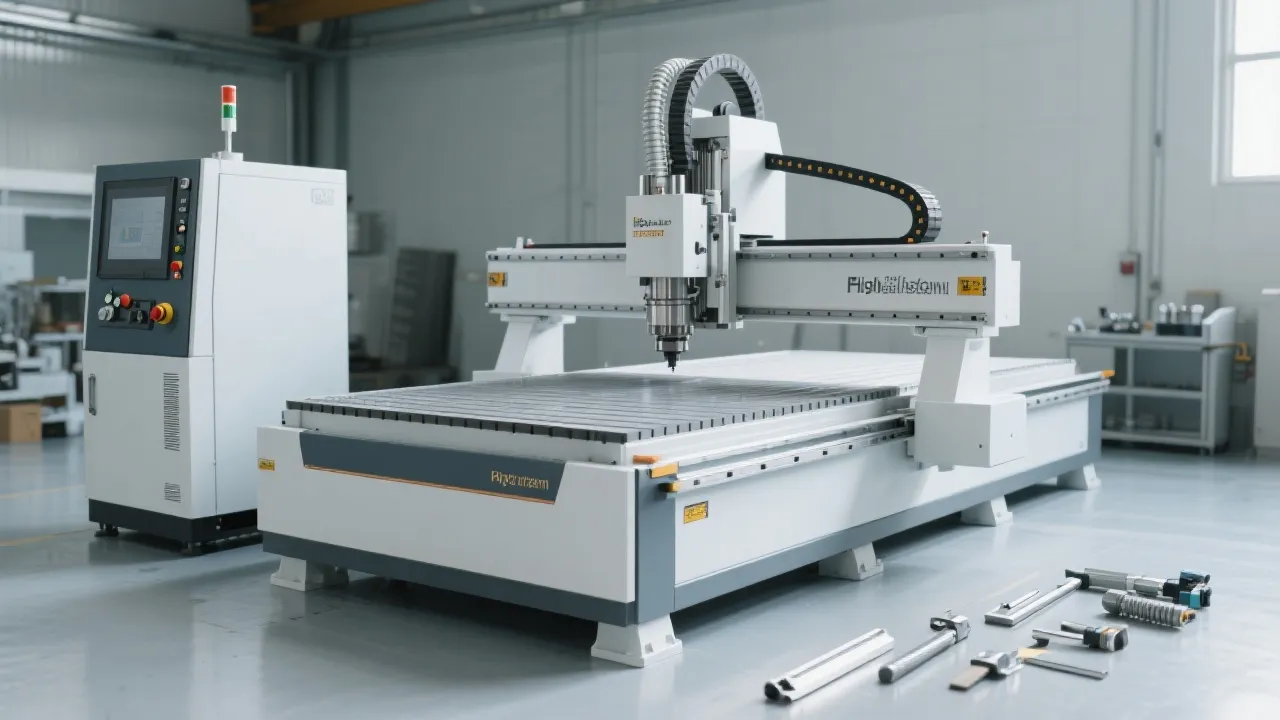
Decoding ISO9001 Certification in CNC Equipment: The Core Quality Management Factor for Procurement Decisions
In the realm of CNC equipment quality management, ISO9001 certification stands as a global benchmark ensuring manufacturing excellence. For industries reliant on precision machining—such as mold fabrication and automotive component processing—choosing an ISO9001-certified device offers compelling assurance of reliability, consistency, and optimized productivity.
The Pillars of ISO9001 in CNC Manufacturing
ISO9001 certification is more than a stamp—it represents a holistic quality management system (QMS) that permeates every stage of CNC equipment production. From stringent raw material inspection through controlled assembly procedures to comprehensive functional testing, manufacturers implement standardized protocols to minimize defects and enhance repeatability.
The standard mandates:
- Systematic documentation and traceability of production activities
- Process monitoring with key performance indicators to reduce variability
- Preventive maintenance schedules to sustain equipment uptime
- Continuous improvement mechanisms driven by customer feedback and internal audits
Why ISO9001 Matters for Mold and Automotive Parts CNC Equipment
Industries such as mold manufacturing and automotive parts processing demand CNC machines that deliver strict dimensional accuracy and unwavering reliability. An ISO9001-certified CNC device inherently addresses such requirements by embedding quality at the process level. This leads to:
- Reduced Quality Variations: Certified manufacturers achieve consistent output with defect rates typically reduced by up to 40% compared to non-certified counterparts.
- Lower Maintenance Costs: Preventive and standardized maintenance cuts unexpected downtimes by an average of 25%, substantially reducing operating expenses.
- Higher Production Efficiency: Streamlined assembly and testing translate into shorter lead times, increasing throughput by approximately 15%.
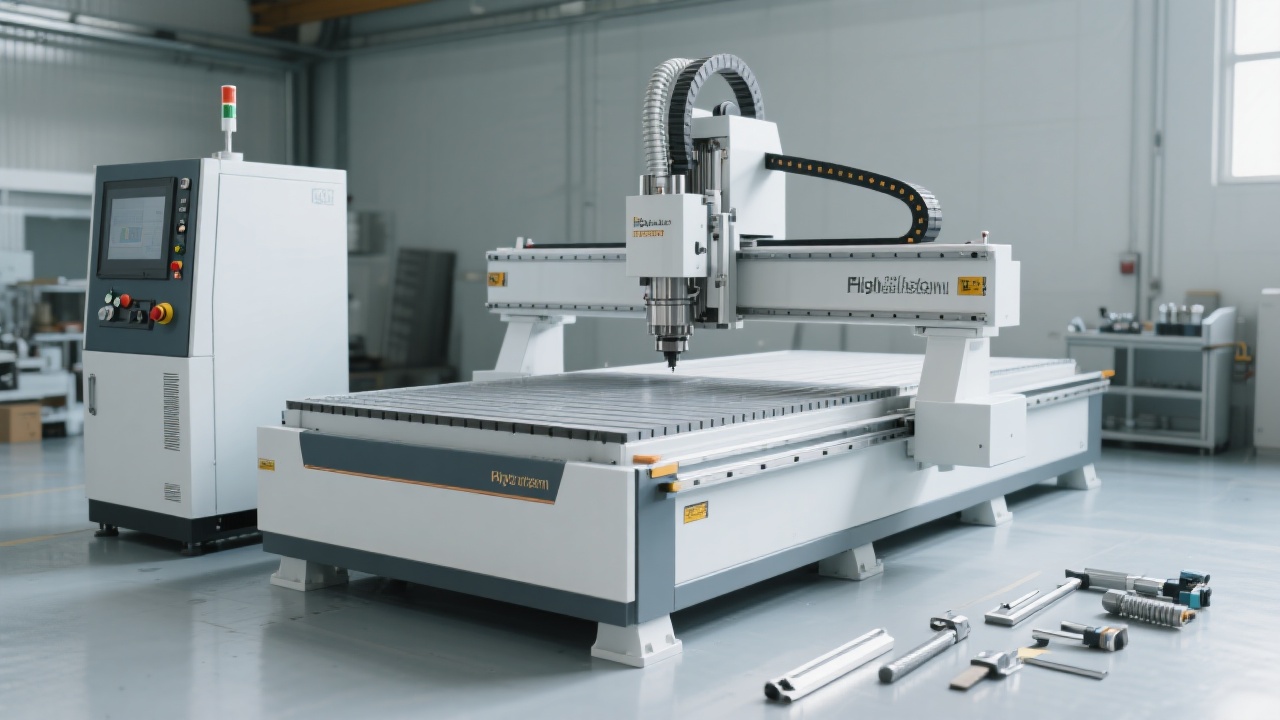
Scientific Evaluation Framework for Procurement
Purchasing decision-makers benefit from a practical framework to assess the sustained quality management capability of CNC suppliers. Key evaluation parameters include:
- Certification Scope and Validity: Verify the supplier’s ISO9001 scope precisely covers the CNC equipment model under consideration.
- Process Documentation Review: Examine quality manuals and Standard Operating Procedures (SOPs) for material inspection, assembly, and testing phases.
- Performance Records: Request data on defect rates, warranty claims, and service turnaround times as indicators of process effectiveness.
- Continuous Improvement Practices: Evaluate evidence of corrective action reports and customer feedback loops driving product enhancements.
Highlighting Kaibo CNC’s DC1417 CNC Milling Machine
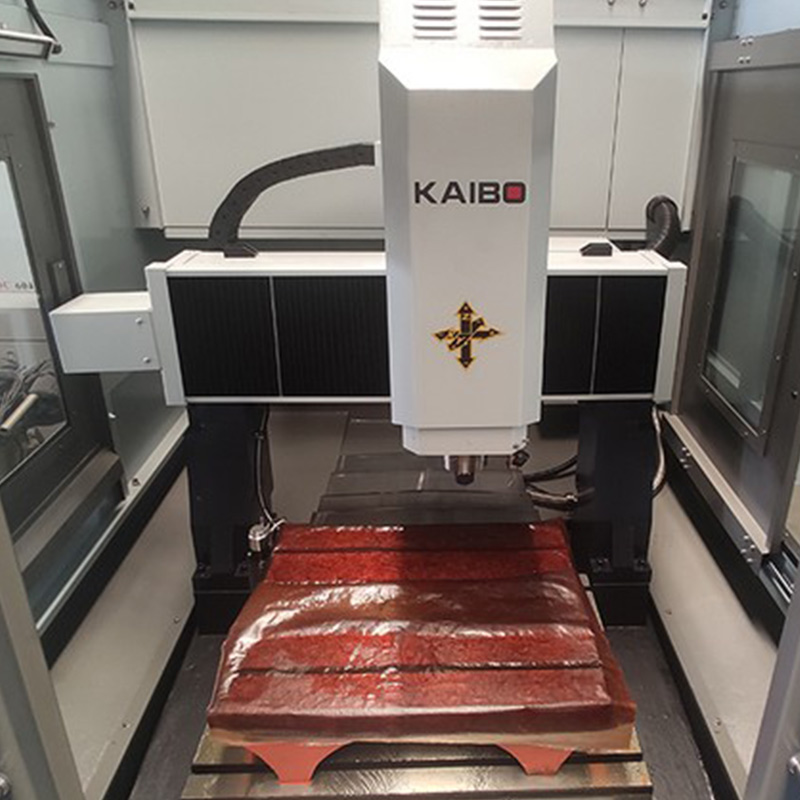
One prominent example merging ISO9001 quality management with cutting-edge CNC technology is Kaibo CNC’s DC1417 model. Designed to meet the exacting demands of mold and automotive part production, this heavy-duty CNC milling machine showcases the integration of:
- Industry-leading quality controls aligned with ISO9001 standards
- Robust assembly and testing protocols ensuring operational stability
- Exceptional after-sales service backed by a global support network
The DC1417’s adoption by leading manufacturers affirms the value of certified CNC equipment in reducing production risks and enhancing throughput without compromising quality.

Impact on Business Outcomes
Data-driven comparisons reveal that enterprises investing in ISO9001-certified CNC equipment typically realize:
- 30% reduction in scrap and rework costs
- 20% faster production cycles with higher yield rates
- Improved supplier-customer trust enhancing long-term partnerships