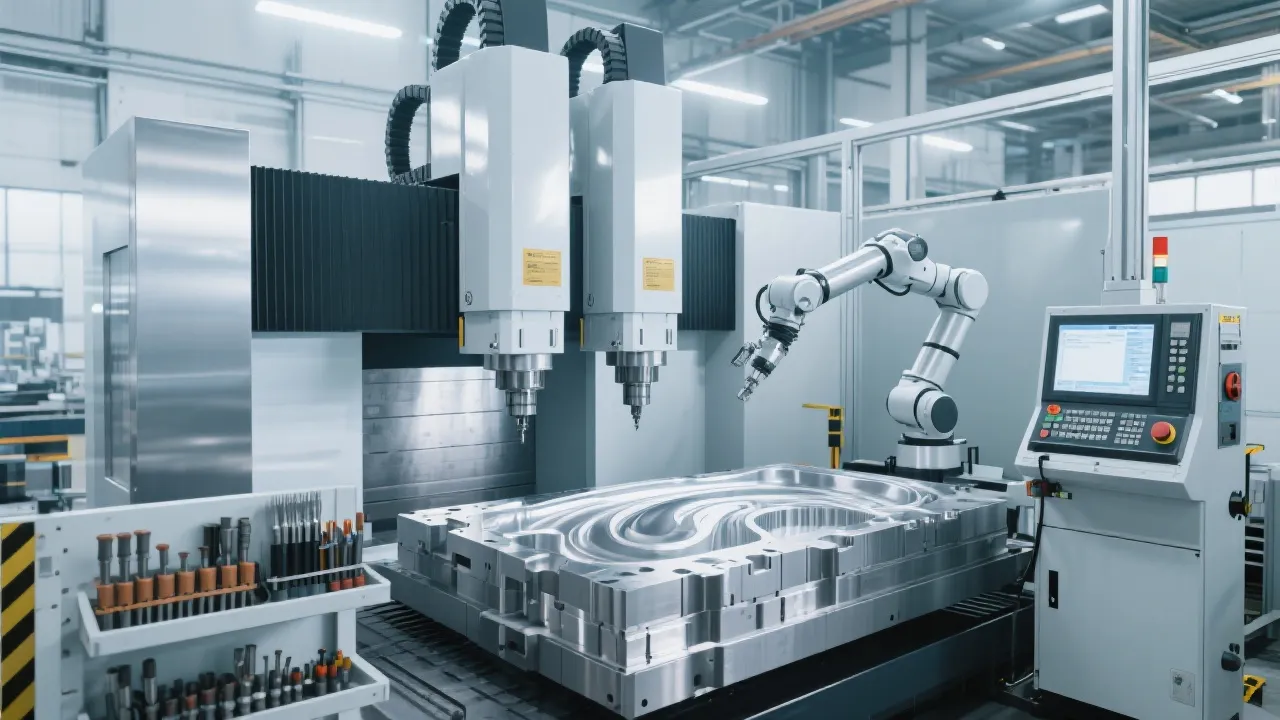
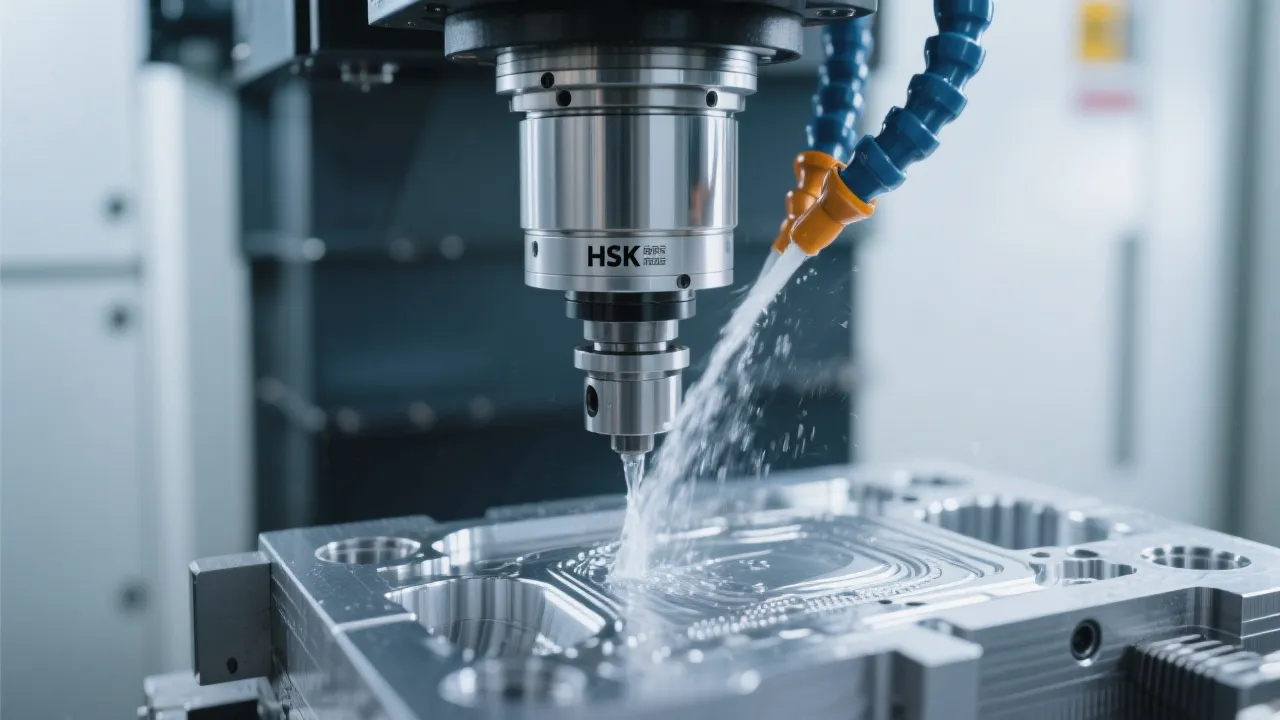
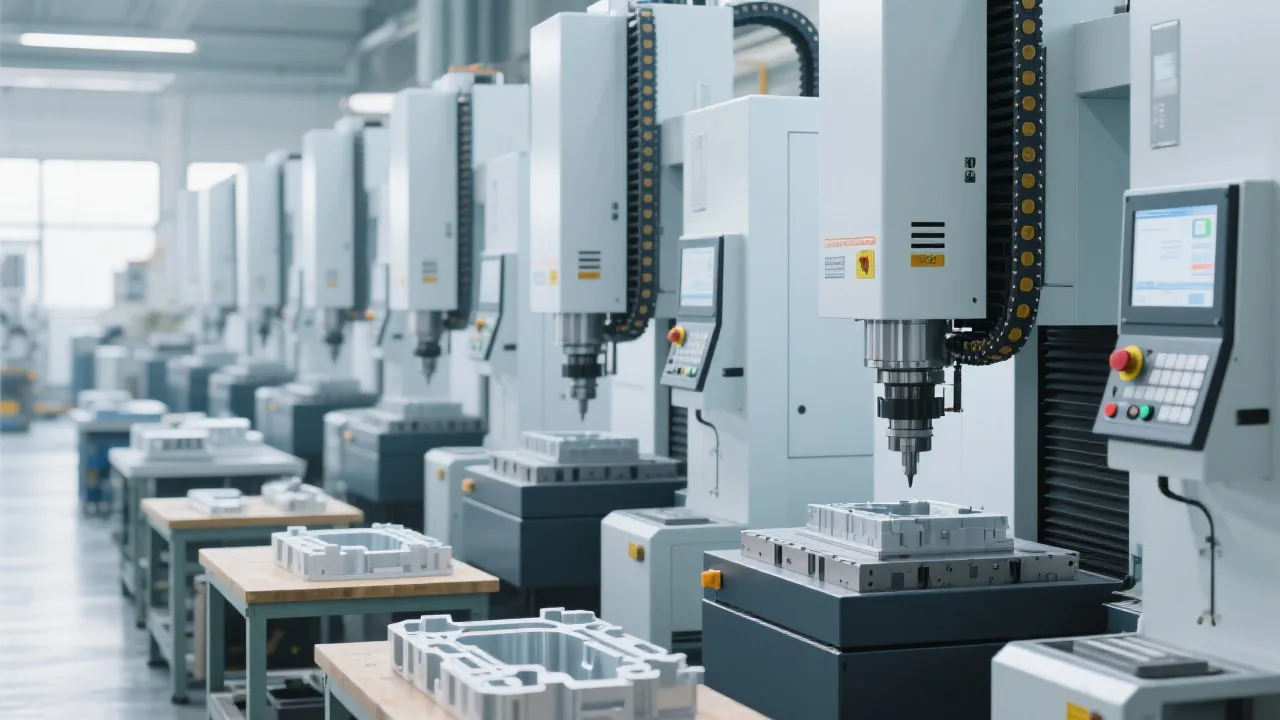
Comprehensive Guide to ISO9001 Certification for CNC Equipment: Ensuring Quality and Production Stability
18 03,2026
Technical knowledge
This article provides an in-depth analysis of the significance of ISO9001 certification for CNC equipment, detailing its implementation throughout manufacturing processes such as raw material inspection, assembly controls, and functional testing to guarantee high-quality and stable production. Focusing on the mold making and automotive parts industries, it highlights how certification enhances process consistency and operational efficiency. Additionally, a straightforward supplier evaluation framework is offered to assist procurement decision-makers in identifying manufacturers with strong quality management and continuous improvement capabilities. Comparative data and case studies illustrate the advantages of certified versus non-certified equipment in terms of quality fluctuation and maintenance costs. The article concludes with a subtle introduction to Kaibo CNC’s certified CNC milling machines, supporting enterprises in achieving efficient production and sustained growth.
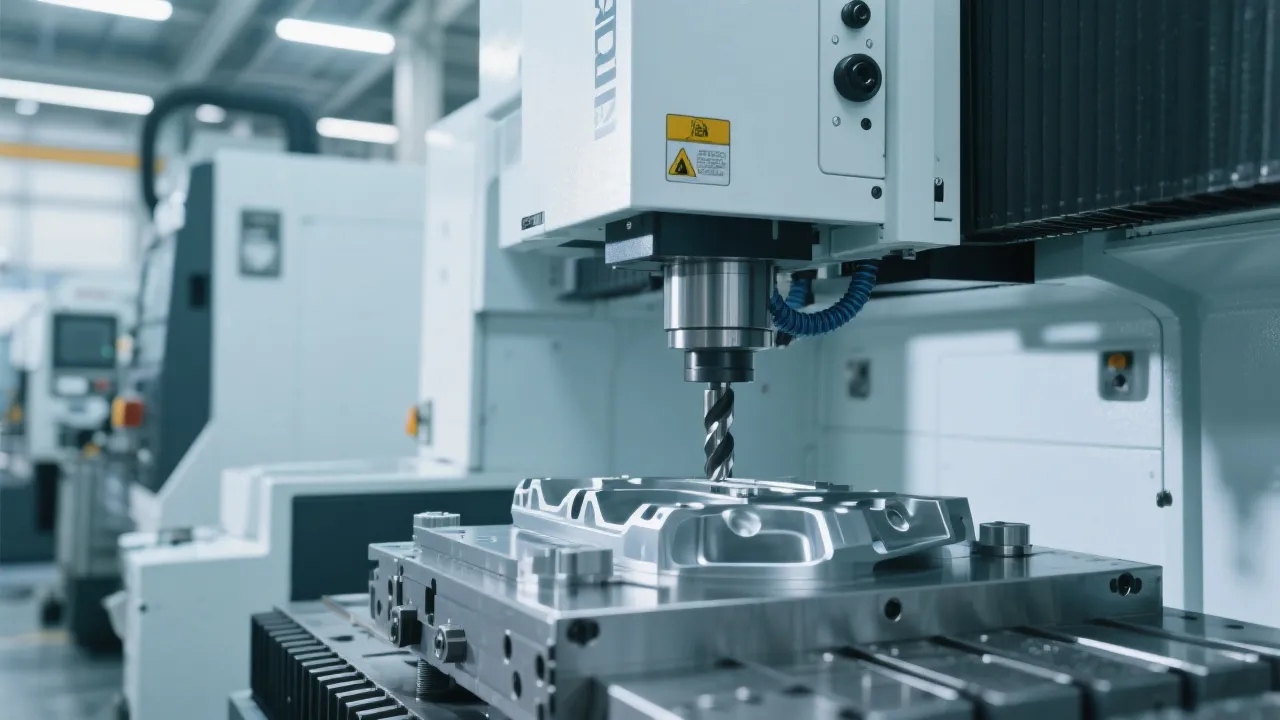
Understanding ISO9001 Certification for CNC Equipment: A Key to Quality Assurance and Operational Stability
In today's competitive manufacturing landscape, ensuring consistent quality and production stability is critical—especially in precision-driven sectors such as mold making and automotive components processing. One essential enabler for this is ISO9001 certification for CNC (Computer Numerical Control) equipment. This internationally recognized quality management system standard provides a structured framework that manufacturers follow to produce equipment that meets stringent quality and reliability benchmarks.
Core Elements of ISO9001 Applied to CNC Equipment Manufacturing
The ISO9001 standard emphasizes a process-oriented approach, focusing on continuous improvement and customer satisfaction. For CNC equipment manufacturers, this includes rigorous controls across:
- Raw material inspection to ensure incoming components adhere to strict specifications
- Standardized assembly procedures that balance precision and efficiency
- Comprehensive functional testing regimes to verify machine capabilities and safety
Implementing these controls reduces variability and defects, directly impacting the final equipment’s quality and durability.
Addressing Industry Pain Points: Mold Manufacturing and Automotive Components
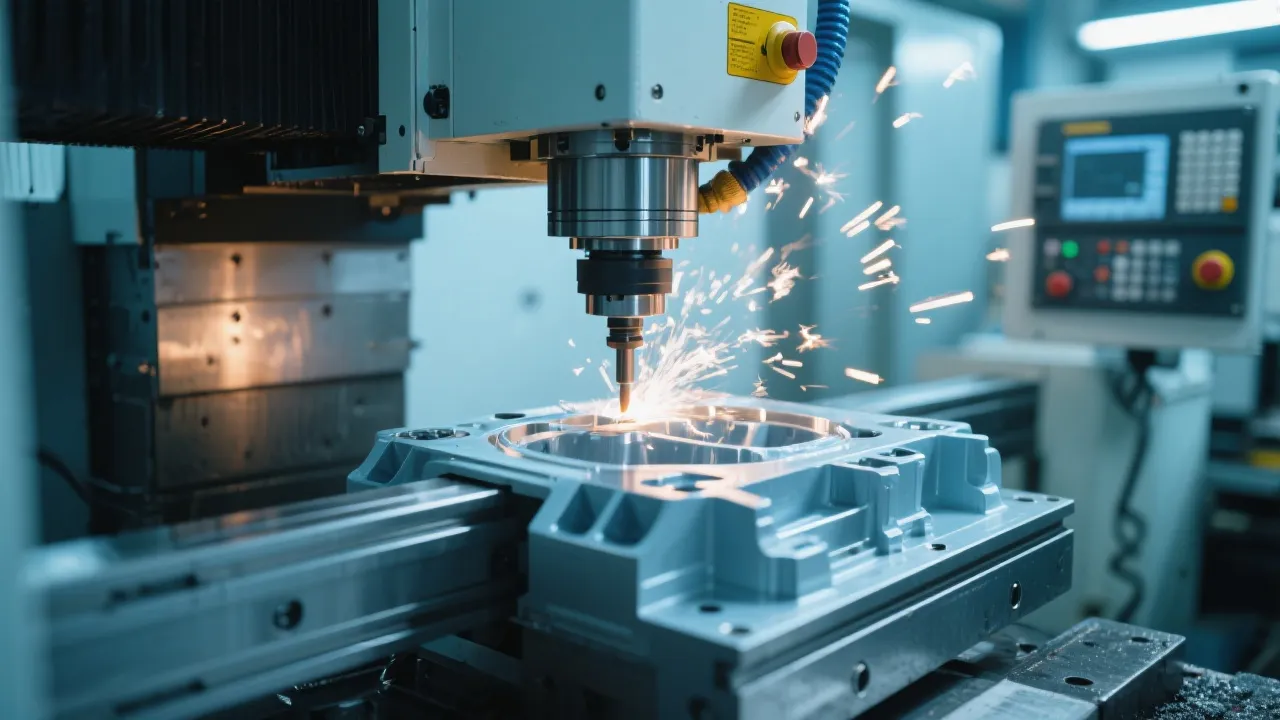
Mold and automotive parts manufacturing require exquisite precision and consistency — any deviation can ripple through the supply chain, causing costly downtime and rework. CNC equipment that holds ISO9001 certification offers a dependable foundation:
- Process consistency: Standardized workflows minimize defects in precision operations
- Improved efficiency: Reduced reprocessing times increase throughput
- Lower maintenance costs: Stability in manufacturing equipment reduces breakdown frequency
These factors translate directly into measurable production gains and cost savings for businesses in these sectors.
Insight: Research shows that CNC machines holding ISO9001 certification lower repair incidence by up to 35% and improve production uptime by 20%, compared to non-certified units.
A Practical Supplier Evaluation Framework for Procurement Decision-Makers
Selecting a CNC equipment supplier is a strategic investment. Procurement professionals can benefit from a simplified yet effective evaluation model focusing on:
- Certification Status: Verify ISO9001 certification and other relevant quality credentials
- Quality Management System (QMS) Transparency: Obtain documentation on inspection and testing processes
- Track Record: Gather data on past equipment performance and user testimonials
- Post-Sales Service: Assess maintenance support and warranty policies
This approach empowers buyers to identify manufacturers with robust quality practices and a commitment to continuous improvement.
Certification vs. Non-Certification: Visualizing Quality and Cost Differences
| Metric |
ISO9001 Certified CNC Equipment |
Non-Certified CNC Equipment |
| Quality Variance (%) |
±3 |
±12 |
| Average Annual Repair Cost (USD) |
$4,500 |
$7,700 |
| Production Downtime (hours/year) |
150 |
260 |
Catalyzing Business Growth with Kaibo CNC Milling Machines
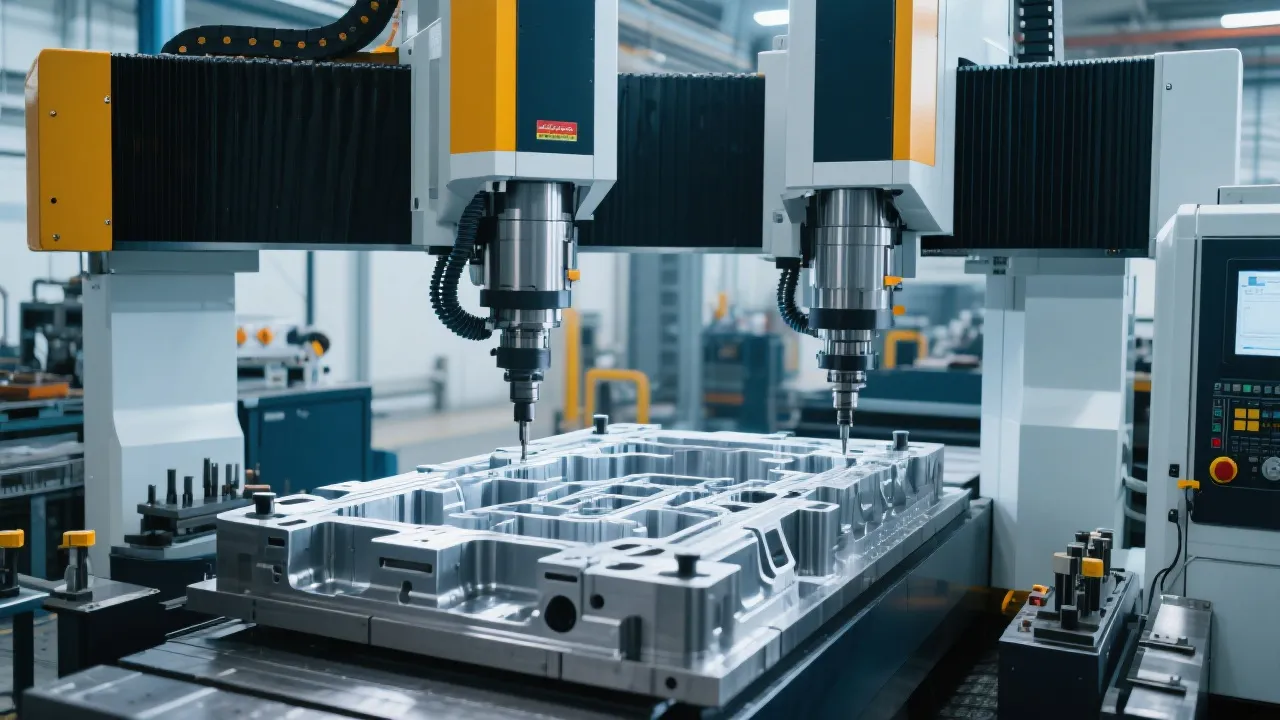
The Kaibo CNC range of milling machines exemplifies the benefits of adhering to rigorous ISO9001 certified manufacturing frameworks. Designed to meet the exacting standards of the mold and automotive parts industries, these machines combine durability, precision, and efficiency.
By investing in Kaibo CNC's certified products, enterprises gain access to equipment offering:
- Proven quality assurance backed by multiple quality certifications
- Reduced machine downtime with consistent manufacturing stability
- Industry-leading after-sales support enabling smoother operations
Continuous Quality Leadership in CNC Manufacturing
As the manufacturing sector evolves with advancing technologies and stricter quality demands, embracing internationally recognized standards like ISO9001 will continue to be a cornerstone for reliable CNC equipment. It protects supply chains, reduces waste, and fosters operational excellence.
For companies targeting growth in mold and automotive part fabrication, integrating equipment produced under these quality frameworks is less a risk and more a strategic imperative.