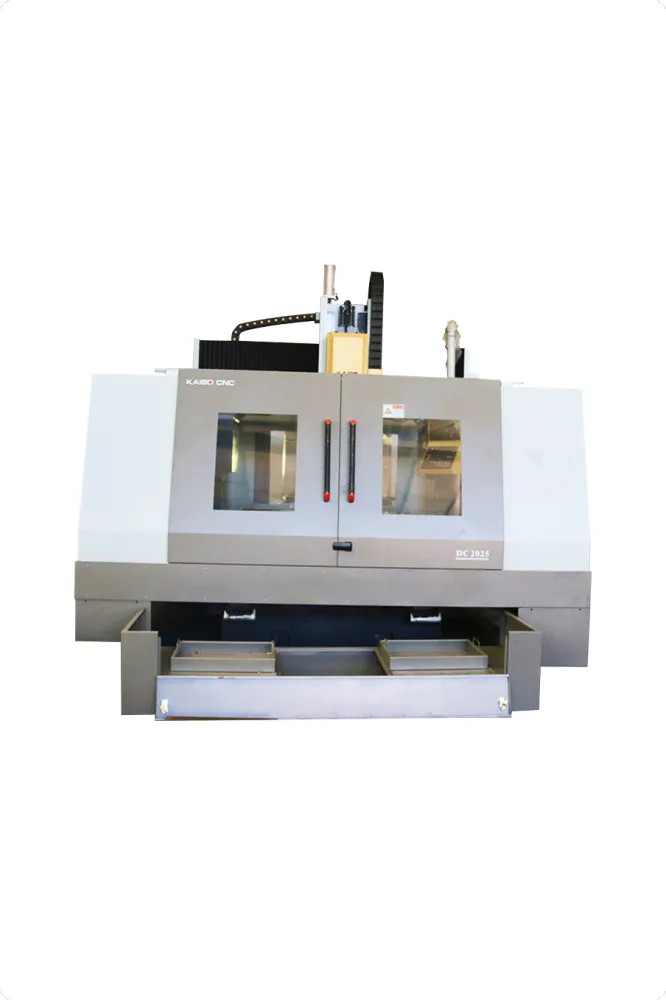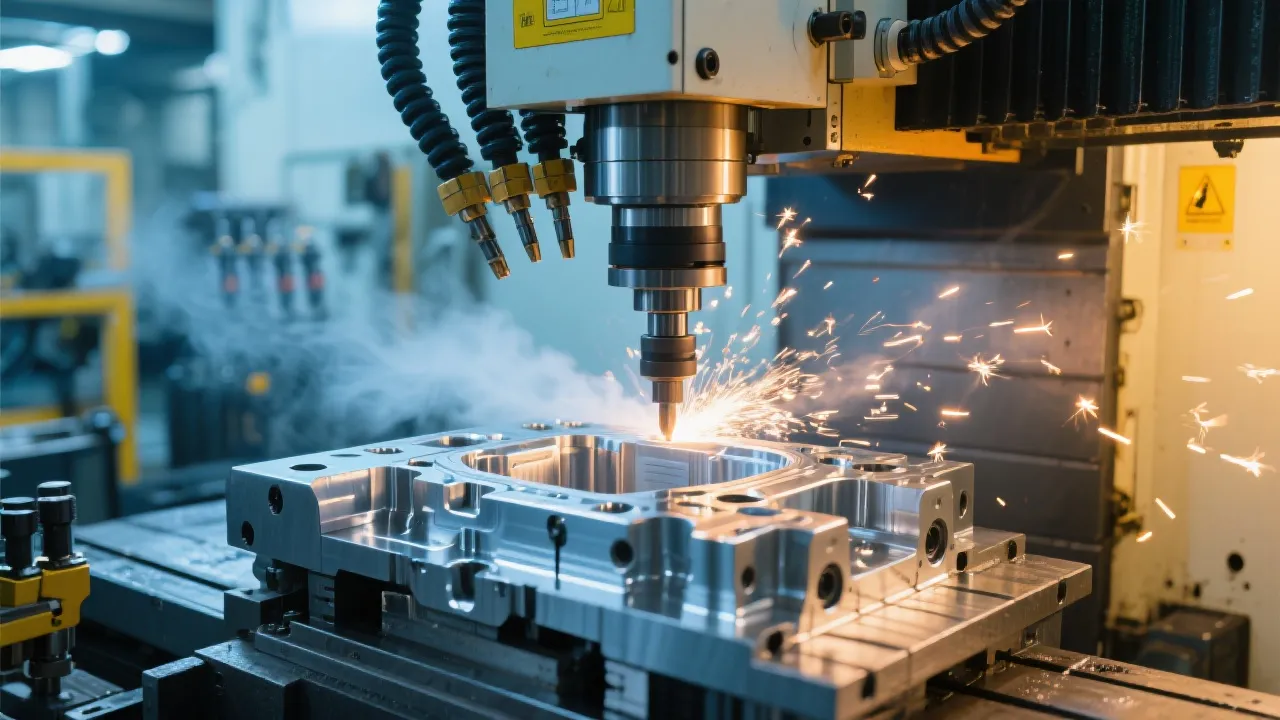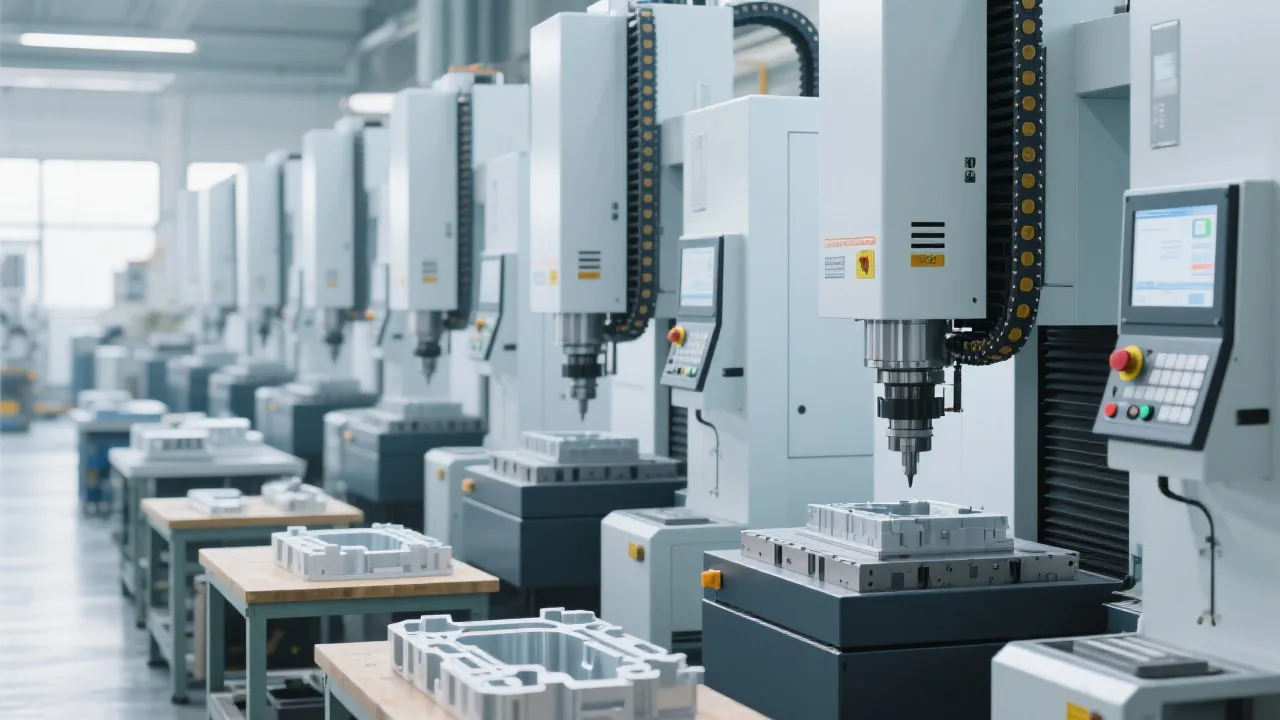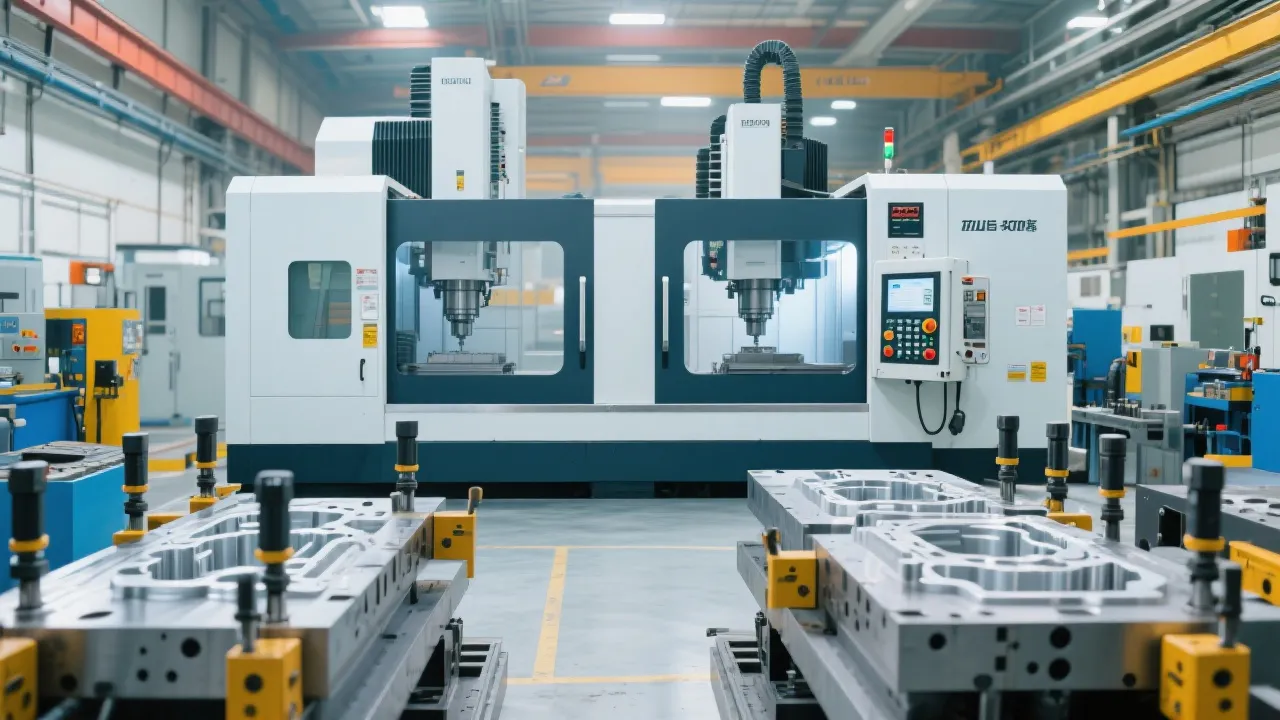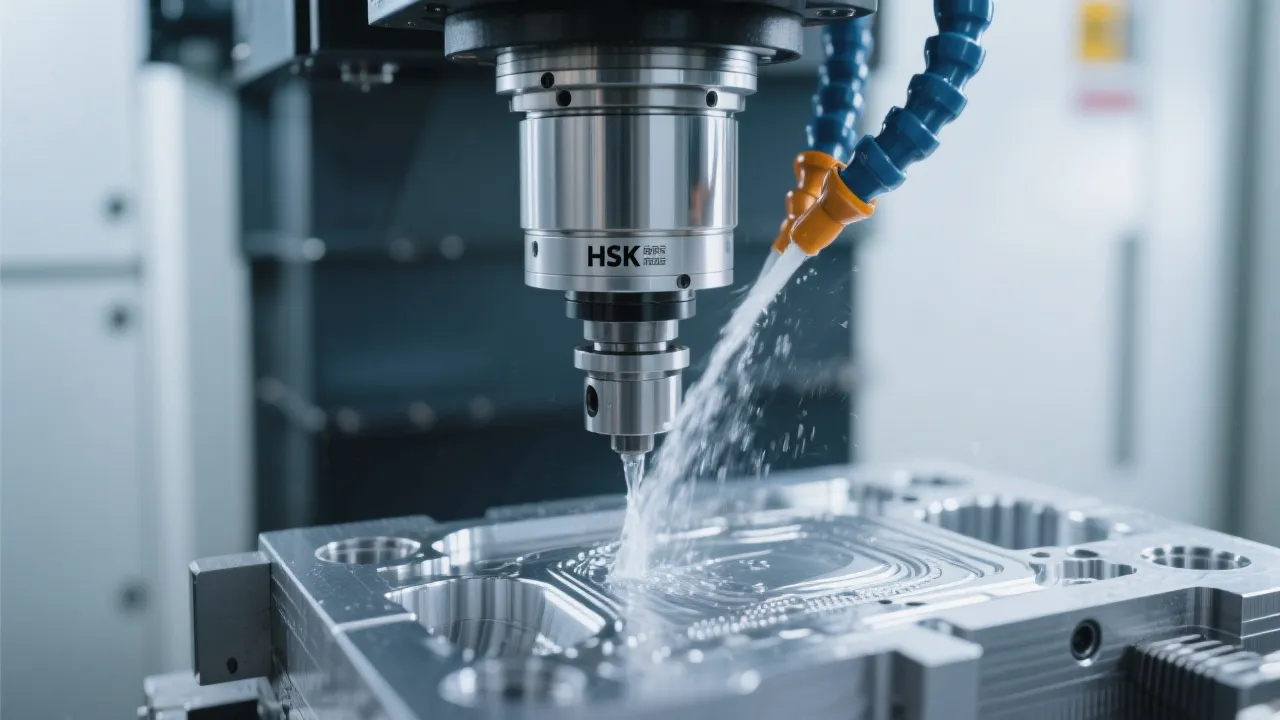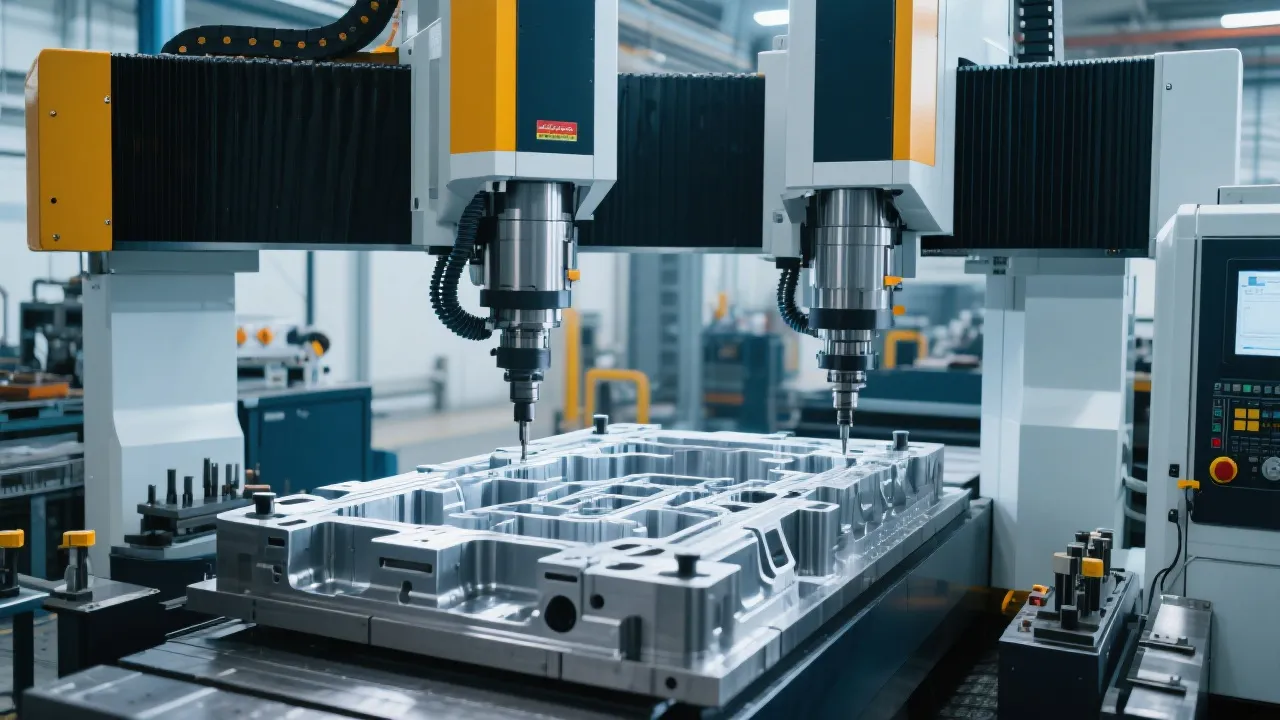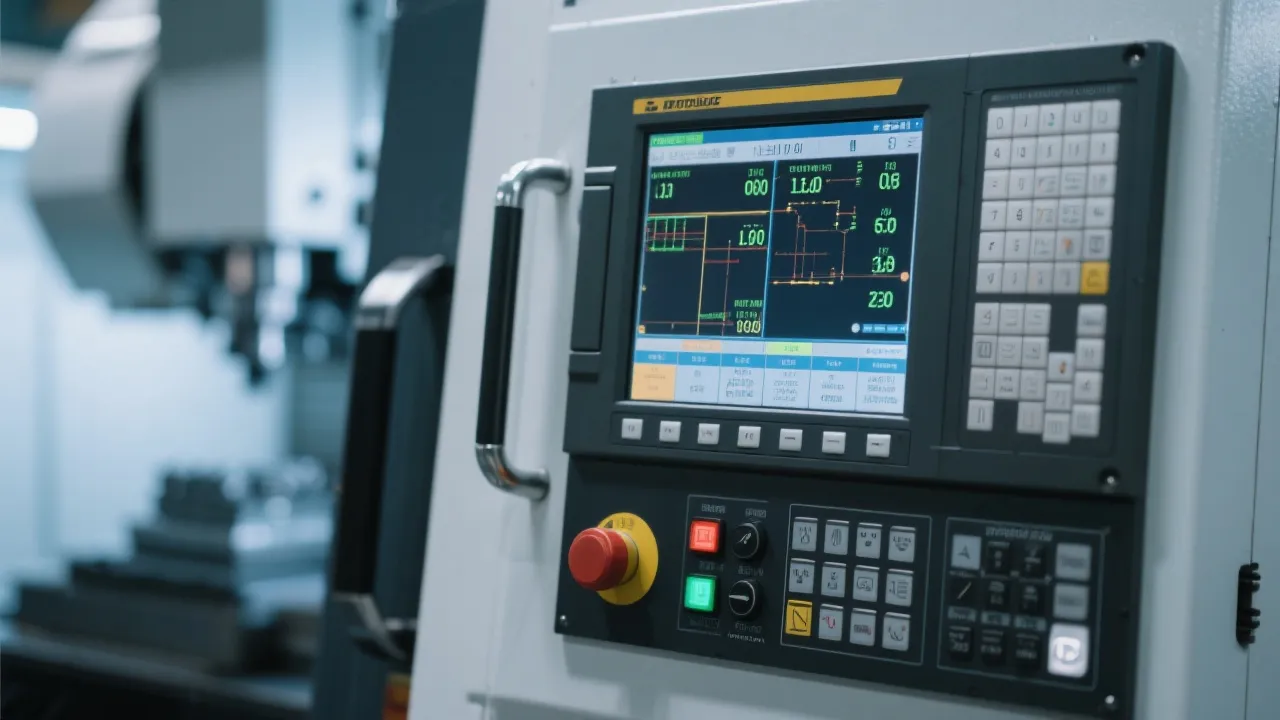
Achieving micron-level machining accuracy in metalworking demands not only advanced control systems but fundamentally robust machine tool structures. The DC1417 CNC milling machine from Kaibo CNC exemplifies how optimizing the rigidity of the machine frame, integrating high-precision servo controls, and fine-tuning cutting parameters coalesce to elevate both precision and throughput in aluminum, stainless steel, and similar alloys.
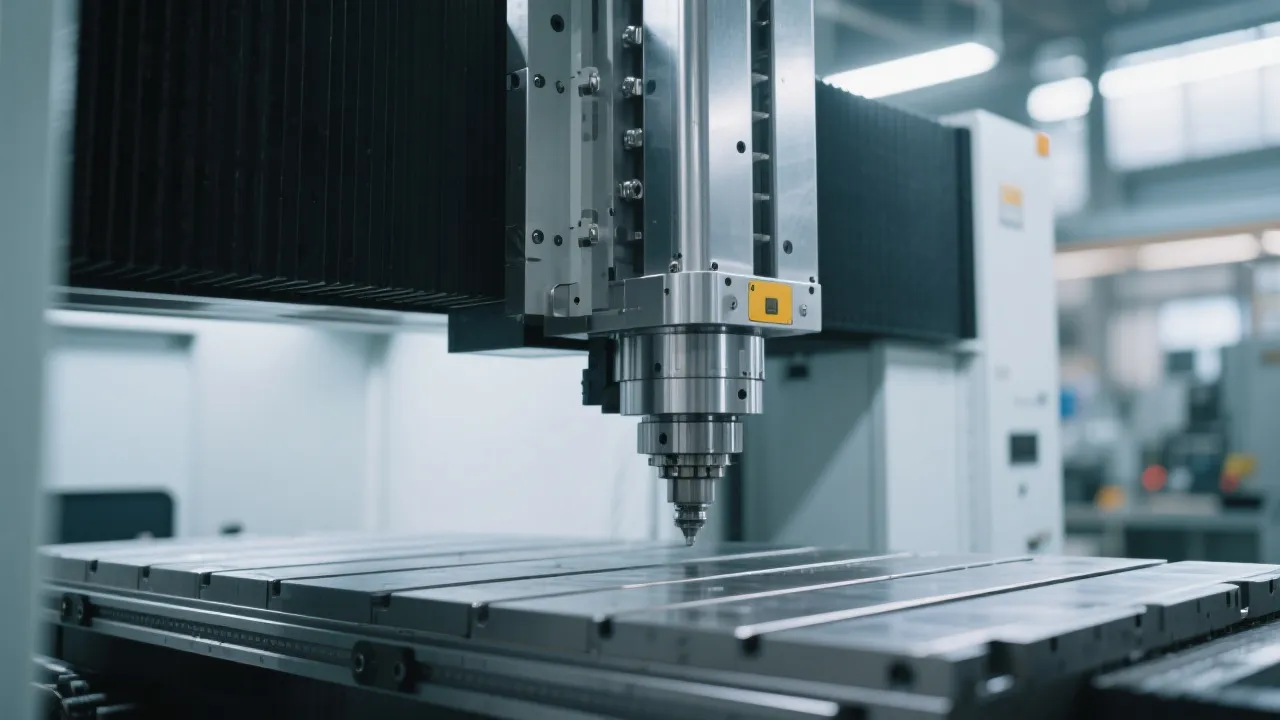
Machine rigidity directly affects deformation, vibration, and thermal stability during cutting. A well-designed rigid structure resists forces induced by cutting, minimizing tool deflection and workpiece displacement to sustain dimensional accuracy within the micron range. The DC1417’s frame is engineered using finite element analysis (FEA) to optimize stiffness-to-weight ratios. Reinforced cross-beams and strategically placed ribbing reduce flexural deformation to below 5 microns under full load, ensuring stable tool paths and surface finish quality that meet demanding ISO 9001 manufacturing standards.
High-precision servo motors and drives constitute the backbone of the machine’s operational accuracy. The DC1417 employs closed-loop servo feedback with encoders boasting sub-micron resolution, enabling adjustments in real-time to correct positional errors. This tight control loop reduces backlash and vibration, critical during variable load cutting conditions in metals like stainless steel, which exhibit higher cutting forces and tendency to work harden. The advanced servo algorithms implemented reduce settling time by up to 20%, improving cycle times while maintaining micrometer-level repeatability.
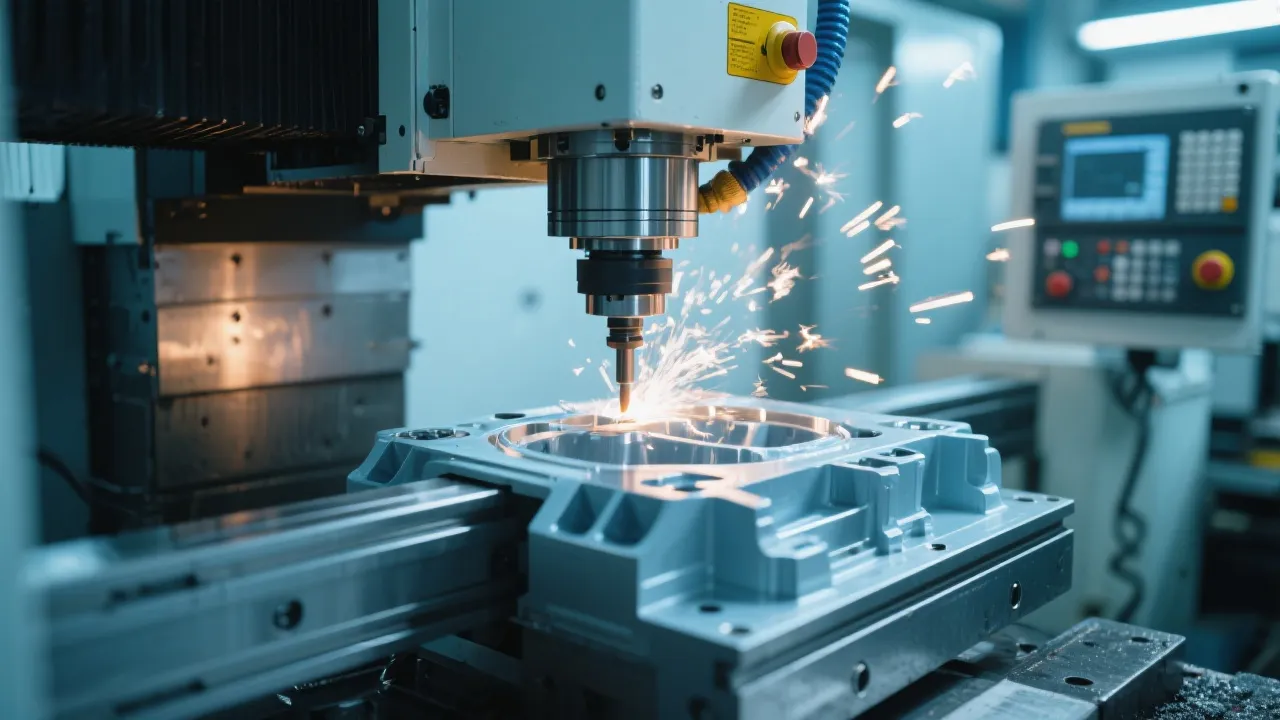
Different materials pose unique challenges to machining precision. Aluminum alloys, with low modulus of elasticity, are prone to chatter and require optimized cutting parameters including lower feed rates and higher spindle speeds to prevent surface damage. Stainless steel’s work-hardening characteristics necessitate stable cutting forces and vibration damping. The DC1417 integrates parameter sets tailored for these materials, combining real-time vibration suppression through adaptive spindle speed control and precise heat dissipation systems to minimize thermal expansion-induced errors within 3 microns.
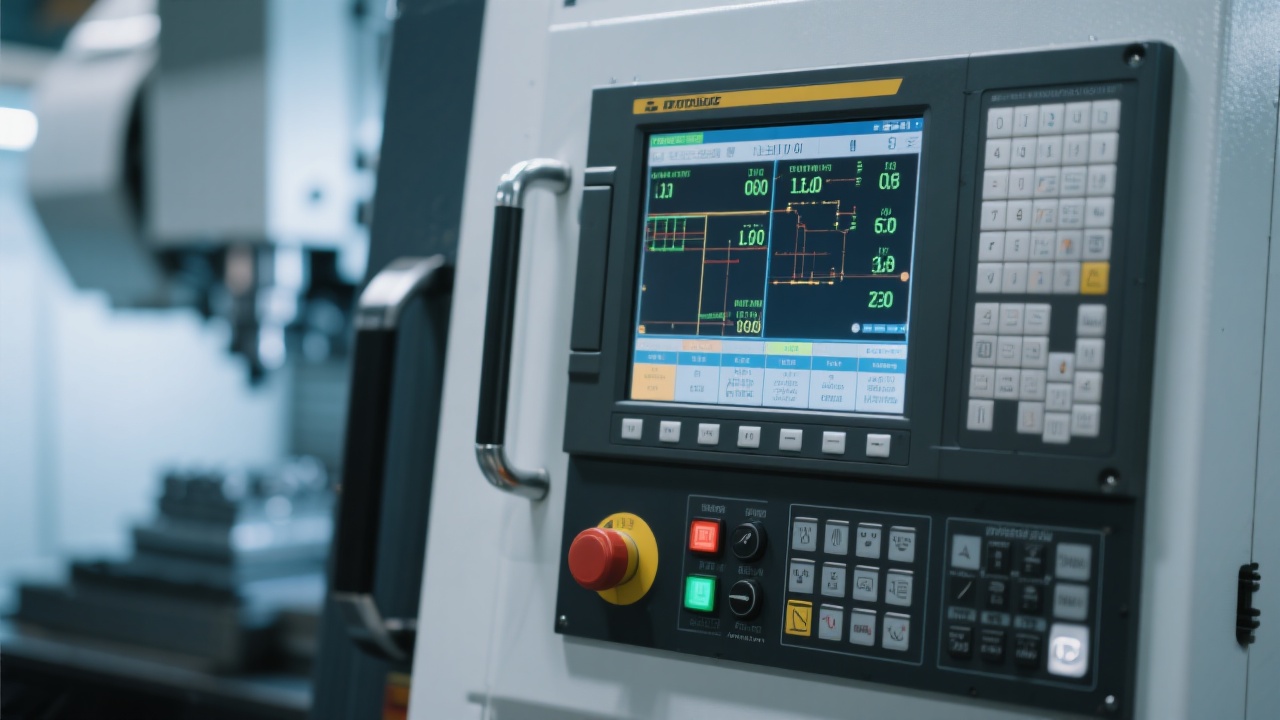
In a recent production run of precision aluminum components, implementing the DC1417’s optimized cutting strategy improved dimensional consistency by 35% over baseline machining parameters. By adjusting feed rates and spindle speed per the machine’s embedded process database, vibration amplitude was reduced by 15%, verified through accelerometer data collected during milling runs. Surface roughness values attained Ra 0.2µm consistently, well within quality control tolerances, demonstrating the practical benefits of machine rigidity and control synergy.
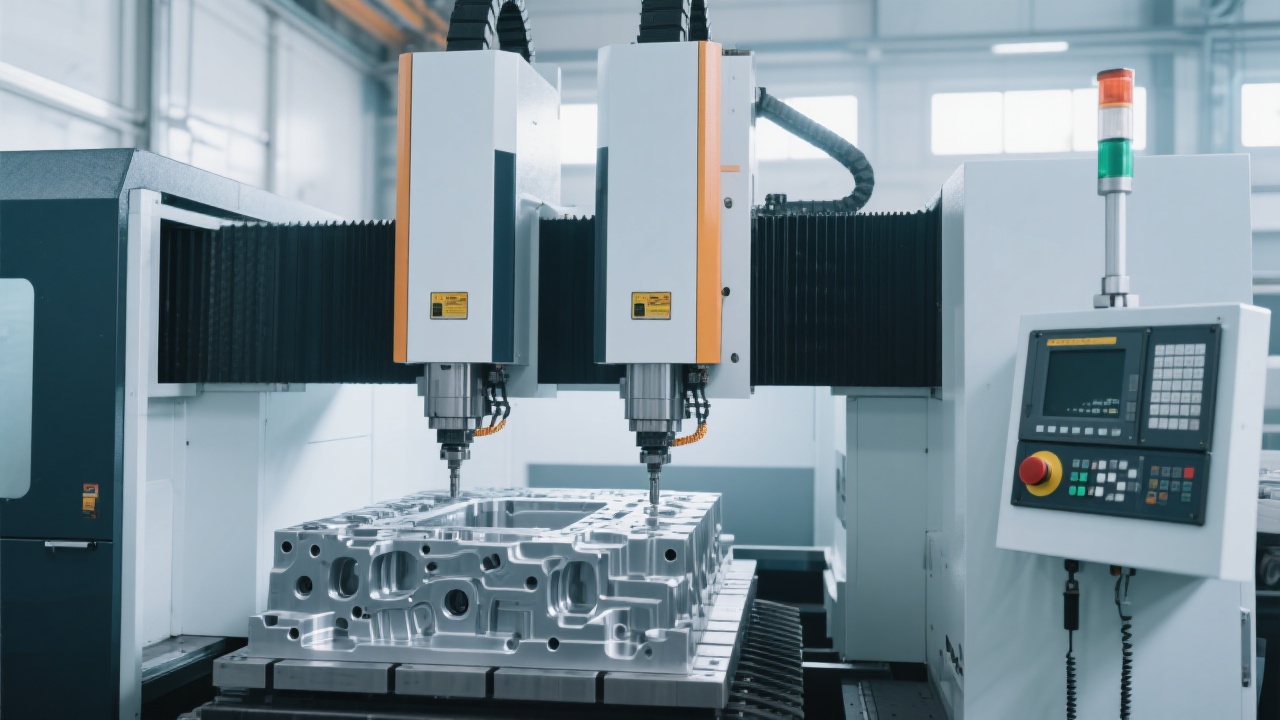
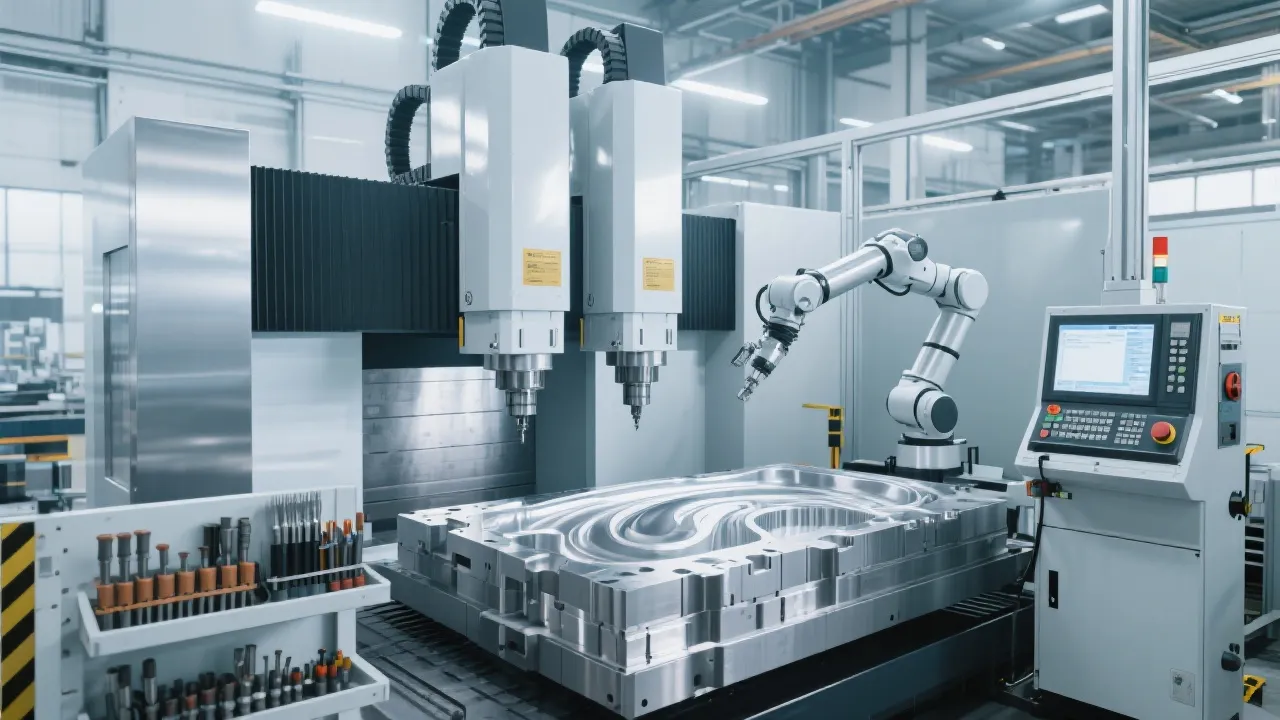
Maintaining micro-level tolerance demands systematic measurement protocols. The DC1417 workflow integrates in-process three-coordinate (CMM) measurement feedback, enabling engineers to detect deviations and recalibrate tool paths promptly—thus establishing a closed-loop quality control system. Real-time statistical process control (SPC) charts confirm that 98% of parts fall within the targeted ±3 micron tolerance band post-optimization, reinforcing production consistency and minimizing scrap.
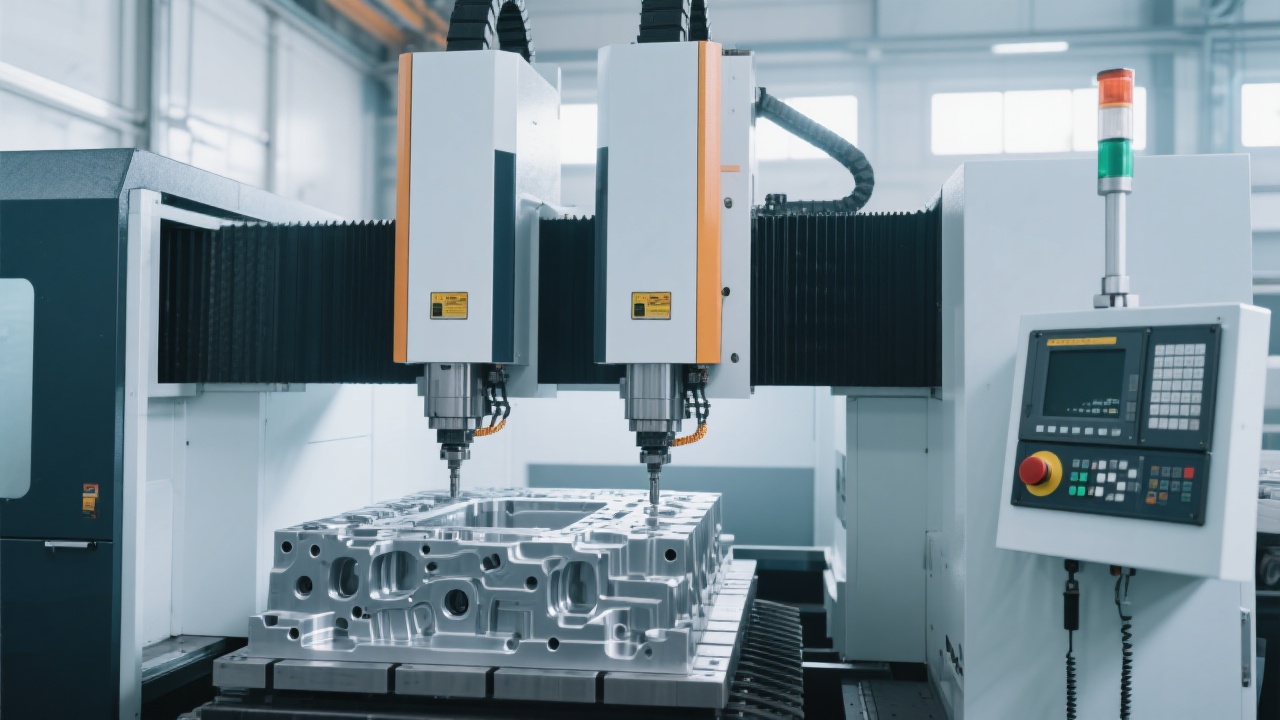
The combination of mechanical design, control intelligence, and measured verification culminates in a dependable, high-performance machining solution geared for the most demanding micro-fabrication requirements in sectors such as aerospace, medical devices, and precision tooling.