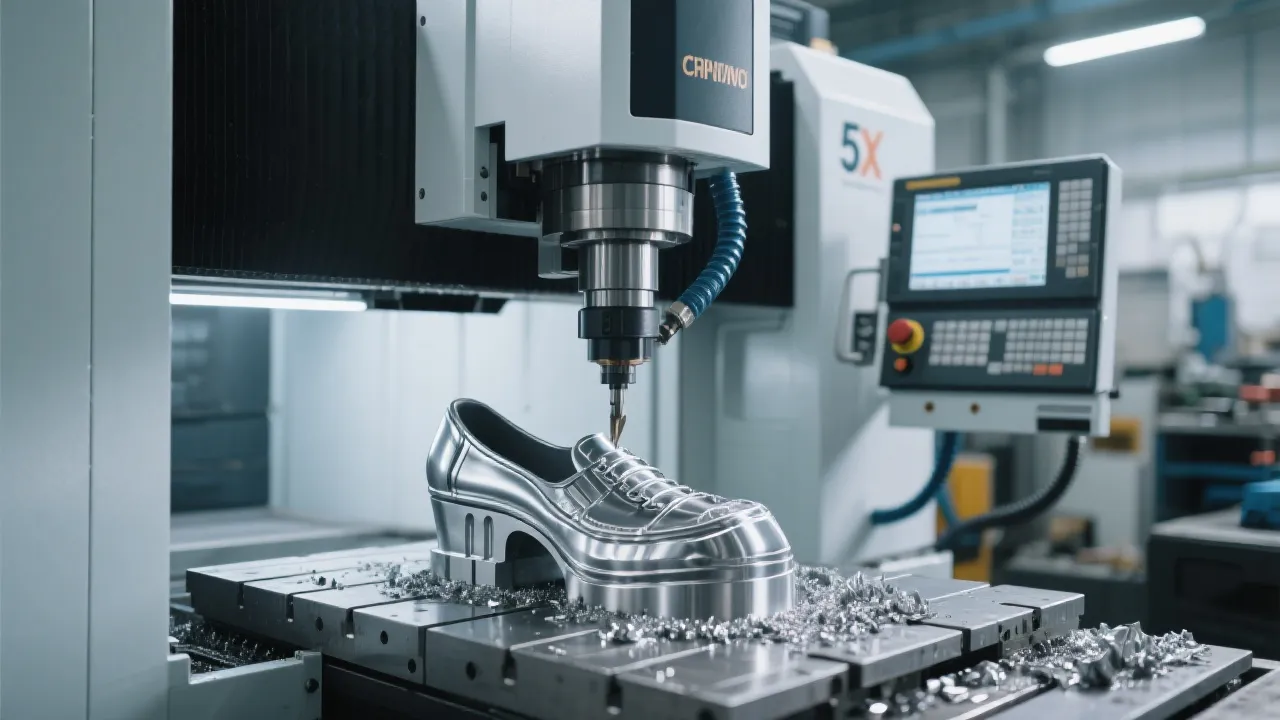
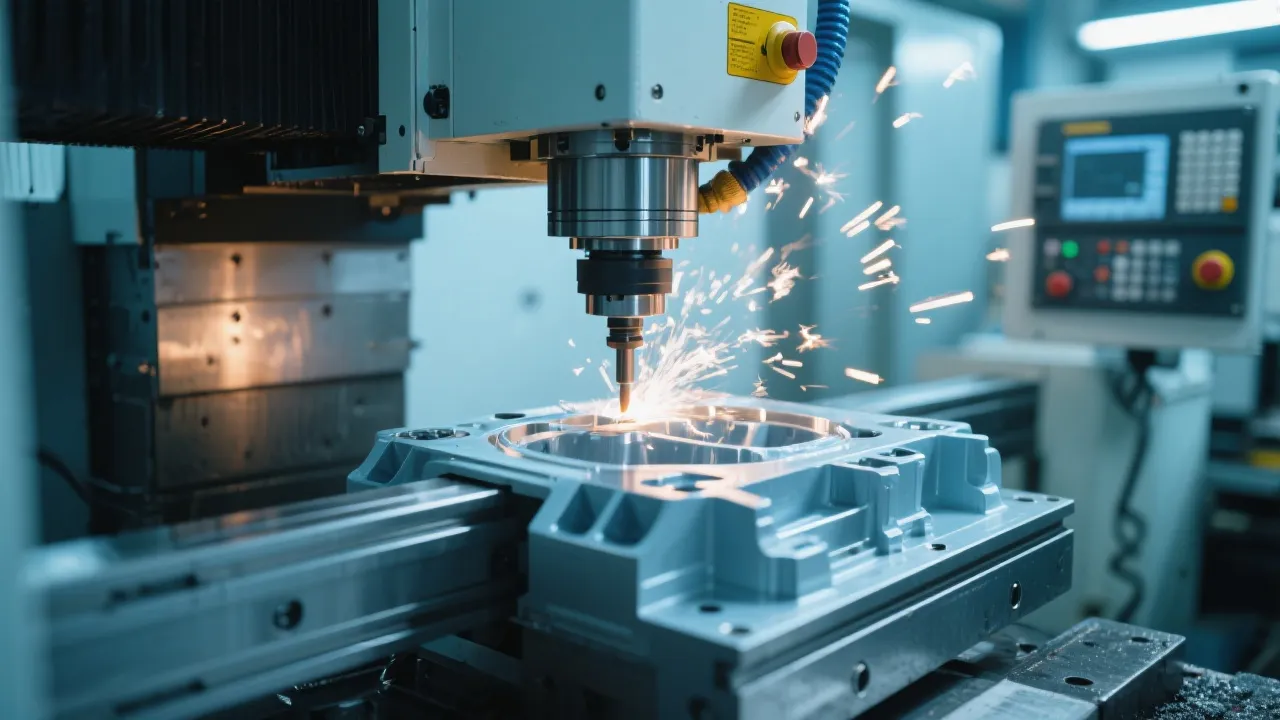
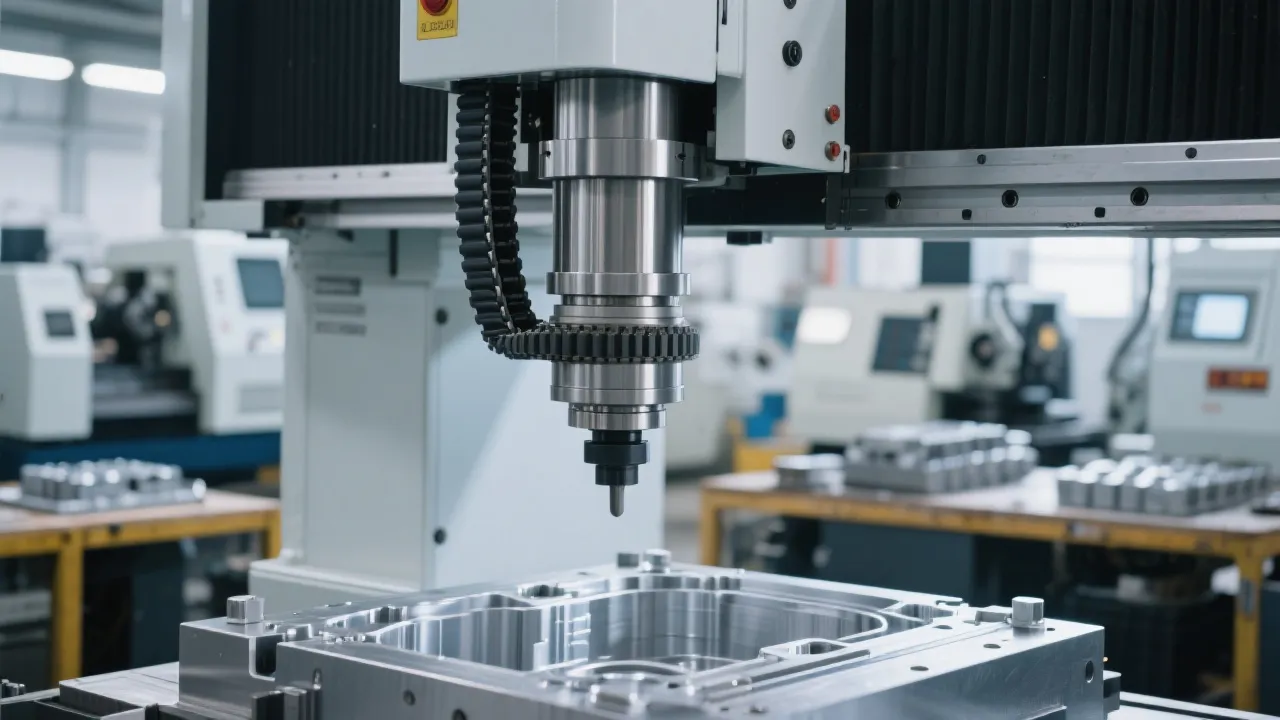
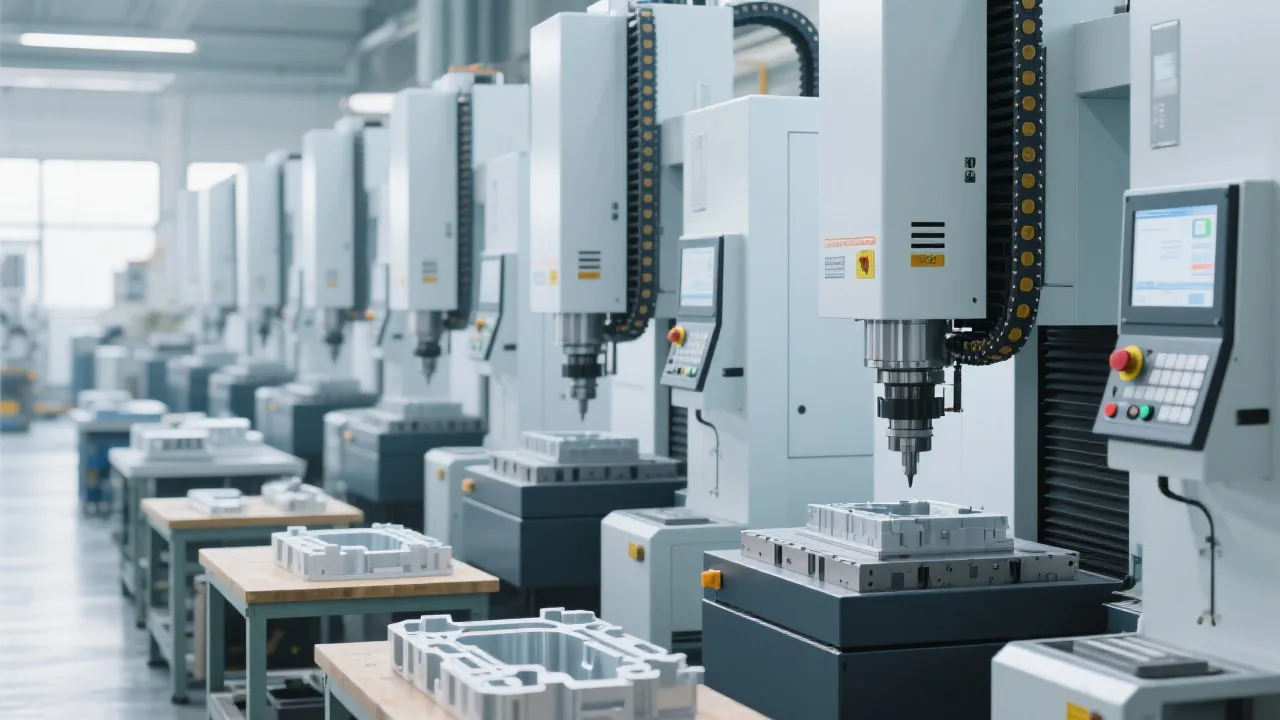
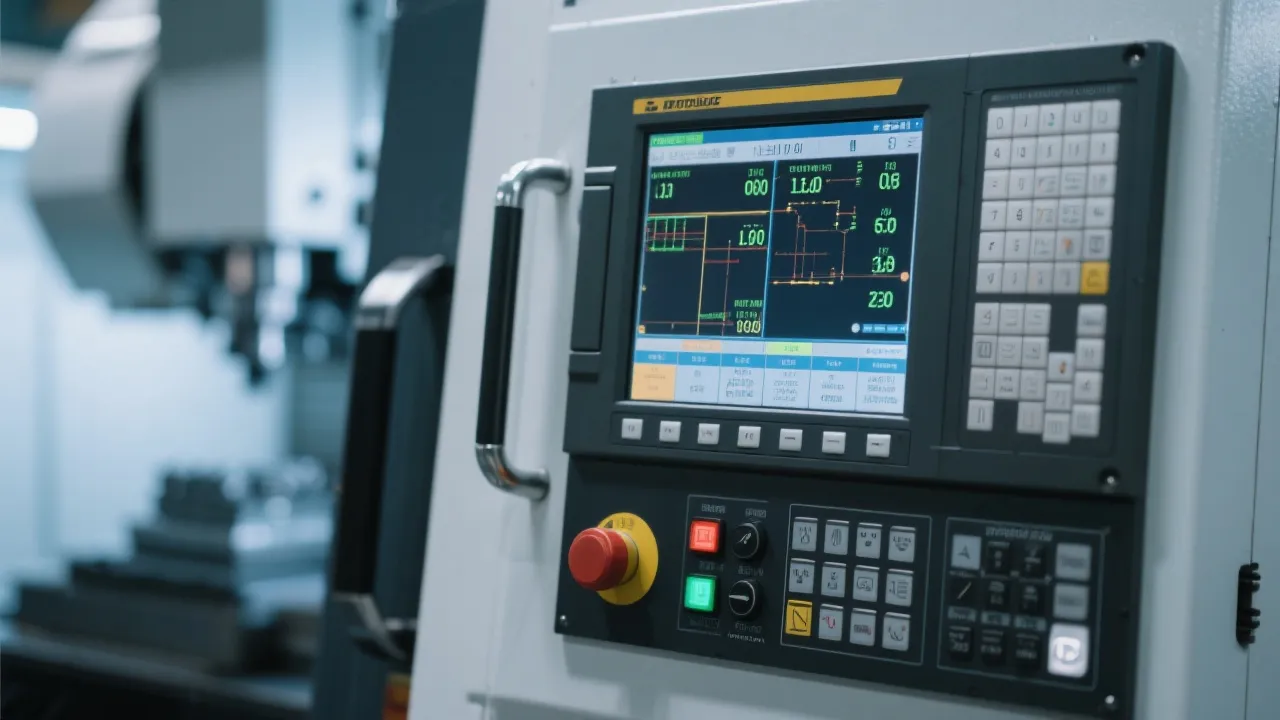
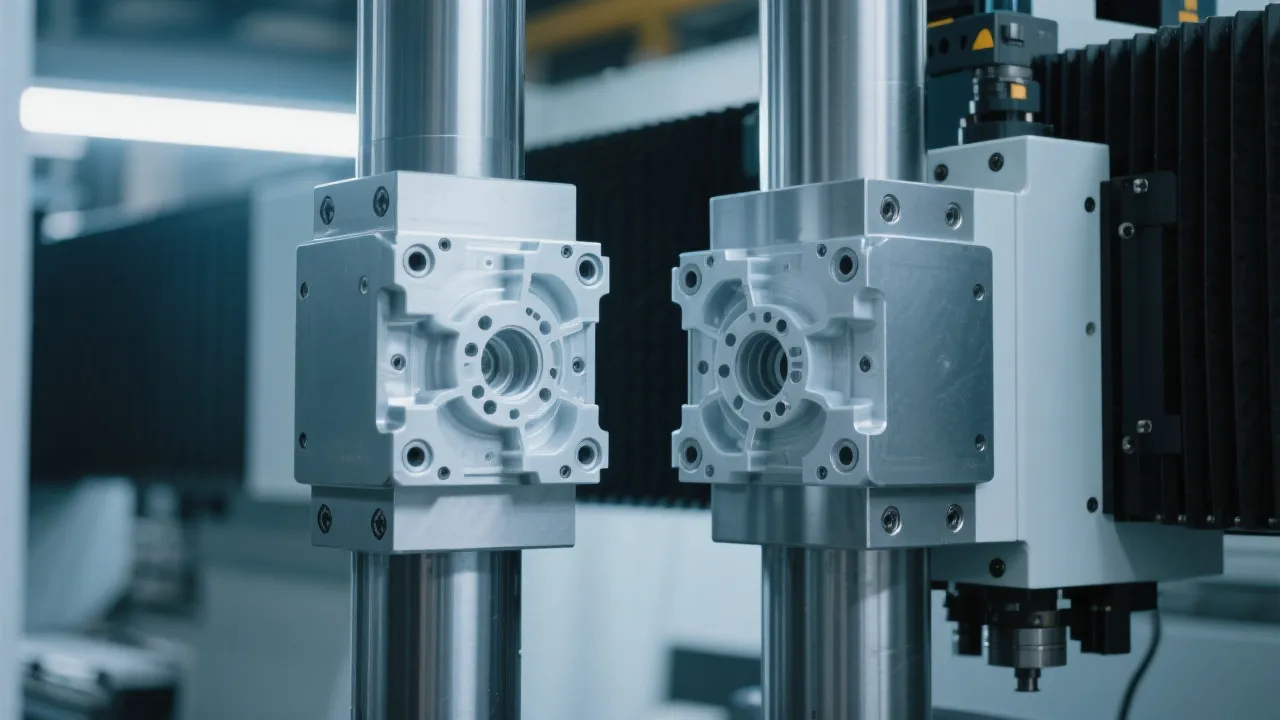
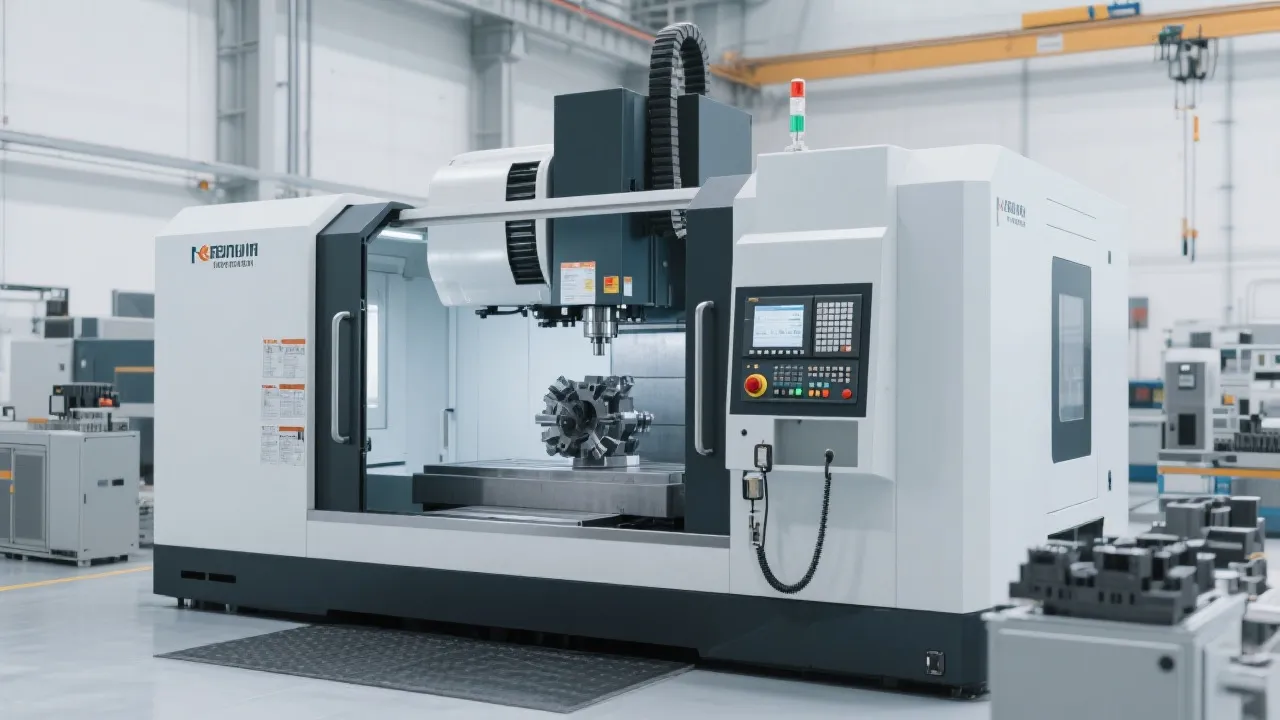
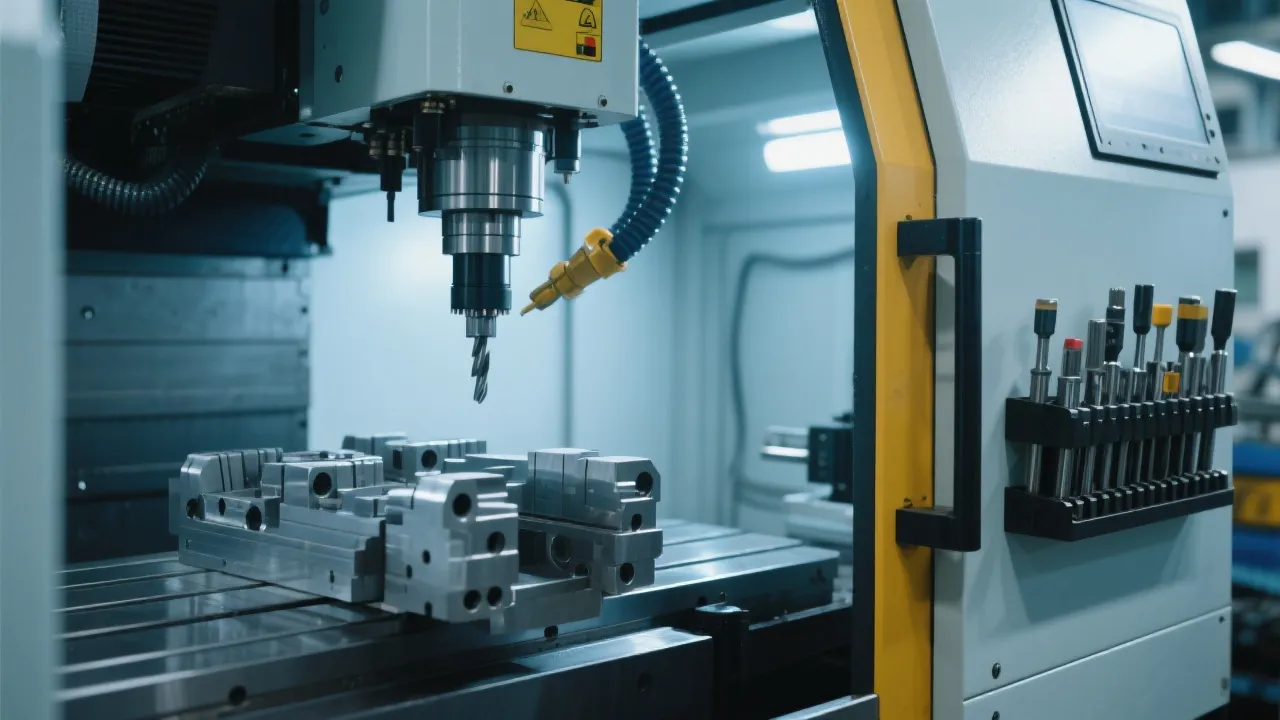
Shoe mold manufacturing stands at the core of high-quality footwear production, demanding both precision and efficiency. The evolution of CNC milling technology has radically transformed this sector, enabling manufacturers to achieve intricate designs with superior repeatability and reduced lead times. This article explores key strategies for optimizing shoe mold CNC milling processes, focusing on material selection, process parameter tuning, precision control, and maintenance practices that ensure sustained productivity and reduced downtime, with practical insights supported by real production cases.
The choice of materials directly impacts machining complexity and product durability. Commonly used materials in shoe mold manufacturing include high-grade aluminum alloys, stainless steels, and advanced polymers. Aluminum alloys such as 7075-T6 offer excellent machinability with tensile strength around 570 MPa, balancing strength with ease of milling, reducing tool wear and cycle time. Stainless steel variants (e.g., 304 or 316) provide enhanced corrosion resistance and durability but require optimized cutting parameters to manage tool wear and prevent thermal deformation.
Understanding the machinability index of selected materials enables process engineers to customize feeds, speeds, and coolant application effectively, minimizing burr formation and enhancing mold finish quality.
Achieving high machining precision is vital for the complex geometries of shoe molds. Key control factors include machine rigidity, thermal stability, and CNC program accuracy. Maintaining positional accuracy within ±10 microns is a common industry benchmark, achievable through:
Additionally, coordinate measuring machines (CMM) and in-process probing systems facilitate real-time dimensional verification, reducing quality deviations and rework rates.
The synergy between cutting tool selection and parameter optimization determines throughput efficiency and surface integrity. For shoe mold CNC milling, typical tooling includes end mills with diameters between 3 to 12 mm, ball-nose mills for complex curvatures, and high-feed cutters for roughing operations.
Key parameter recommendations include:
| Parameter | Recommended Range | Notes |
|---|---|---|
| Spindle Speed (rpm) | 6000 - 15000 | Adapted to material hardness |
| Feed Rate (mm/min) | 500 - 2000 | Higher rates in roughing, lower in finishing |
| Depth of Cut (mm) | 0.1 - 0.5 (finishing) | Shallow passes ensure dimensional accuracy |
Implementing adaptive toolpath strategies combined with advanced CNC programming protocols (such as dynamic chip thinning and trochoidal milling) helps prolong tool life while maintaining tight tolerances.
Streamlining shoe mold production requires an integrated approach, combining CAD/CAM software capabilities with precise machine tool execution. A notable case from the industry demonstrated a 15% increase in production efficiency and a 20% reduction in scrap rates by integrating process simulation and machine monitoring systems.
Key workflow enhancements include:
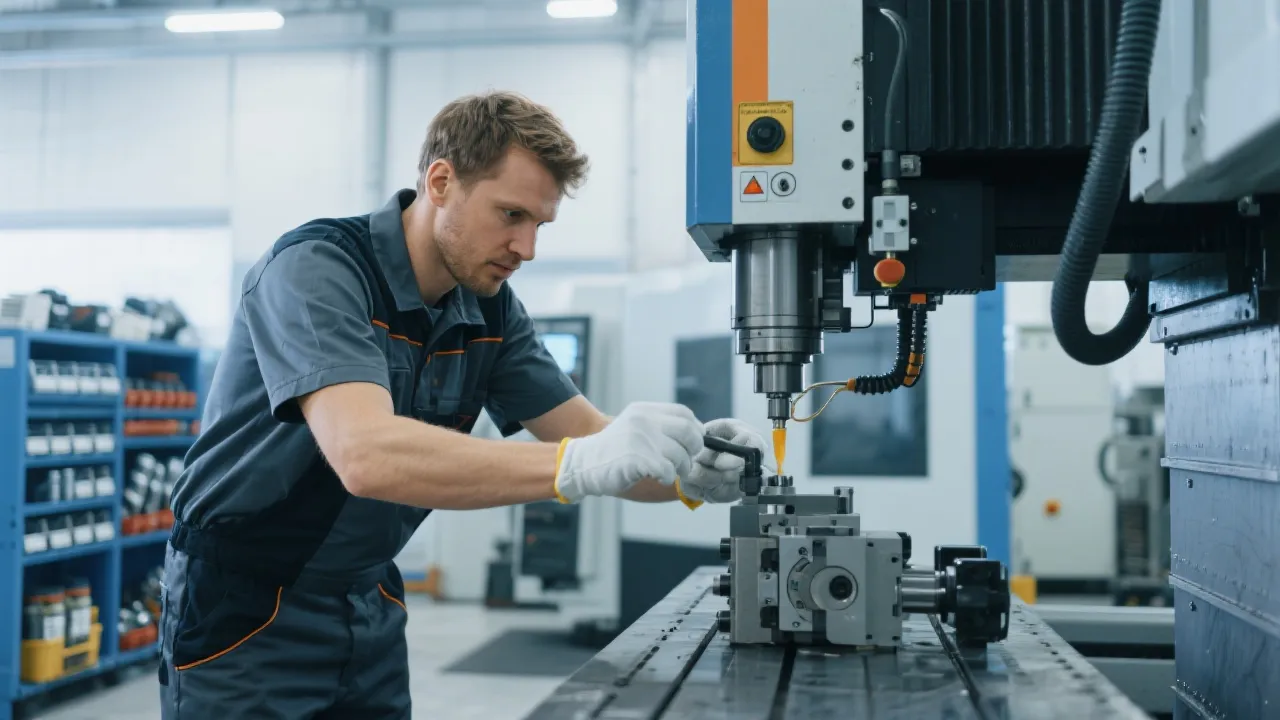
Ensuring reliable operation of CNC milling equipment for shoe mold manufacturing necessitates a robust maintenance plan. Regularly scheduled inspections focusing on spindle bearings, lubrication systems, and CNC control calibration are critical. The use of predictive maintenance tools, such as vibration analysis and thermal imaging, can preemptively detect anomalies and reduce unplanned downtime.
For troubleshooting, common issues like tool deflection, spindle overheating, or positional drift should be addressed promptly by:
Discover how Kaibo CNC Milling Solutions can elevate your shoe mold production with advanced process optimization and precision control methodologies tailored for your manufacturing needs.