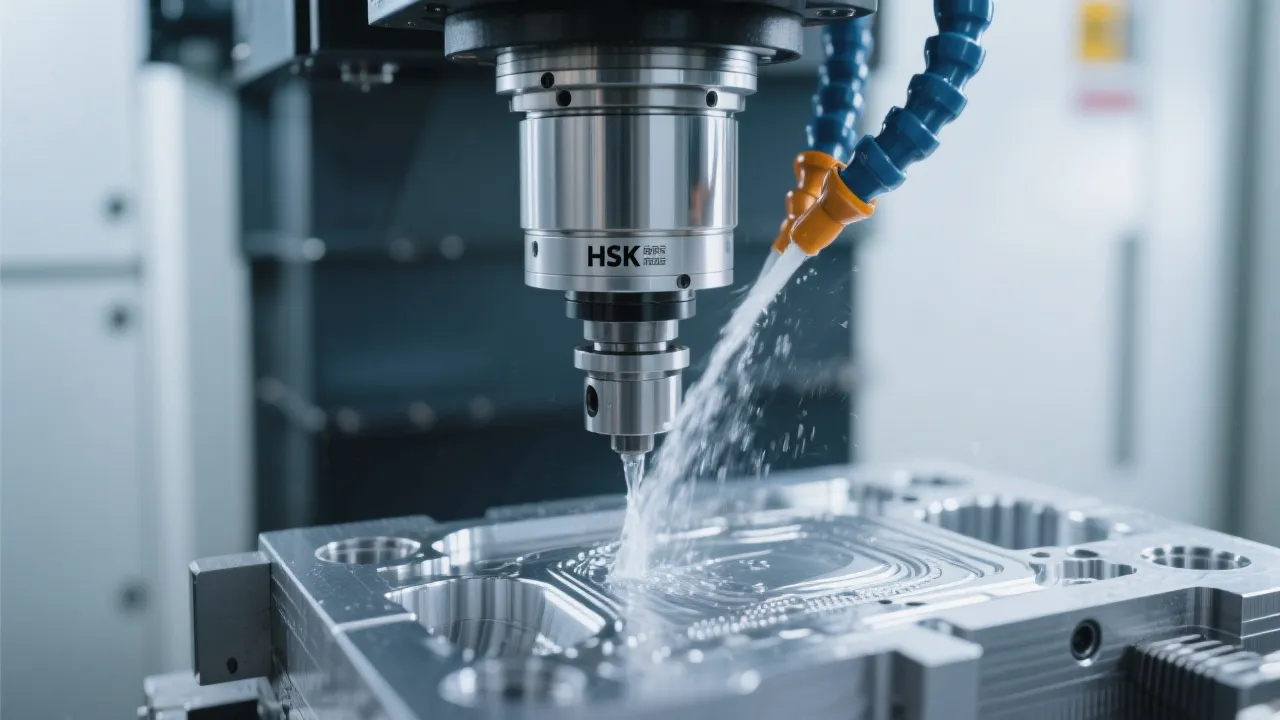
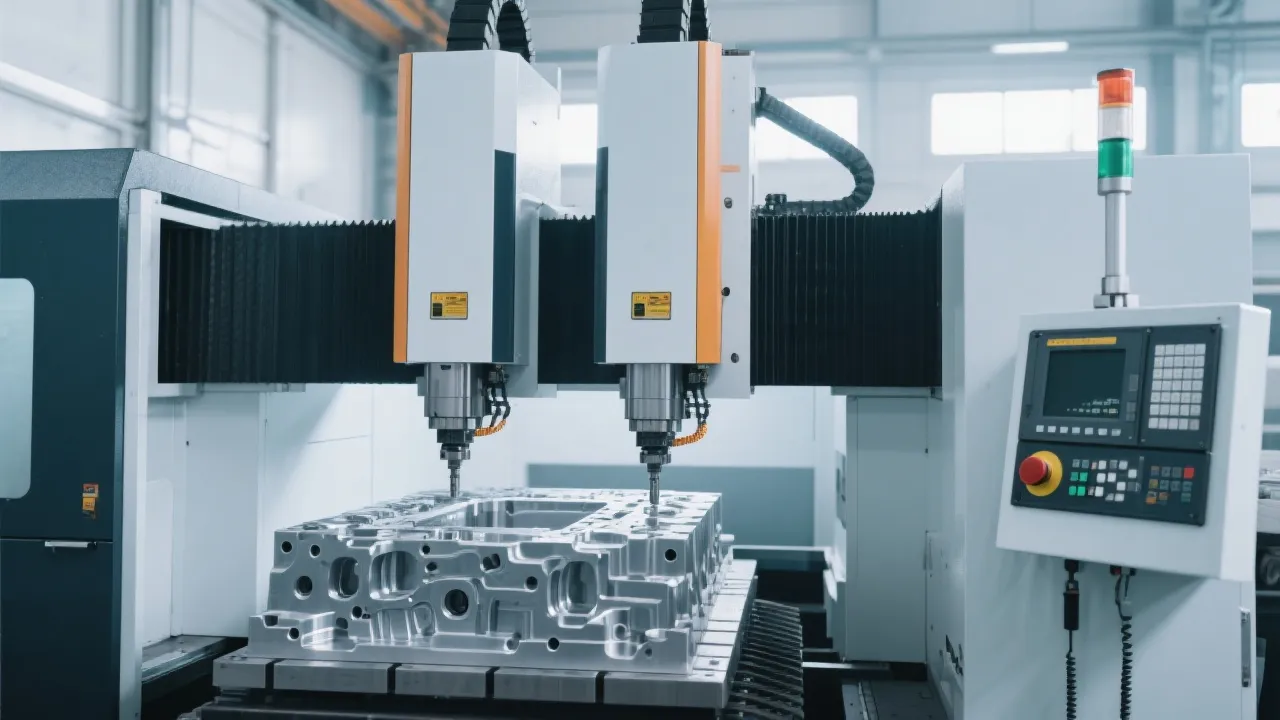
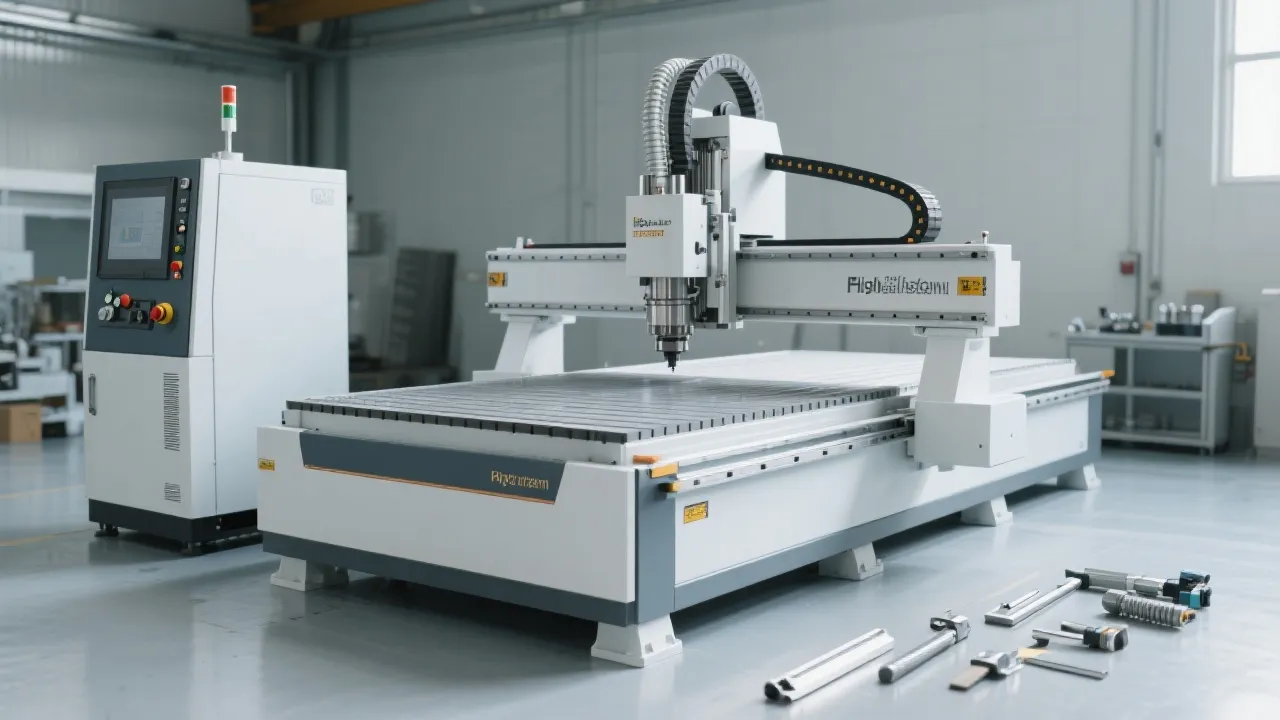
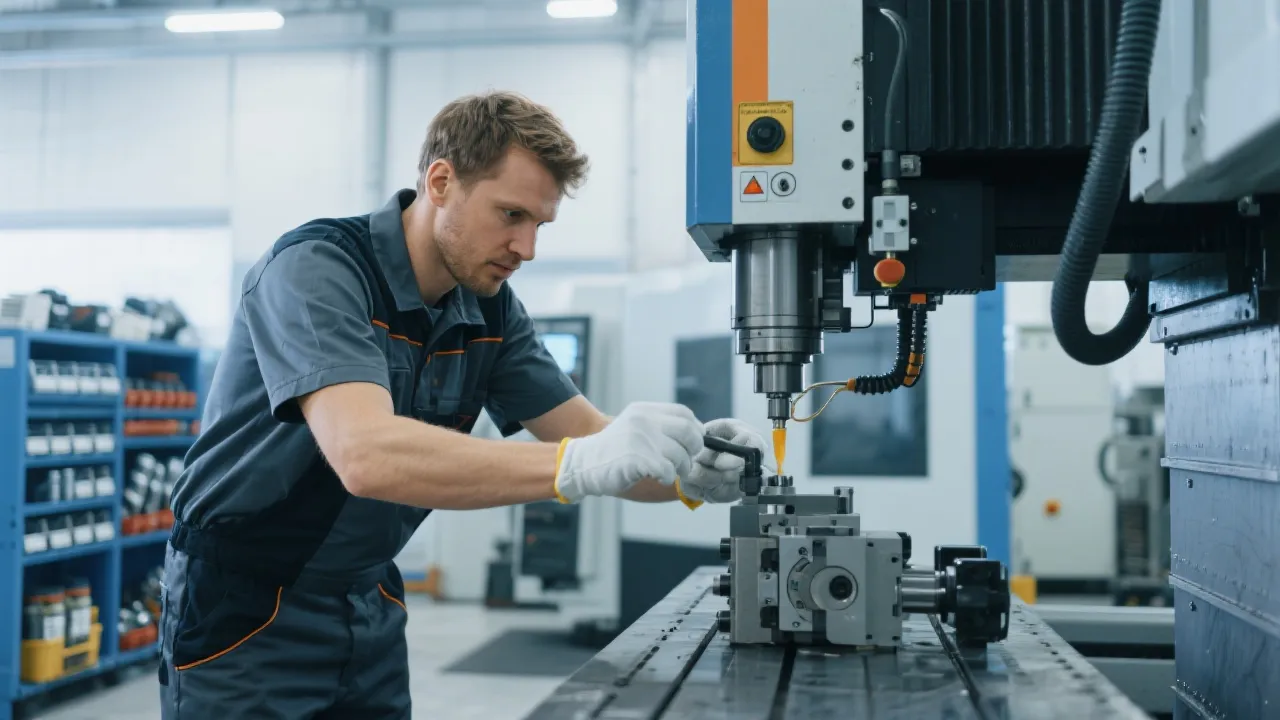
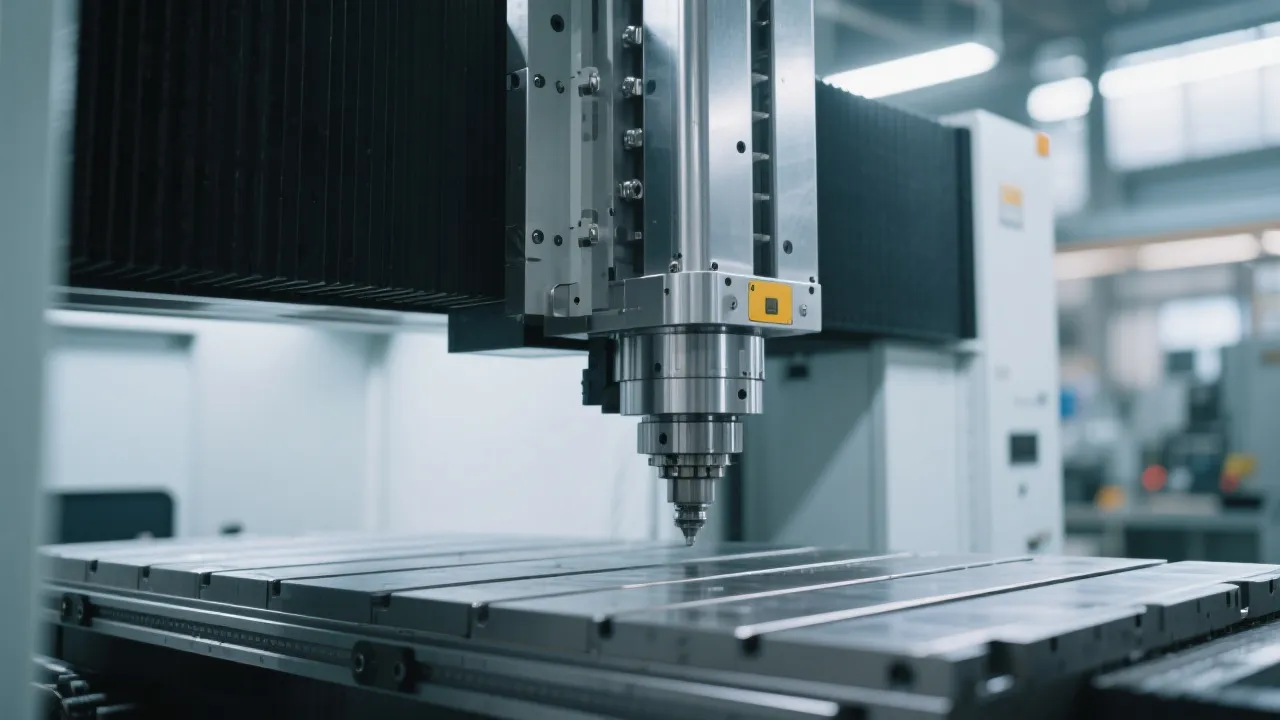
CNC engraving and milling machines are essential tools in modern precision manufacturing, offering highly accurate and repeatable processing capabilities. Unlike traditional machining centers or standalone engraving devices, these machines combine complex control systems with specialized tooling to perform detailed material removal tasks on a variety of substrates.
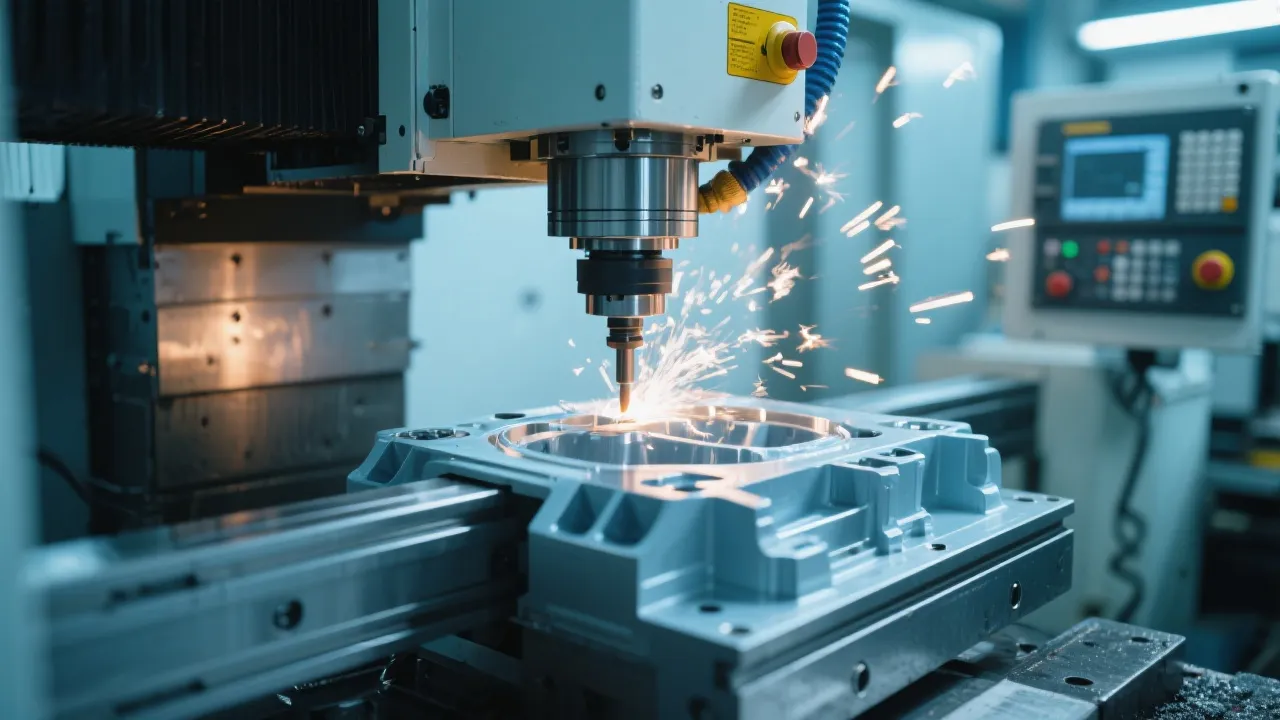
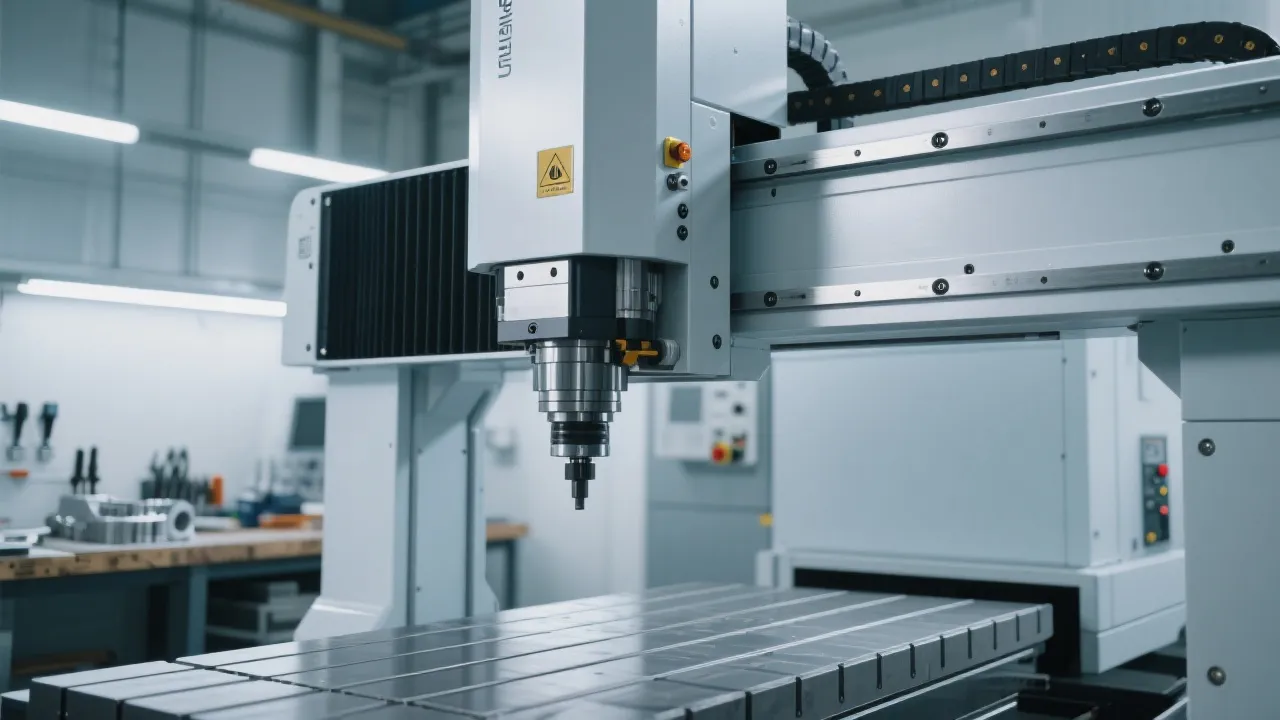
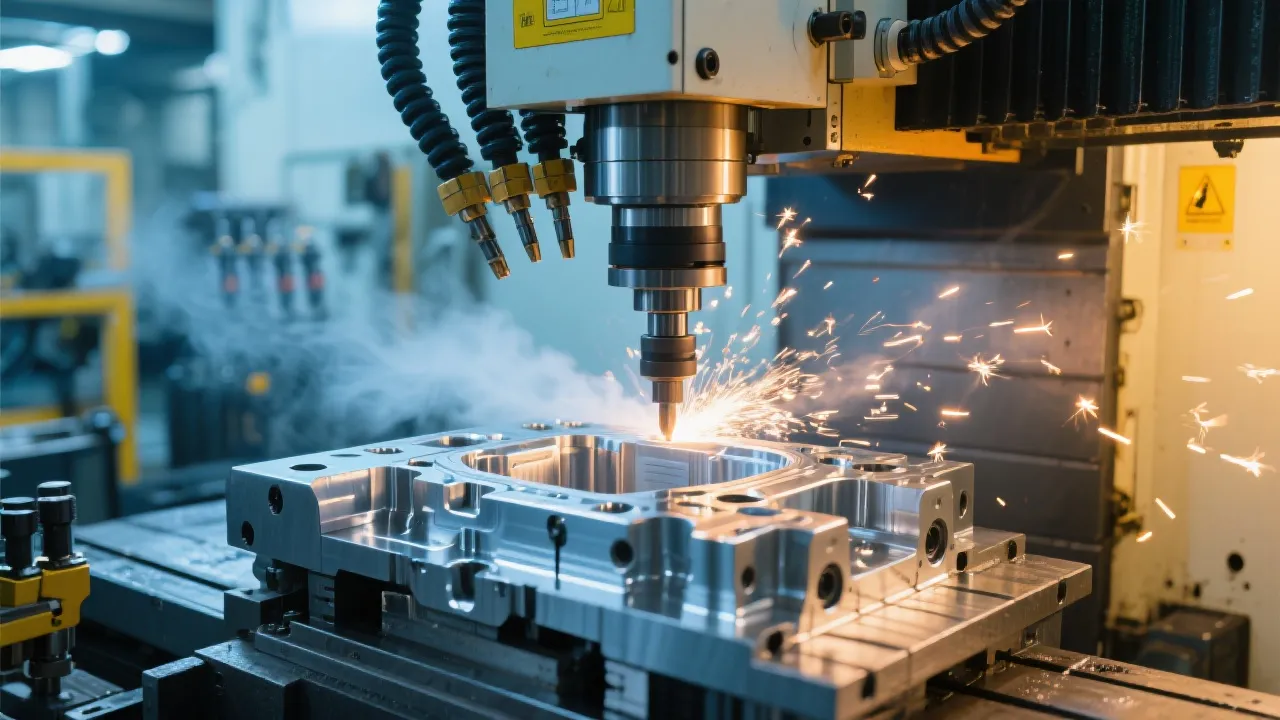
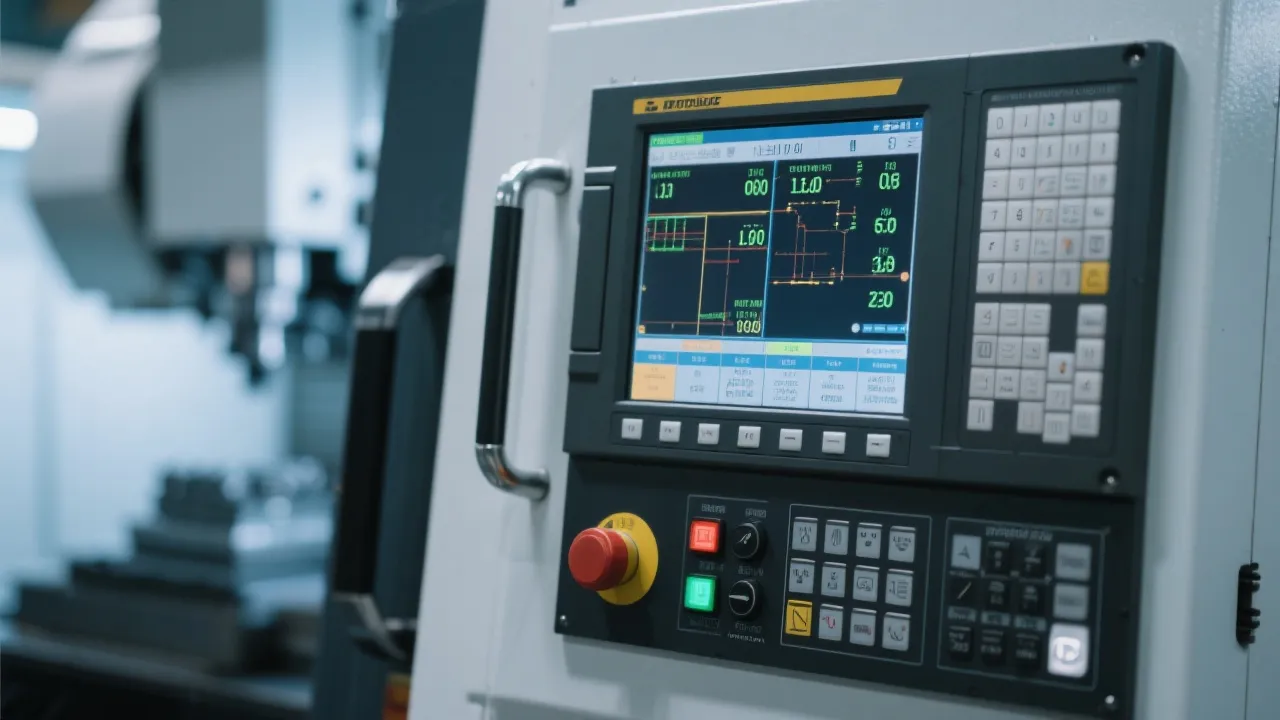
At the heart of a CNC engraving and milling machine lies the computer numerical control (CNC) system that precisely directs the movement of cutting tools along multiple axes—typically 3, 4, or 5 axes, depending on machine configuration. This ensures intricate patterns, engravings, and milling operations can be executed with micron-level precision. The process involves the removal of material from a workpiece through controlled cutting, allowing for complex shapes and fine surface finishes unattainable by manual methods.
These machines find extensive use across industries such as electronics, aerospace, automotive, and custom manufacturing. Common applications include:
While CNC engraving and milling machines excel in detailed and precise operations, their effectiveness is bounded by certain factors:
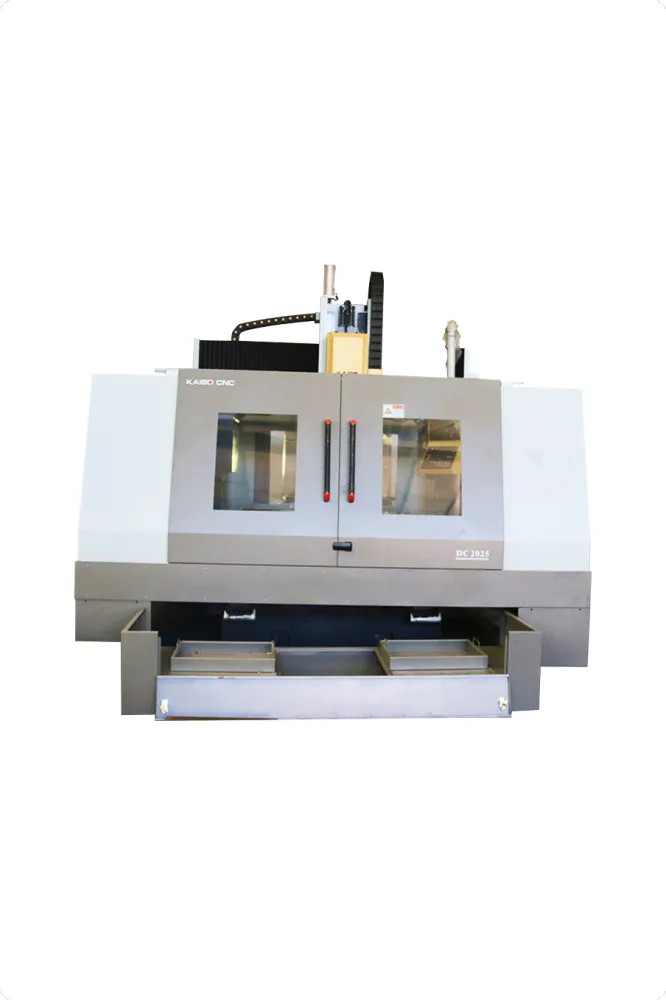
Selecting a suitable CNC engraving and milling machine involves evaluating processing requirements, desired precision, workpiece materials, and production volume. Leading manufacturers, such as Ningbo Kaibo CNC Machinery Co., Ltd., provide various configurations including 3, 4, and 5-axis vertical machining centers and customized solutions tailored to specific industrial needs.
Their expertise in research and development ensures machines are engineered with robust quality, durability, and operational efficiency — backed by comprehensive after-sales support networks worldwide.
"Ningbo Kaibo CNC Machinery’s advanced engraving and milling solutions empower manufacturing professionals to innovate with precision, reliability, and efficiency."