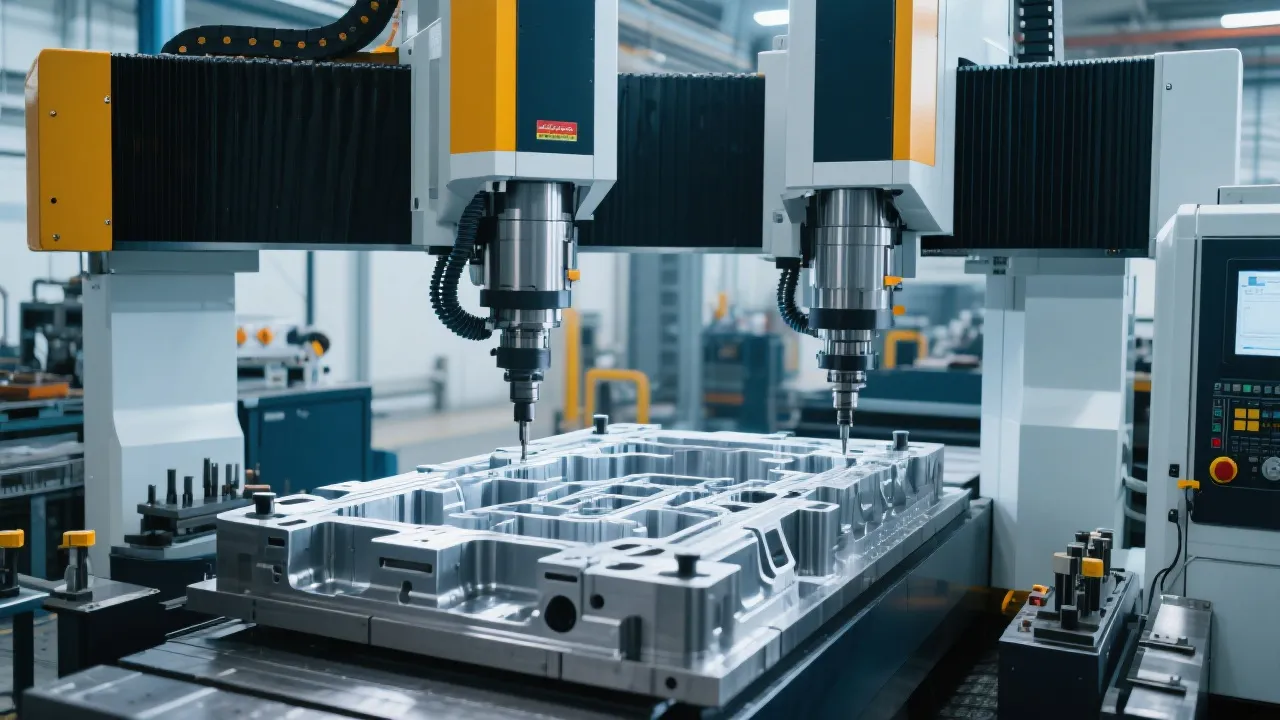
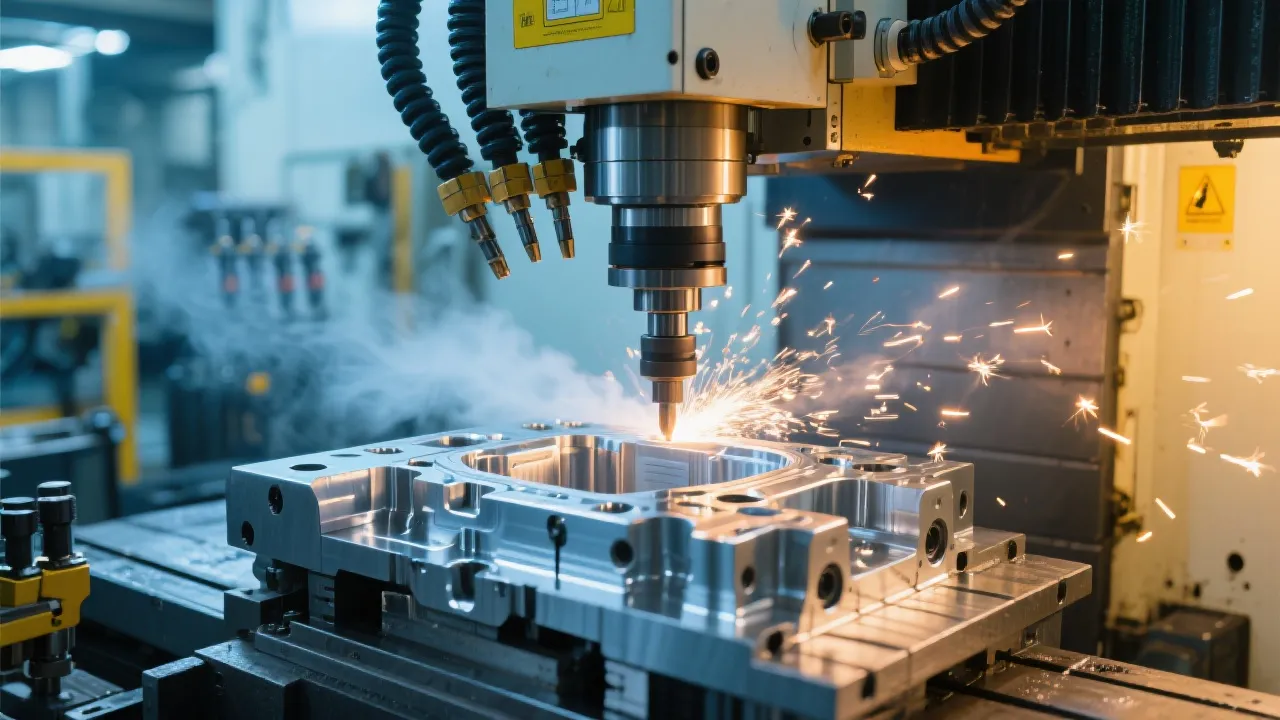
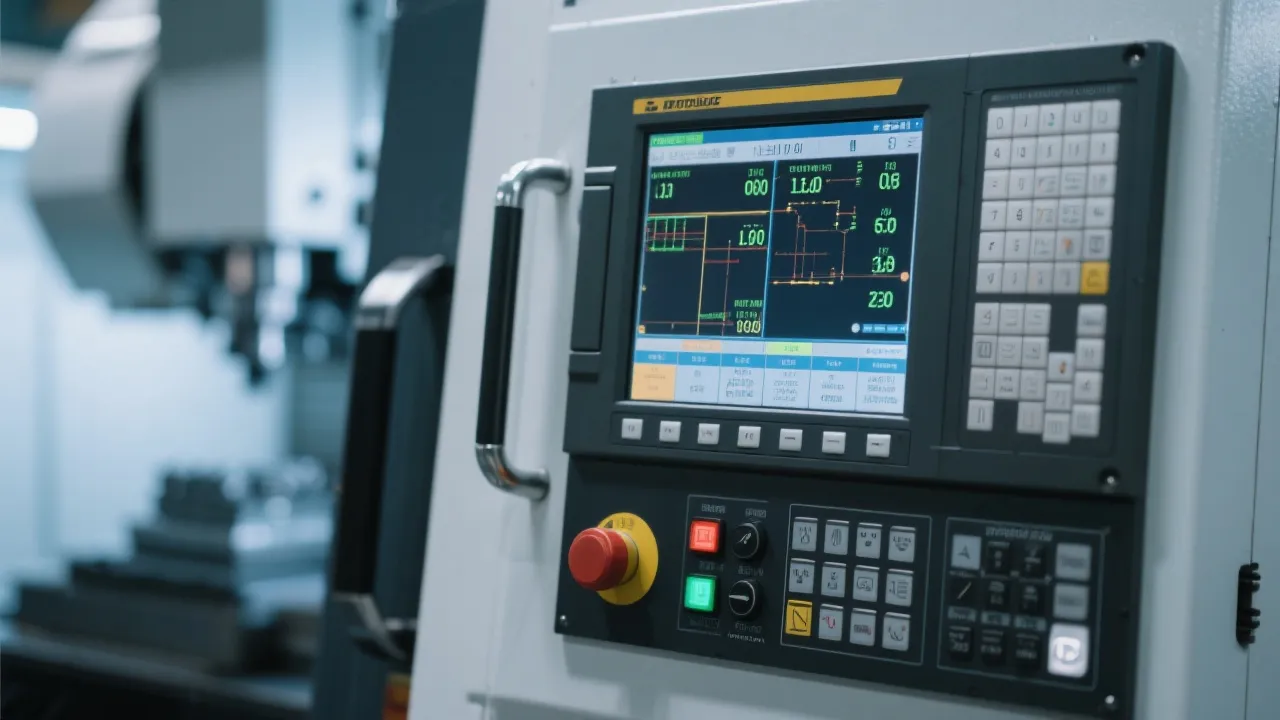
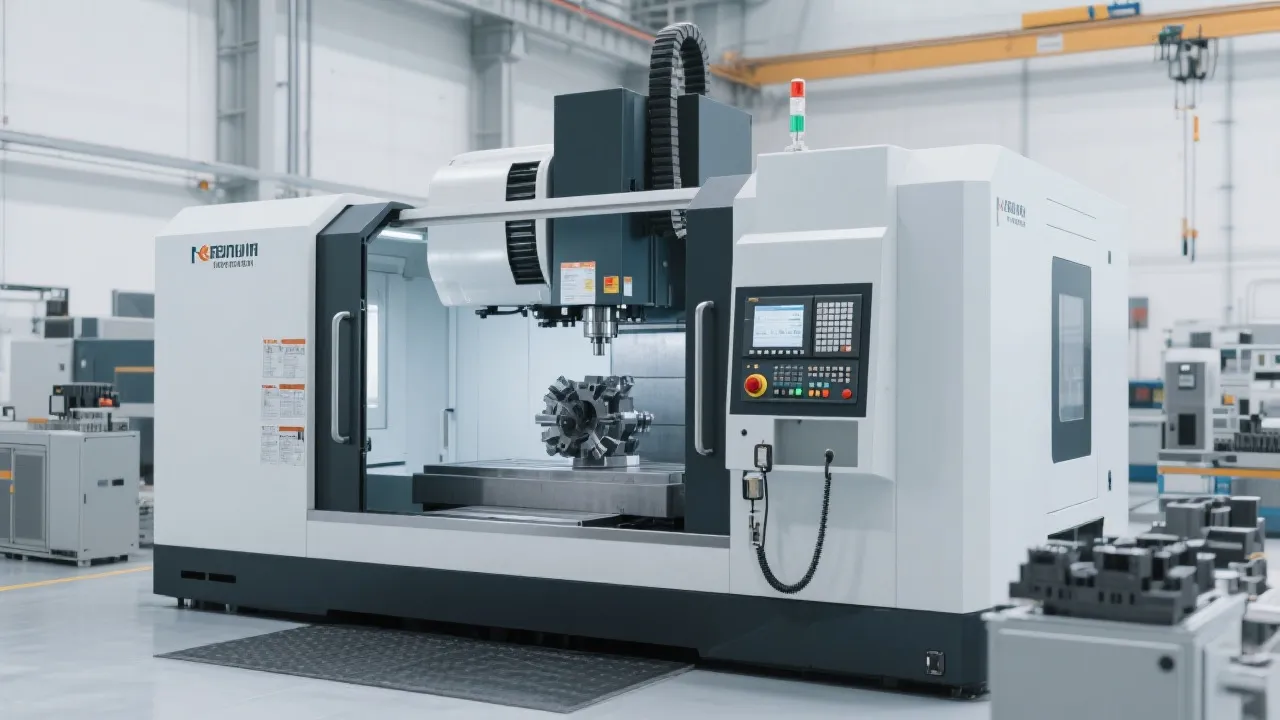
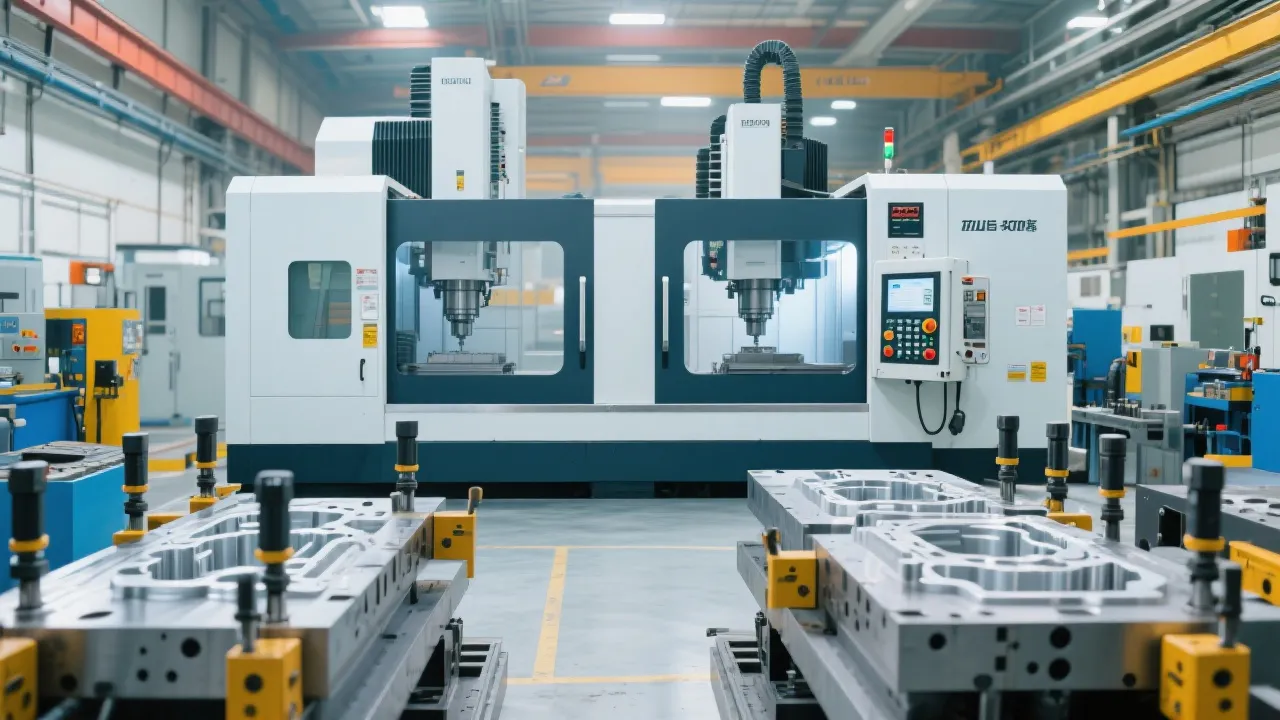
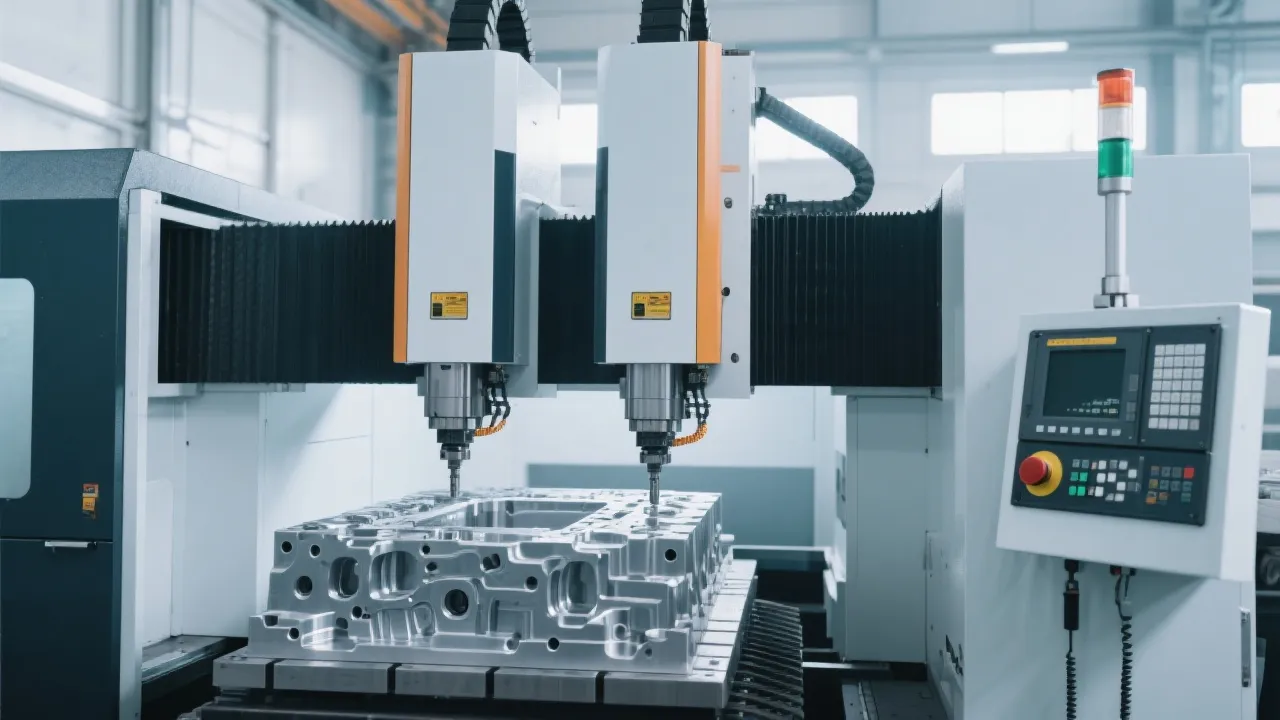
CNC engraving milling machines are advanced computer-controlled tools designed for precise and efficient material shaping. At Ningbo Kaibo CNC Machinery Co., Ltd., these machines represent a core segment within our portfolio, renowned for reliability and technological innovation in 3, 4, and 5-axis machining operations. Understanding their fundamental purpose, typical applications, and machining limitations is essential for manufacturing professionals aiming to optimize production quality and versatility.
A CNC engraving milling machine combines computer numerical control technology with multi-axis milling to perform intricate carving, cutting, and shaping on various materials. The designation "3/4/5-axis" refers to the machine’s ability to move the cutting tool or the workpiece along three to five different axes, enabling complex geometries and fine detail work.
CNC engraving milling machines are widely applied in industries such as automotive, aerospace, electronics, woodworking, and customized manufacturing. Their adaptability to diverse materials and shapes makes them indispensable in both prototyping and full-scale production.
| Material Type | Typical Applications |
|---|---|
| Metal (Aluminum, Steel, Titanium) | Precision parts, aerospace components, molds |
| Wood and Plastics | Engraving, decorative panels, signage |
| Composites and Other Materials | Prototyping, custom parts, artistic carving |
While CNC engraving milling machines offer extensive capabilities, certain limitations exist to ensure optimal performance and product quality:
Established in 1994 and a leader in standard-setting for CNC engraving milling machines, Ningbo Kaibo CNC Machinery combines over two decades of expertise with cutting-edge innovation. Our high-precision 3/4/5-axis machining centers are engineered to match diverse industry demands and deliver consistent, reliable results.
With a strong global presence and a commitment to quality, our solutions empower manufacturers to efficiently tackle a wide range of processing tasks. Partnering with us means leveraging trusted technology alongside dedicated support tailored to your production goals.